
After Corvette-Class Warships, Turkey Eyes Drone Facility In Pakistan; Signals Strong Backing After Op Sindoor
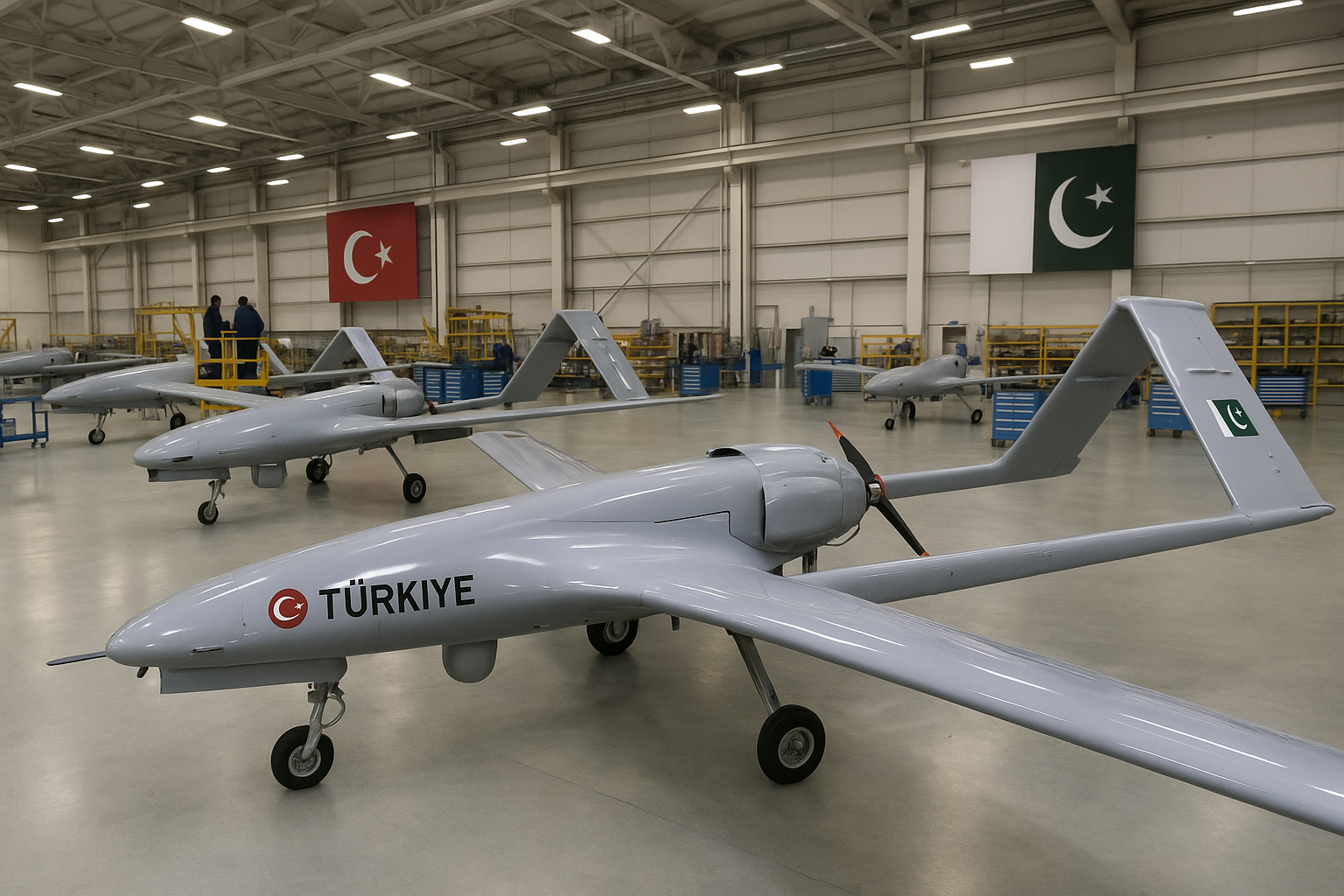
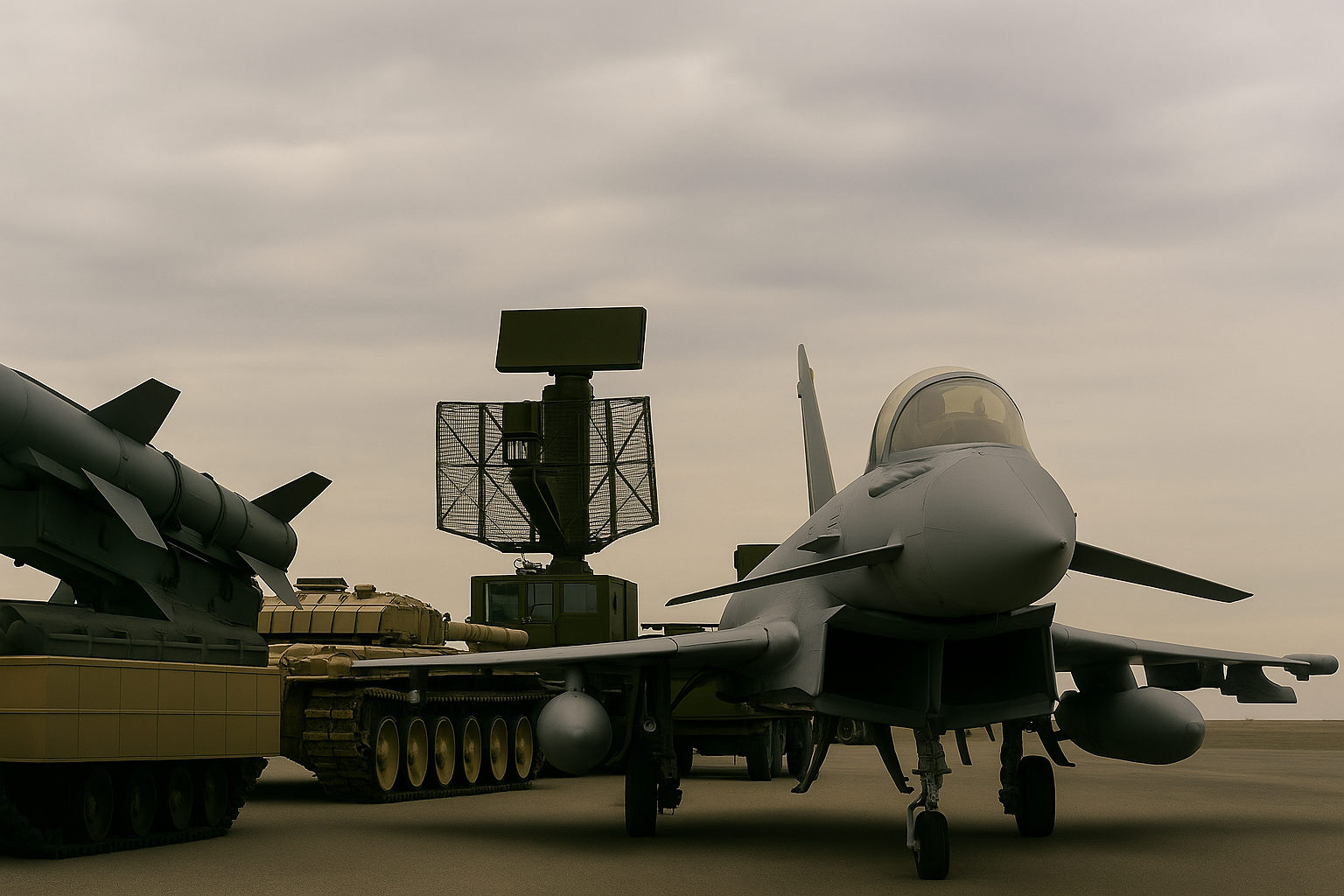
Turkey plans to set up a facility in Pakistan to assemble combat drones, part of Ankara’s drive to boost its global defense industry. Image courtesy: AI-generated picture via Sora

Remember how Turkey offered an unambiguous support to Pakistan during and after the conflict with India, in the aftermath of the deadly April 22 Pahalgam terror attack. Several media reports then also suggested that Turkish cargo planes carried military supplies to Pakistan, although this was denied by Turkish officials.
Now, in a move that clearly signals that Ankara wants to expands its partnership with Islambad, Turkey is planning to establish a combat drone assembly facility inside Pakistan. This would marking one of Ankara’s most significant military-industrial forays into South Asia.
The project, which involves exporting and assembling stealth and long-endurance drones, has reportedly advanced rapidly since October 2025, according to Turkish officials familiar with the discussions. Interestingly, the move also comes at a time when Pakistan is rebuilding its military posture following international scrutiny after Operation Sindoor.
Turkey drone plant in Pakistan: How does it boost Ankara’s defence ambitions?
The planned drone assembly facility is part of President Recep Tayyip Erdoğan’s push to expand Turkey’s defence-industrial influence, especially across the Middle East, South Asia, and emerging markets, according to a report in Bloomberg. Although Ankara’s Defence Ministry declined to comment, the progress of talks indicates Turkey’s intent to cement Pakistan as a long-term defence partner.
Turkey has already concluded major defence deals this year, including selling fighter aircraft to Indonesia and pursuing expanded arms supplies to Saudi Arabia and Syria. Its defence exports have surged 30% in the first 11 months, reaching a record $7.5 billion, according to Haluk Gorgun, head of Turkey’s defence industry presidency.
By deepening military cooperation with Pakistan, Ankara aims to showcase its Bayraktar-class drones, stealth variants, and new unmanned systems as alternatives to Western and Chinese platforms. With this, Pakistan could also gain easy access to the UAVs which it could eventually use to intensify terror activities.
What does Pakistan gain from drone partnership with Turkey?
Pakistan stands to benefit from advanced drone technology, potential co-production rights, and enhanced maintenance and training capabilities. The two countries already share long-standing defence ties, Turkey is producing MILGEM corvettes for the Pakistan Navy and has modernised dozens of Pakistan’s F-16 fighter jets.
Ankara is now reportedly encouraging Islamabad to join its ambitious KAAN fifth-generation fighter jet programme, hinting at even deeper collaboration in high-end aerospace technology.
The timing is notable too as the talks come after a four-day India–Pakistan confrontation in May 2025 that ended in a ceasefire, as well as Pakistan’s continued tensions with Afghanistan over cross-border militancy. Strengthening its drone fleet aligns with Islamabad’s efforts to bolster surveillance, deterrence, and rapid-response capabilities.
Why does the drone facility matter geopolitically?
A Turkish-backed drone assembly line in Pakistan would carry significant geopolitical weight due to a range of factors. It would epand Ankara’s military footprint in South Asia, where India maintains close ties with Russia, France, and the US. It would also give Pakistan greater access to cutting-edge unmanned technology, boosting its surveillance and strike capabilities.
Signal continued Turkish support for Islamabad even after Operation Sindoor, when both diplomatic alignment and defence ties remained intact. If finalised, the drone facility would mark one of the most consequential defence-industrial collaborations in the region in recent years.
Meanwhile, earlier this year in July, Pakistan and Turkey agreed to boost their cooperation in a range of sectors, including defence, trade, energy and infrastructure, aiming to enhance bilateral trade volume to $5 billion.