Miami Talks On Ukraine End With No Breakthrough But US, Kyiv Call Them Productive; Macron-Putin meeting soon?
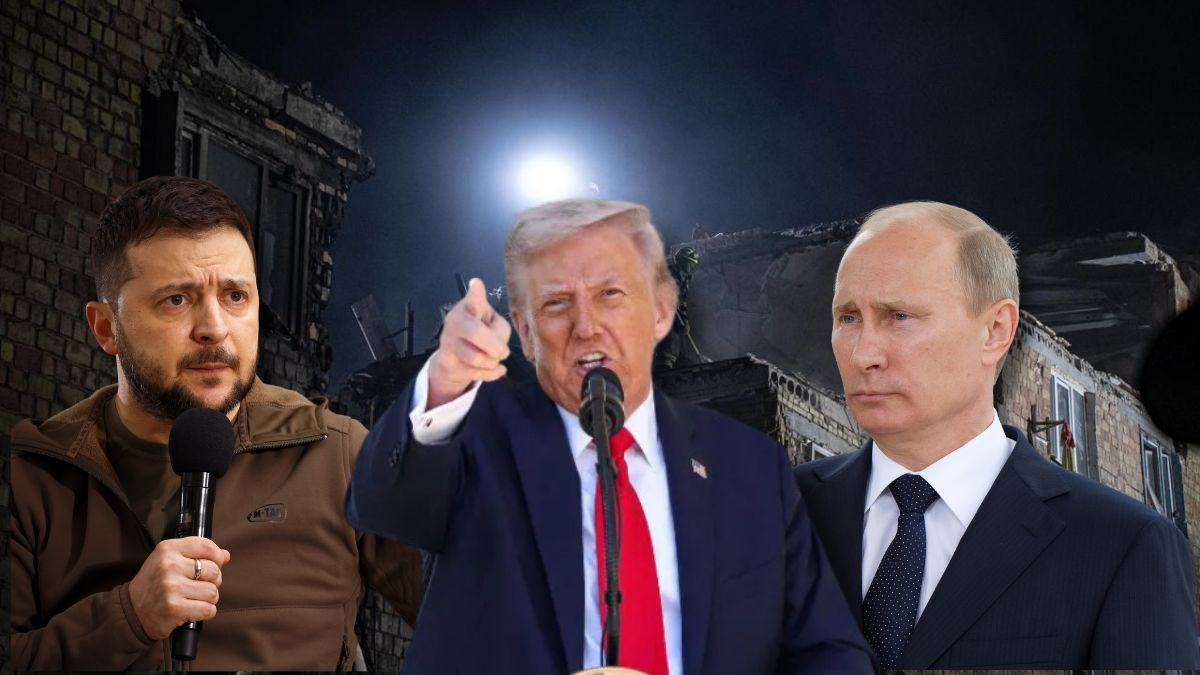
The meetings are the latest step in weeks of diplomatic activity, sparked by the leaking of a 28-point US peace plan last month. Image courtesy: RNA

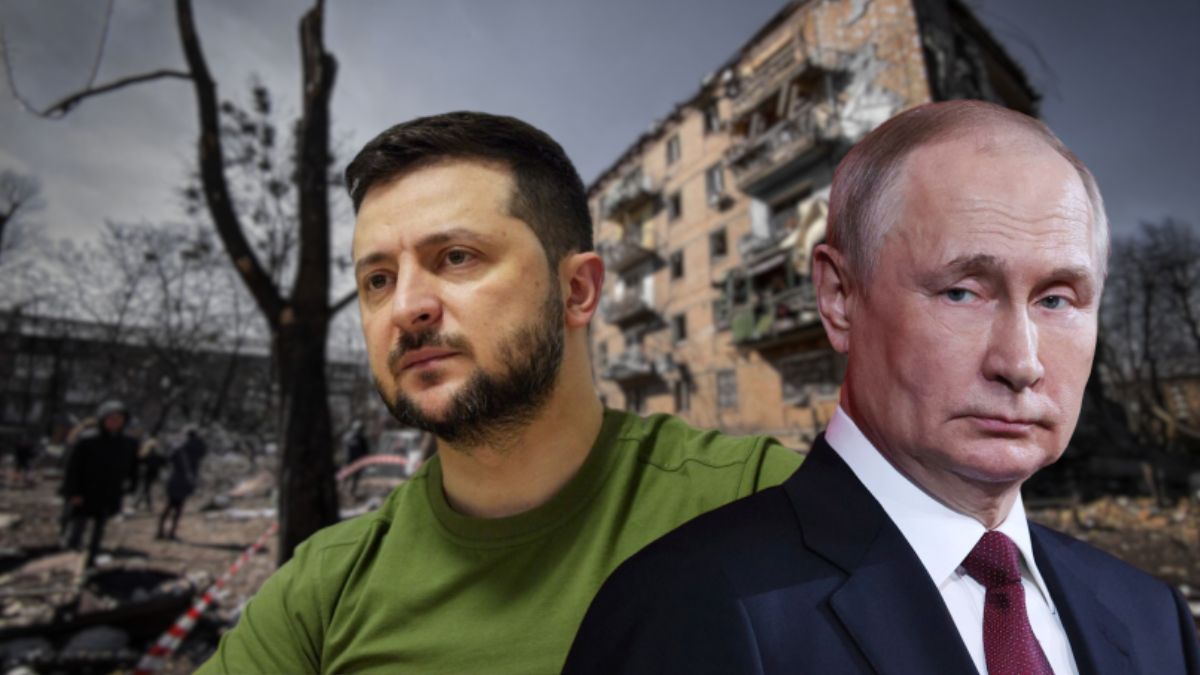
Fresh US-led efforts to end the Russia–Ukraine war have produced cautious optimism but no decisive breakthrough. After three days of talks in Miami, US and Ukrainian envoys described discussions as “productive and constructive,” even as fundamental gaps between Moscow and Kyiv remain unresolved.
US President Donald Trump’s special envoy Steve Witkoff and Ukraine’s top negotiator Rustem Umerov said the talks focused on aligning positions around a 20-point plan, a multilateral security guarantee framework, a US-backed security guarantee for Ukraine, and a longer-term economic and recovery plan.
“Our shared priority is to stop the killing, ensure guaranteed security, and create conditions for Ukraine’s recovery, stability, and long-term prosperity,” the two said in a joint statement.
Parallel channels: With Ukraine, US also engages Russia
While the US coordinated closely with Ukraine and European partners, parallel talks were held with Russia. Witkoff and other US officials, including Trump’s son-in-law Jared Kushner, met Kirill Dmitriev, a key Kremlin envoy and head of Russia’s sovereign wealth fund.
Witkoff later said the US–Russia meetings were also “productive and constructive,” adding that Moscow remained “fully committed to achieving peace in Ukraine.” The Kremlin confirmed that Dmitriev would return to Moscow to brief President Vladimir Putin on the discussions.
However, Moscow on Sunday (December 21, 2025) played down expectations of a trilateral US–Russia–Ukraine meeting, suggesting such a format is not under active consideration.
Competing peace plans
The Miami talks are part of a broader diplomatic push triggered by the leak of a 28-point US peace proposal last month, one that alarmed Kyiv and European capitals for appearing to tilt toward Russian demands.
Ukraine has since advanced its own 20-point counter-proposal, aimed at resisting US pressure to concede territory. Russia, meanwhile, continues to insist on control over parts of eastern Ukraine, including areas of the Donbas. US intelligence assessments, cited by Reuters, continue to warn that Putin ultimately seeks far more than a negotiated settlement.
Were the peace talks really productive?
Despite initial positive messaging, Russian officials quickly struck a more sceptical tone. Kremlin foreign policy aide Yuri Ushakov said most proposals discussed in Miami were driven by Ukraine and Europe and were “rather unconstructive,” according to Russian state media.
Putin himself, speaking at his annual marathon news conference, framed Russia’s battlefield position as dominant and accused Ukraine of refusing to end the war peacefully. “The strategic initiative is completely in the hands of the Russian forces,” he said.
In an interview with the BBC on Friday (December 19, 2025), Putin suggested that Russia would not pursue further wars if its interests were “respected.”
War continues as talks drag on
Even as diplomacy intensifies, fighting on the ground shows no sign of easing. Russia has stepped up strikes on Odesa, targeting port and energy infrastructure in what Ukrainian officials say is an attempt to choke access to the Black Sea and disrupt logistics toward Moldova.
Ukraine, on the other hand, carried out drone strikes in Russia’s Krasnodar region, damaging vessels and port infrastructure and triggering major fires, according to Russian authorities. The continued escalation speaks volumes of the dilemma that peace talks are advancing in parallel with widening military action.
Putin-Macron talks: What’s going on?
Amid US-driven negotiations, Europe is seeking a more direct role. The French presidency has welcomed signs that Putin is willing to speak with President Emmanuel Macron, saying details of a potential dialogue would be finalised in the coming days. Macron said European leaders and Ukraine have a clear interest in re-engaging Russia directly.
“Otherwise, we end up talking among ourselves, while negotiators go off on their own to talk with the Russians,” he warned.
French President Macron’s remarks came after his Russian counterpart said he is ready to hold talks with the former if there is mutual political will, RIA news agency cited Kremlin spokesman Peskov as saying. “If there is mutual political will, then it can only be viewed positively,” Peskov said on Sunday.
Meanwhile, European Union leaders on Friday agreed to give Ukraine an interest-free loan of 90 billion euros to support its defences against Russia, or else Kyiv stands to lose the war. The EU, however, failed to agree on using frozen Russian assets to come up with the funds.