
Force For Good Working: Quad Closes Ranks As China Stages Massive Justice Mission 2025 Drills Around Taiwan
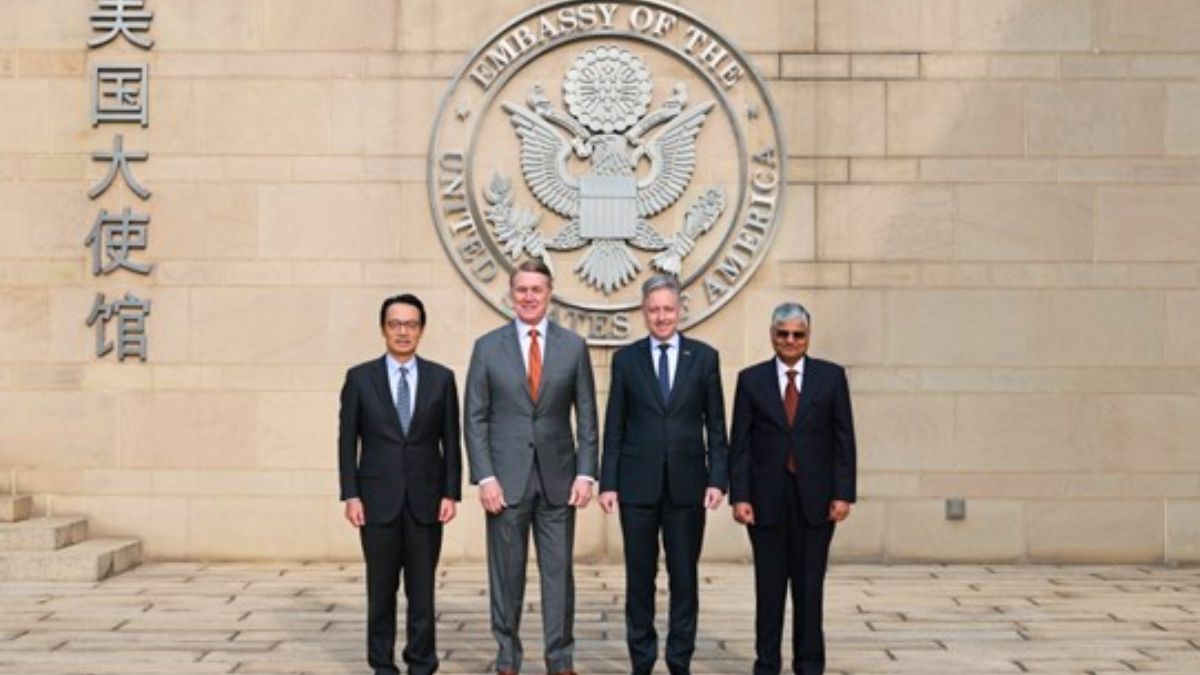
According to the Chinese military, the drills involve forces from the army, navy, air force and rocket force. Image courtesy: X.com/@USAmbChina

Over the past few months, tensions between China and Taiwan have intensified so much so that Beijing is conducting large-scale military exercises around the region. Amid the onging drills, the Quadrilateral Security Dialogue (Quad) has underlined its unity and strategic resolve at a moment of heightened regional tension.
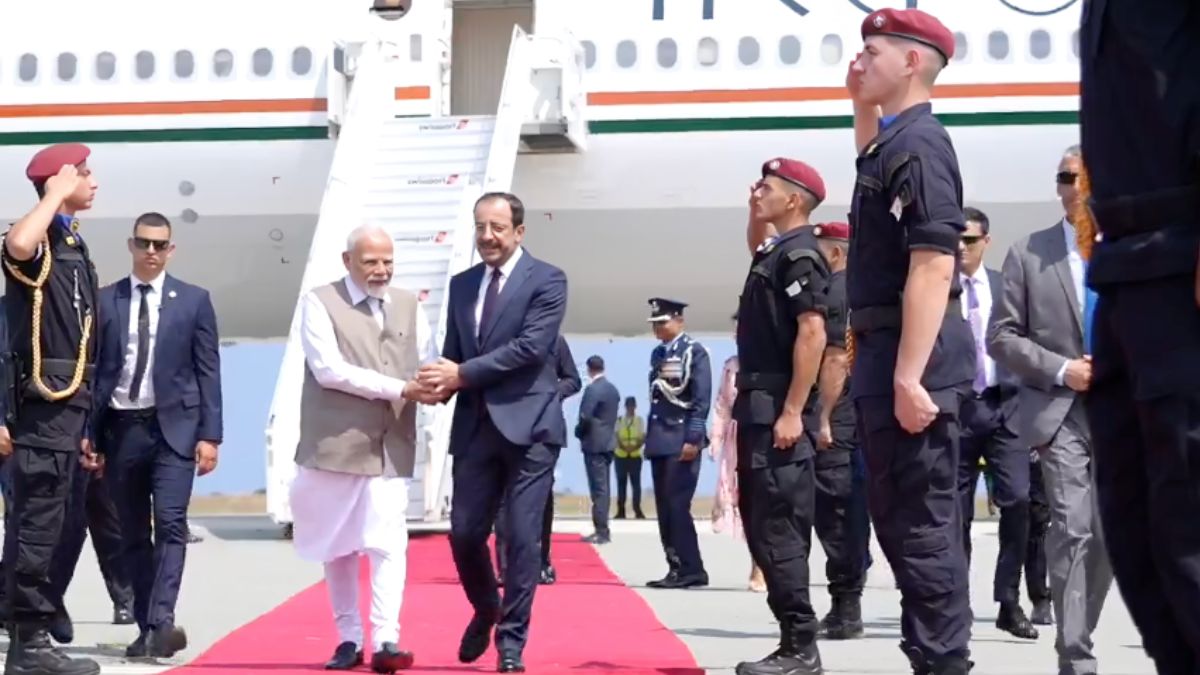
The United States, India, Japan and Australia moved to reaffirm their commitment to a “free and open Indo-Pacific” amid China’s expansive military exercises around Taiwan. US Ambassador to China David Perdue on Tuesday (December 30, 2025) met his Quad counterparts in Beijing, describing the grouping as “a force for good”.
With this, he emphasised the strength of cooperation among the four democracies even as Beijing conducted large-scale military drills in the region. “The Quad is a force for good working to maintain a free and open Indo-Pacific,” Perdue said in a post on X after the meeting, adding that the US–Australia–India–Japan partnership “continues to be strong.”
How does the Quad see its role in the Indo-Pacific?
Perdue’s remarks reinforced the Quad’s stated aim of upholding a rules-based order, freedom of navigation and regional stability in the Indo-Pacific, principles that have taken on renewed urgency amid China’s growing military assertiveness. The meeting of Quad ambassadors in Beijing was seen as a symbolic show of solidarity, signalling that despite differences in geography and immediate interests, the four nations remain aligned on maintaining peace and stability across the region.
What is China doing around Taiwan?
The Quad’s message of unity came as China launched a large-scale inter-service joint military exercise around Taiwan, a move widely interpreted as an attempt to assert Beijing’s claim over the self-governed island.
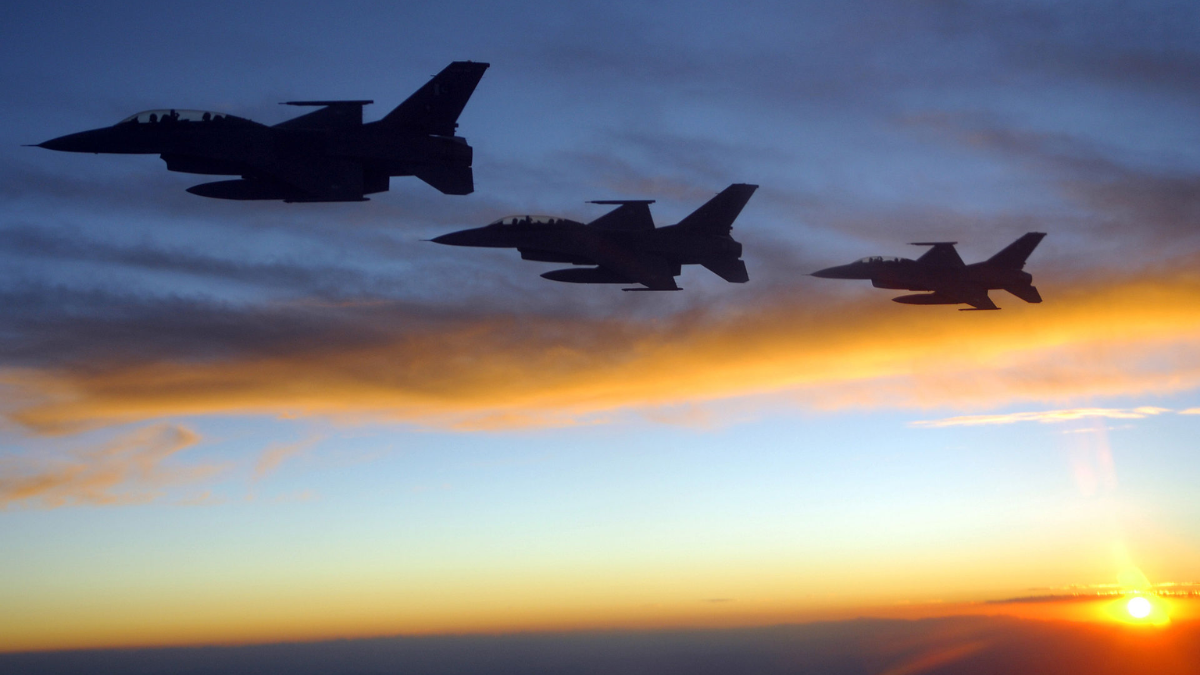
According to China Daily, the drill, codenamed Justice Mission 2025, is being conducted by the People’s Liberation Army’s Eastern Theatre Command and involves coordinated operations by ground forces, the air force, navy, missile units and other branches.
PLA spokesperson Senior Colonel Shi Yi said the exercise includes air and maritime patrols, simulated strikes against hostile targets, blockades of key ports and areas, and deterrence operations along the periphery of the battlefield, aimed at testing joint combat and integrated operational capabilities.
Justice Mission 2025: Why are China’s drills raising alarm?
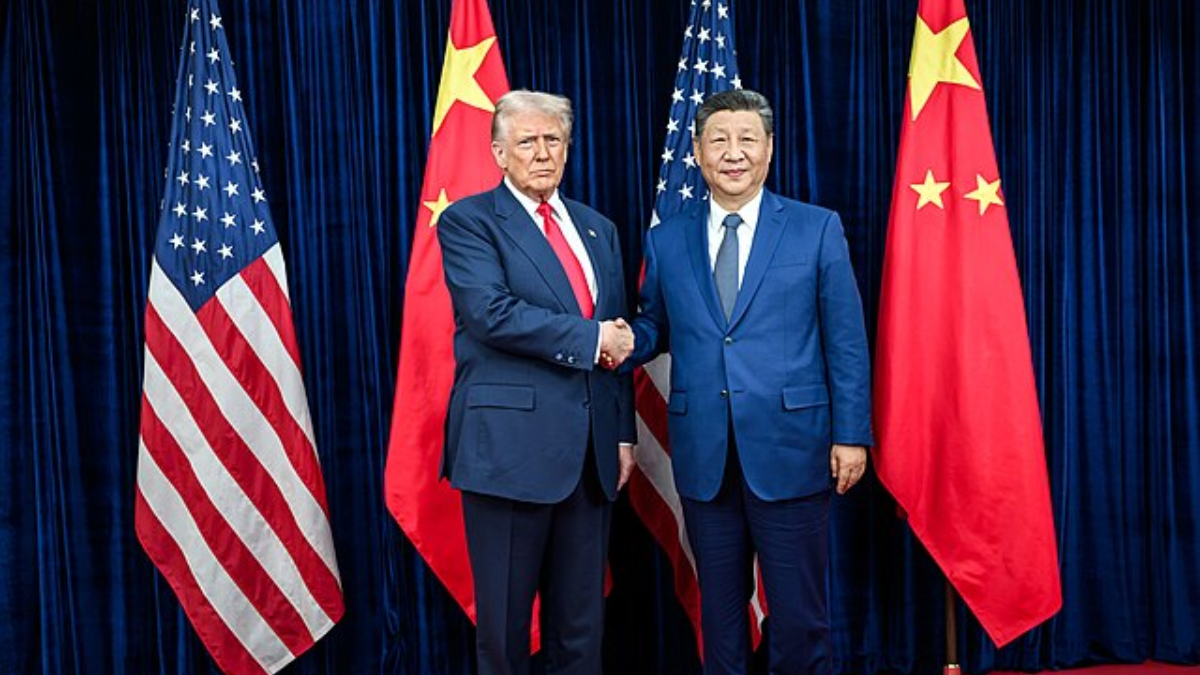
The latest exercises mark one of the most expansive shows of force around Taiwan in recent months and follow the US administration’s approval, under President Donald Trump, of a major arms package for Taipei on December 18, 2025. The proposed US arms sales, valued at $11.1 billion, include medium-range missiles, howitzers and drones.
Taiwan has sharply condemned China’s actions, calling them “irrational provocations” that threaten regional peace and stability.
“We strongly condemn the PRC’s irrational provocations and oppose the PLA’s actions that undermine regional peace,” Taiwan’s Ministry of National Defence said in a post on X, adding that rapid response exercises were underway and forces were on high alert. Taiwan’s military confirmed that it had conducted “Rapid Response Exercises” to closely monitor Chinese aircraft and naval activity.
What scale of activity has Taiwan detected?
Taiwan’s defence ministry reported a sharp spike in Chinese military activity, stating that 130 PLA aircraft, 14 PLAN vessels and eight official ships were detected operating around the island up to early Tuesday morning. Of the aircraft sorties, 90 reportedly crossed the median line and entered Taiwan’s northern, central, southwestern and eastern air defence identification zones (ADIZ), prompting Taiwanese forces to track and respond.
Lt Gen Lien Chih-wei, Taiwan’s deputy chief of general staff for operations and planning, described China’s actions as “irresponsible,” noting that Taiwan has established clear rules of engagement and authorisation procedures to manage escalation and ensure calibrated responses.
What message does the Quad send amid China’s drills around Taiwan?
Against this backdrop, the Quad’s coordinated messaging from Beijing is being seen as a deliberate signal that the grouping is not aimed at confrontation, but at preserving stability, deterring unilateral actions, and keeping the Indo-Pacific open, inclusive and governed by international law.
As China intensifies its military posture around Taiwan, the Quad’s reaffirmation of unity underscores its evolving role as a stabilising force in the Indo-Pacific.