

India Takes Over BRICS Presidency For 2026, Pledges Global South Focus Amid Trump Tariffs And Trade Turmoil
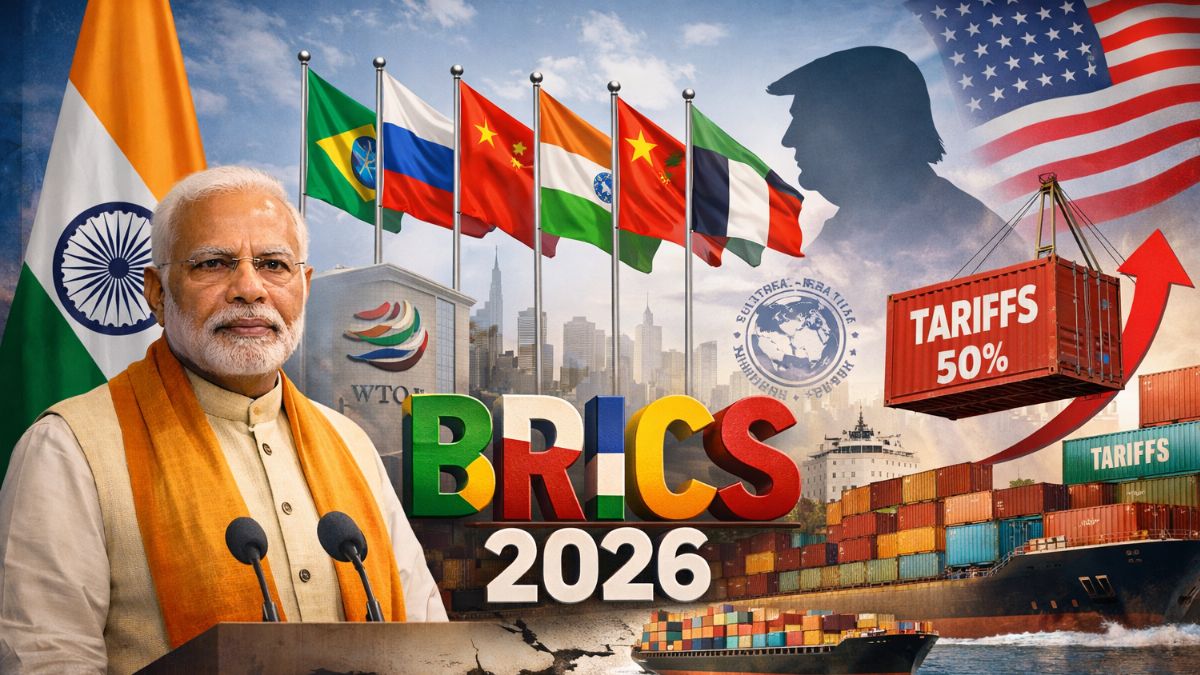
India steps into the BRICS chair for 2026 positioning itself as a bridge for the Global South amid shifting trade and power dynamics. Image courtesy: AI generated picture via DALL-E

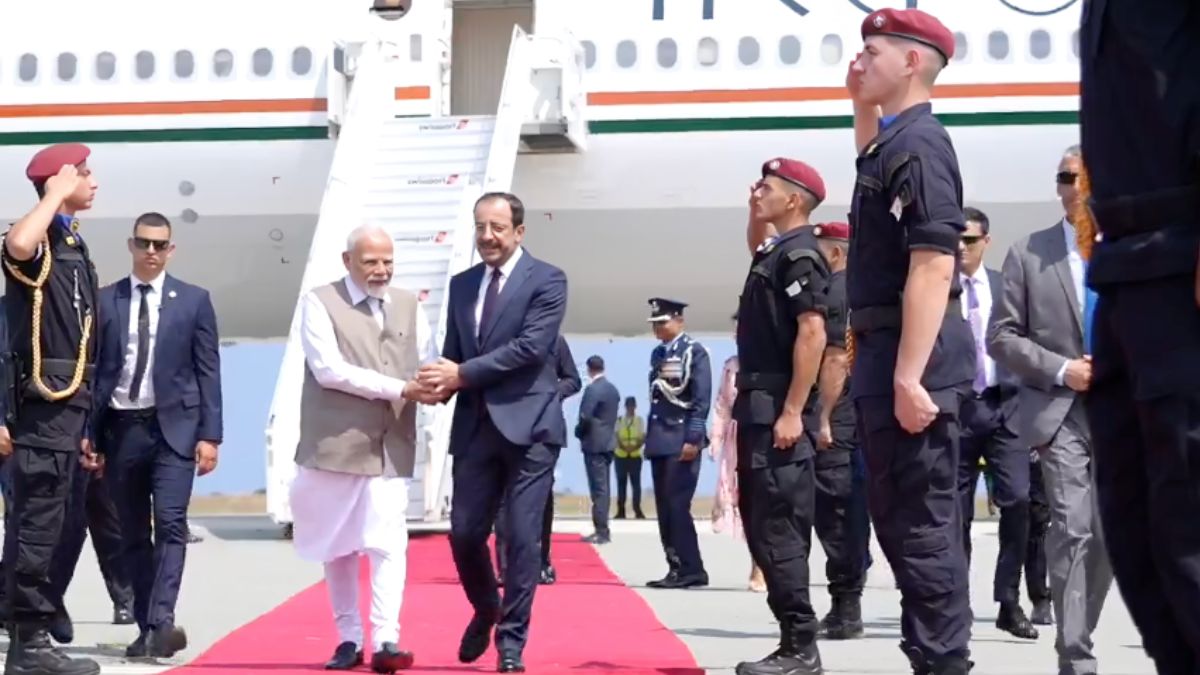
India on Thursday (January 2, 2026) formally assumed the rotating presidency of the BRICS grouping for 2026, positioning itself as a key voice for inclusive development, multilateralism and the interests of the Global South at a time when global trade is under strain from escalating US tariffs under President Donald Trump.
As BRICS chair, New Delhi is expected to steer the bloc’s agenda toward reforming international economic governance, strengthening multilateral institutions and reducing fragmentation in global supply chains, even as geopolitical tensions and protectionist policies reshape the global order.
What is BRICS grouping?
Originally formed by Brazil, Russia, India, China and South Africa, BRICS has expanded rapidly over the past two years to include Egypt, Ethiopia, Indonesia, Iran and the United Arab Emirates.
Saudi Arabia is listed as the 11th member on the BRICS website, though some reports suggest Riyadh has yet to formally complete the accession process.
According to World Bank data, the expanded BRICS grouping now accounts for around 49% of the world’s population, 29% of global GDP and 23% of international trade, underscoring its growing economic and political weight.
What is the significance of India’s presidency of BRICS?
India’s presidency comes amid heightened trade tensions with Washington. In August, President Trump imposed steep tariffs of up to 50% on Indian goods, including a 25% penalty linked to New Delhi’s purchases of Russian oil, the highest rate applied to any US trading partner.
Similar duties were imposed on Brazil, the 2025 BRICS chair, although Washington later eased tariffs on some Brazilian food exports such as coffee and beef.
Trump has also publicly warned BRICS against pursuing alternatives to the US dollar. In February, he threatened 100% tariffs if the bloc attempted to launch a common currency, declaring that “BRICS is dead” if it challenged dollar dominance.
What will be India’s role as BRICS president?
Against this backdrop, India is expected to adopt a calibrated approach. “Facing Trump tariffs, India will likely resist confrontational de-dollarization, and instead promote local currency settlements to maintain strategic autonomy,” said Prerna Gandhi, associate fellow at the Vivekananda International Foundation, was quoted by international news platforms.
She added that India would push for reforms in institutions such as the World Trade Organization and the International Monetary Fund, while encouraging dialogue to stabilise global supply chains.
How would India use BRICS presidency?
Raj Kumar Sharma, senior research fellow at New Delhi-based NatStrat, said India would use its BRICS presidency to “defend and strengthen multilateralism against any unilateral impulses,” while supporting reforms of global governance bodies including the UN Security Council, World Bank and IMF.
He noted that India could advocate special and differential treatment for developing economies, acknowledging structural inequalities in global trade rules.
Will India push an agenda similar to its G20 presidency?
The Global South agenda is expected to mirror India’s approach during its G20 presidency in 2023, with a focus on food and fuel security, debt restructuring, climate finance and human-centric development.
“India would like to make sure that the voice of the Global South is not lost amidst ongoing great-power rivalry,” Sharma said, even as the US assumes the G20 presidency.
How would India respond to BRICS expansion?
On expansion, India is likely to push for clearly defined membership criteria. Pakistan, facing economic distress, has applied for BRICS membership and is seeking entry into the BRICS-backed New Development Bank.
However, New Delhi maintains that any enlargement should strengthen, not dilute, BRICS’ effectiveness, with decisions taken by full consensus and based on transparent economic and institutional benchmarks.