
US Eyes Venezuela’s Oil Comeback As Maduro Pleads Not Guilty, Claims ‘Kidnapping’ After Stunning American Seizure
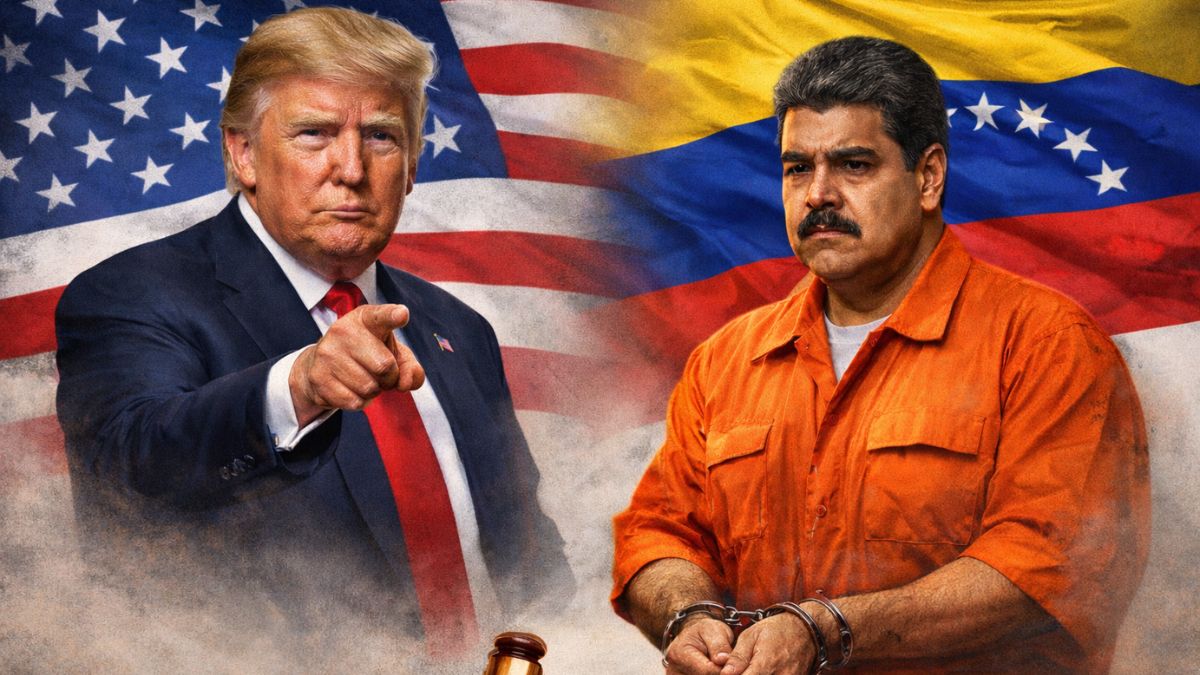
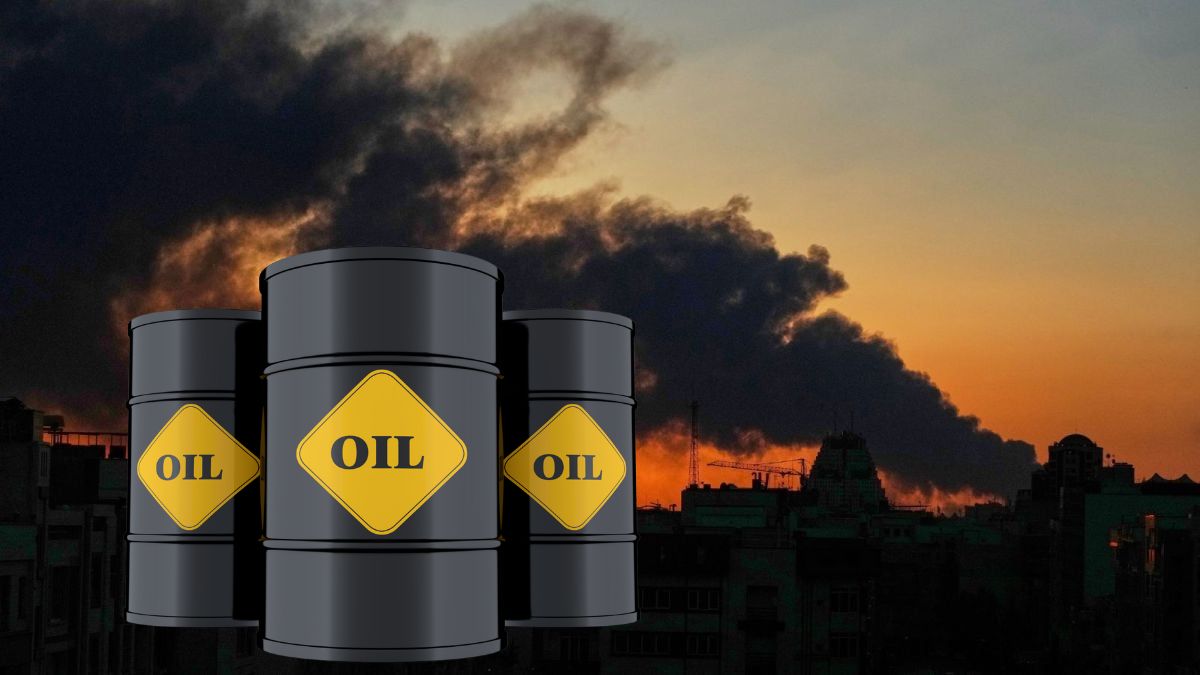
The US sharpens its focus on Venezuela’s oil future as Nicolas Maduro faces American courts and Washington recalibrates its strategy amid a deepening political crisis. Image courtesy: AI generated picture via DALL-E

The United States is moving to reshape Venezuela’s political and energy landscape in one of the most dramatic interventions in Latin America in decades, pressing American oil majors to pour billions into reviving the country’s shattered oil industry.
Deposed Venezuelan President Nicolás Maduro appears in a US courtroom, pleaded not guilty to drug trafficking charges, and insisted he remains Venezuela’s legitimate leader.
How is the US eyeing Venezuela’s oil?
In recent weeks, White House and State Department officials have told senior executives from US oil companies that a rapid return to Venezuela, and heavy upfront investment, would be a prerequisite if they want to recover billions of dollars lost to expropriations under Hugo Chávez in the 2000s.
The message, according to people familiar with the discussions, is blunt: rebuild first, get paid later.
How has the US oil push in Venezuela gained urgency?
The push gained urgency after President Donald Trump confirmed on January 3, 2026, that US companies were prepared to return and spend billions to reactivate Venezuela’s oil sector, just hours after US forces captured Maduro in a lightning operation in Caracas.
Trump has since made clear that access to Venezuela’s vast oil reserves is central to Washington’s strategy, even as questions swirl over the legality and long-term consequences of the raid.
What did Maduro tell the US courts?
Maduro, 63, appeared in Manhattan federal court on January 5, 2026, wearing prison garb and ankle shackles, where he pleaded not guilty to charges including narco-terrorism and cocaine importation conspiracy.
“I am innocent. I am not guilty. I am a decent man. I am still president of my country,” he said through an interpreter, claiming he had been “kidnapped” by US forces. His wife, Cilia Flores, also pleaded not guilty. The next court date was set for March 17.
The charges accuse Maduro of overseeing a cocaine-trafficking network linked to international cartels, allegations he has long dismissed as a pretext for US designs on Venezuela’s oil wealth.
His arrest has rattled world capitals, triggered emergency debates at the United Nations Security Council, and drawn condemnation from Russia, China and Venezuela’s leftist allies.
What is happening in Venezuela after Maduro’s capture?
Back in Caracas, Vice President Delcy Rodríguez was sworn in as interim president, signaling continuity rather than an immediate opposition takeover.
A recent US intelligence assessment reportedly concluded Rodríguez was best positioned to maintain order, while opposition figures would struggle for legitimacy.
Trump officials have suggested Washington is willing to work with her, sidelining long-backed opposition leaders, for now.
How is US energy policy colliding with geopolitics?
Against this volatile backdrop, US energy policy is colliding with geopolitics. Companies like ConocoPhillips and Exxon Mobil, which left Venezuela after Chávez demanded greater state control, are owed billions from international arbitration.
Conoco alone is seeking about $12 billion, while Exxon claims $1.65 billion. Officials have told executives that any recovery would require them to front the capital to rehabilitate decayed fields, pipelines and refineries, an expensive gamble in a country still under sanctions and facing political uncertainty.
Chevron, which stayed through joint ventures with state-run PDVSA, is seen as a model Washington wants others to follow. Yet analysts warn that even if US firms return, meaningful production gains could take years.
Venezuela once pumped 3.5 million barrels per day in the 1970s; output has since collapsed to around 1.1 million bpd amid mismanagement, sanctions and crumbling infrastructure.
How has US action against Maduro raised serious legal questions?
Security risks, unclear contract frameworks, and the precedent of a US military seizure of a sitting head of state loom large for corporate boards and shareholders.
International law experts have questioned the legality of the raid, while Trump officials insist the United States has an “absolute legal right” to arrest those charged with serious crimes.
Trump has said the US is “not at war with Venezuela” but with drug traffickers, while also asserting Washington is now effectively “running” the country and controlling its oil commerce.
Whether that leverage translates into a stable transition, or a prolonged crisis, will determine not only Maduro’s fate, but whether Venezuela’s oil riches can once again flow onto global markets.