‘Mother Of All Deals’ Makes US Uneasy: Scott Bessent Says Europeans Put Trade Ahead Of Ukrainian People
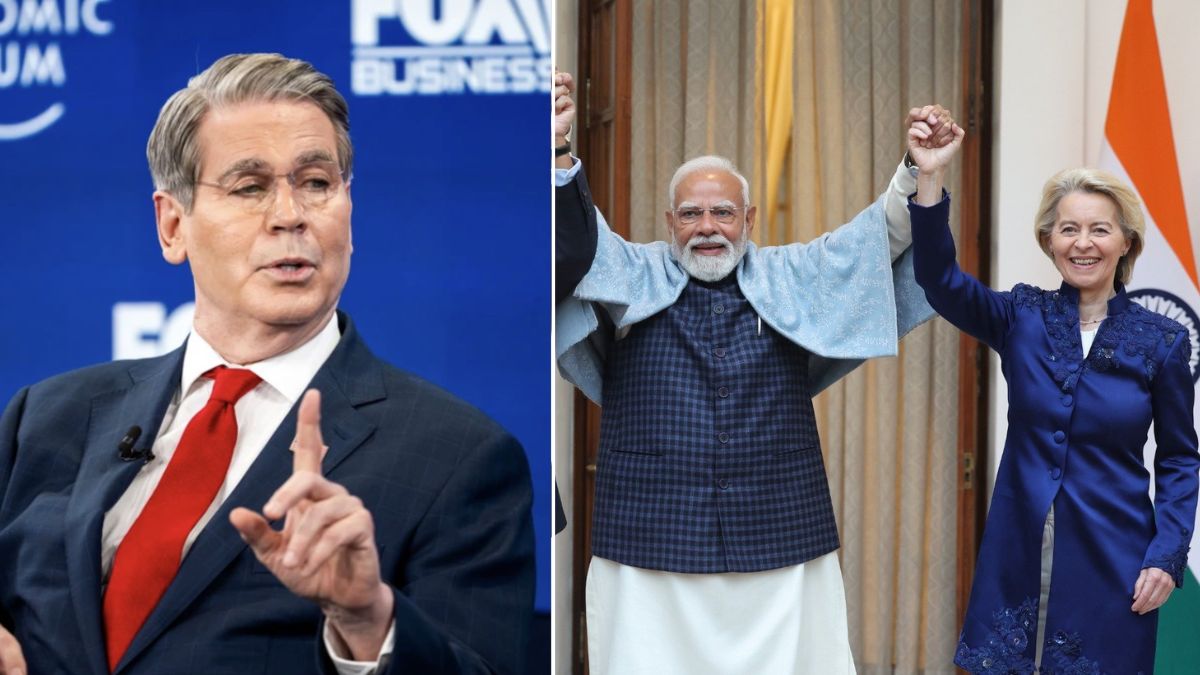
US Treasury Secretary Scott Bessent has criticised Europe's newly signed trade deal with India. Image courtesy: RNA

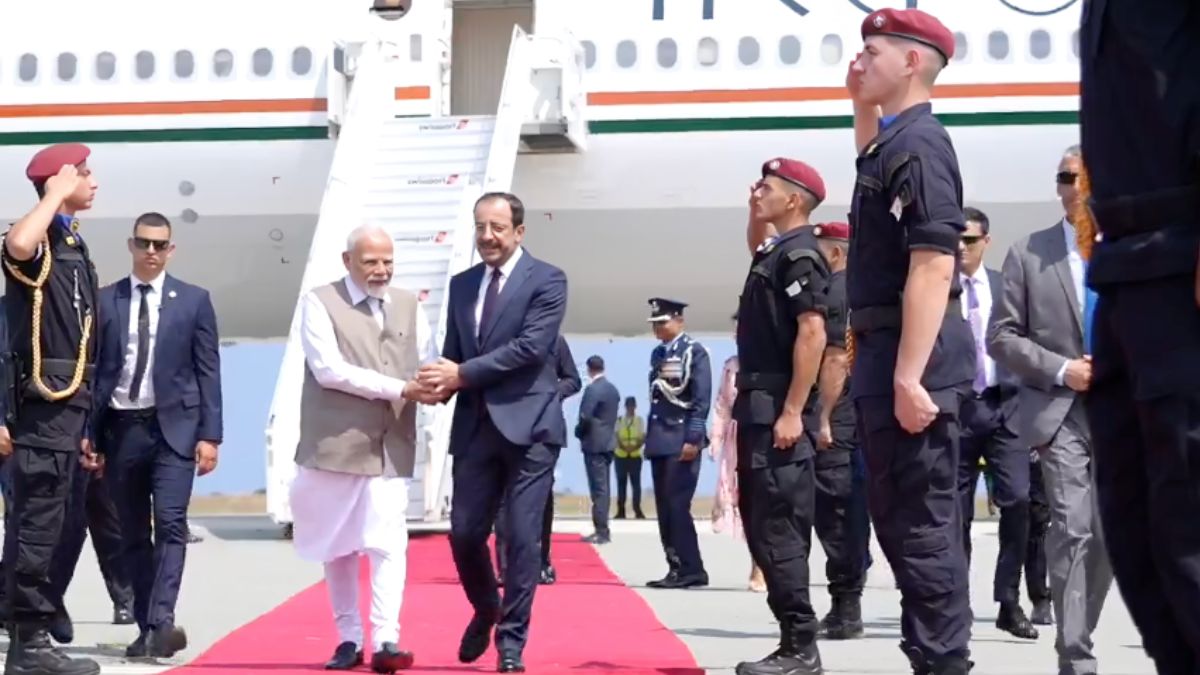
United States seems irked over the recently signed historic India-EU Free Trade Agreement which has been dubbed ‘mother of all deals’ by European leaders and Indian leaders alike. This highly ambitious trade deal brings together world’s fourth-largest economy (India) and the second-largest (EU), accounting for 25% of global GDP.
For India, it is among the most consequential FTAs ever signed, even as it waits for an agreement on the long-pending trade deal with the United States. Team Trump has registered its displeasure over one of India’s biggest-ever economic breakthroughs, reacting severely.
The India–European Union Free Trade Agreement, finalised this week after years of negotiations, has triggered an unexpectedly sharp reaction from Washington. While Brussels hails the pact as a strategic win, US Treasury Secretary Scott Bessent has made some critical remarks on this.
Why is US unhappy with the India–EU trade deal?
Speaking to CNBC, US President Donald Trump’s treasury chief Bessent said he was “very disappointed” with Europe’s decision to sign the FTA with India, accusing the EU of prioritising commercial interests over solidarity with Ukraine. He claimed that the Europeans are not willing to join the US.
“Europe and India signing this massive trade deal–does that threaten America? Again, they should do what’s best for themselves,” Bessent said. “But I find the Europeans very disappointing because they are on the front line of the Ukraine-Russia war.”
According to him, the deal explained why European countries had declined to match the additional 25% US tariffs imposed on Indian goods last year, which Washington framed as part of its effort to curb the use of Russian oil. “The Europeans were unwilling to join us, and it turns out because they wanted to do this trade deal,” Bessent said.
What does the India–EU FTA change for global trade?
The newly announced agreement is one of the largest trade deals signed by either side, aiming to reduce or eliminate tariffs on 96.6% of traded goods by value. The EU estimates the pact will double EU exports to India by 2032, save European companies €4 billion ($4.8 billion) annually in duties, reduce Europe’s trade dependence on the US amid rising global trade tensions
For India, the deal opens deeper access to one of the world’s largest markets (27 European nations) and strengthens its position as a key global manufacturing and services hub. The deal would also offer preferrential access to 99% of Indian exports, benefitting a range of sectors.
US registers displeasure over Europe’s trade deal with India
Citing the Russia-Ukraine war, Bessent alleged that European countries continued buying refined petroleum products from India, even though they were made using sanctioned Russian crude, while refusing to support Washington’s tougher trade measures against New Delhi.
He suggested that Brussels’ reluctance to align with US tariffs stemmed from its parallel negotiations with India, accusing Europe of speaking about Ukraine while acting in its own economic self-interest.
“Every time you hear a European talk about the importance of the Ukrainian people, remember that they put trade ahead of the Ukrainian people,” Bessent said.
How does this contrast with the stalled India-US trade deal?
The strong US reaction stands in sharp contrast to the slow progress in India-US trade negotiations, which have dragged on for years without a comprehensive agreement.
While Bessent recently hinted at a possible rollback of the 25% additional US tariffs on Indian goods, following India’s reduction in Russian oil imports, no clear timeline has emerged for a broader trade deal between New Delhi and Washington.
Bessent’s remarks come amid broader transatlantic tensions, heightened after Trump threatened tariffs on certain European countries over disagreements unrelated to trade, unsettling EU capitals. The India-EU FTA, finalised against this backdrop, highlights a shifting global order where middle and major powers are diversifying partnerships.