Terrorism Has No Place In Civilised Socities: India Welcomes US Push on Gaza Peace, ‘Board of Peace’ At UNSC
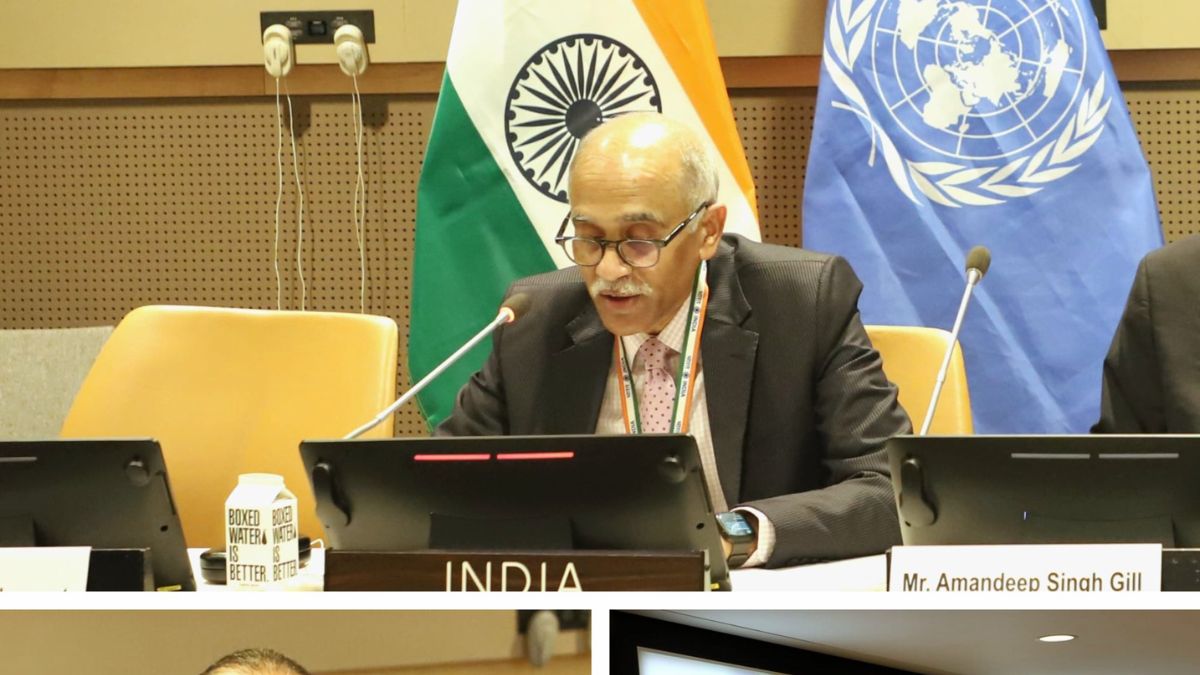
The UN Security Council resolution 2803, adopted in November last year, endorsed US President Donald Trump’s ‘Comprehensive Plan to End the Gaza Conflict’. Image courtesy: X.com/@AmbHarishP

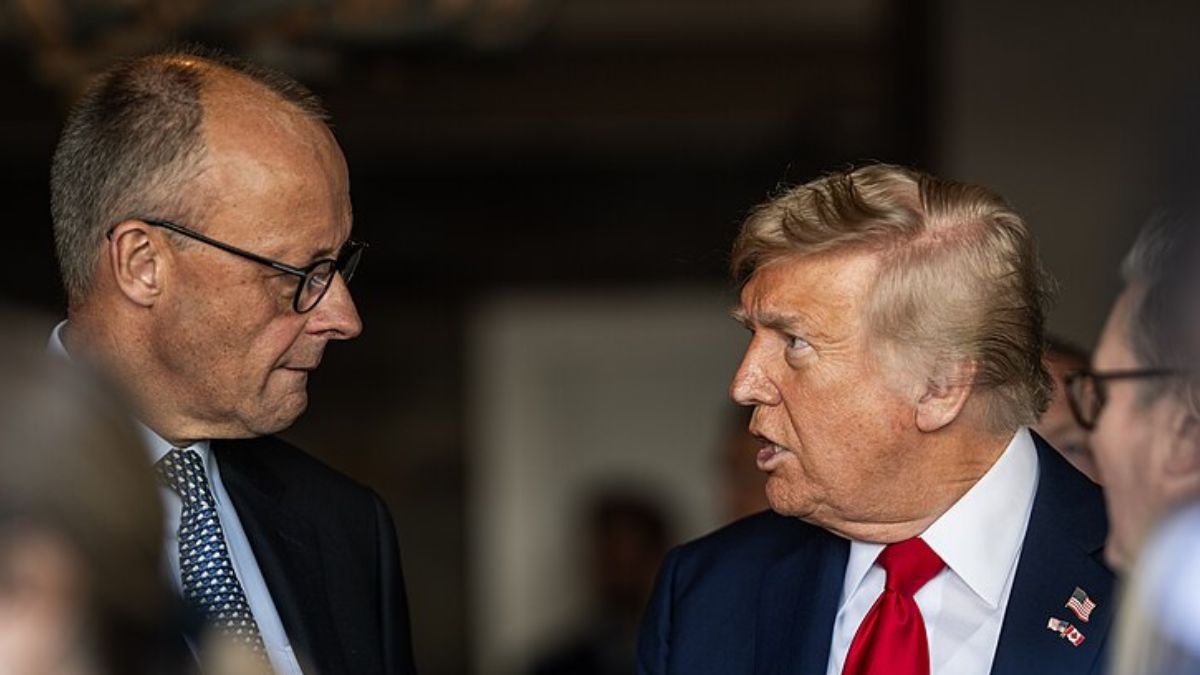
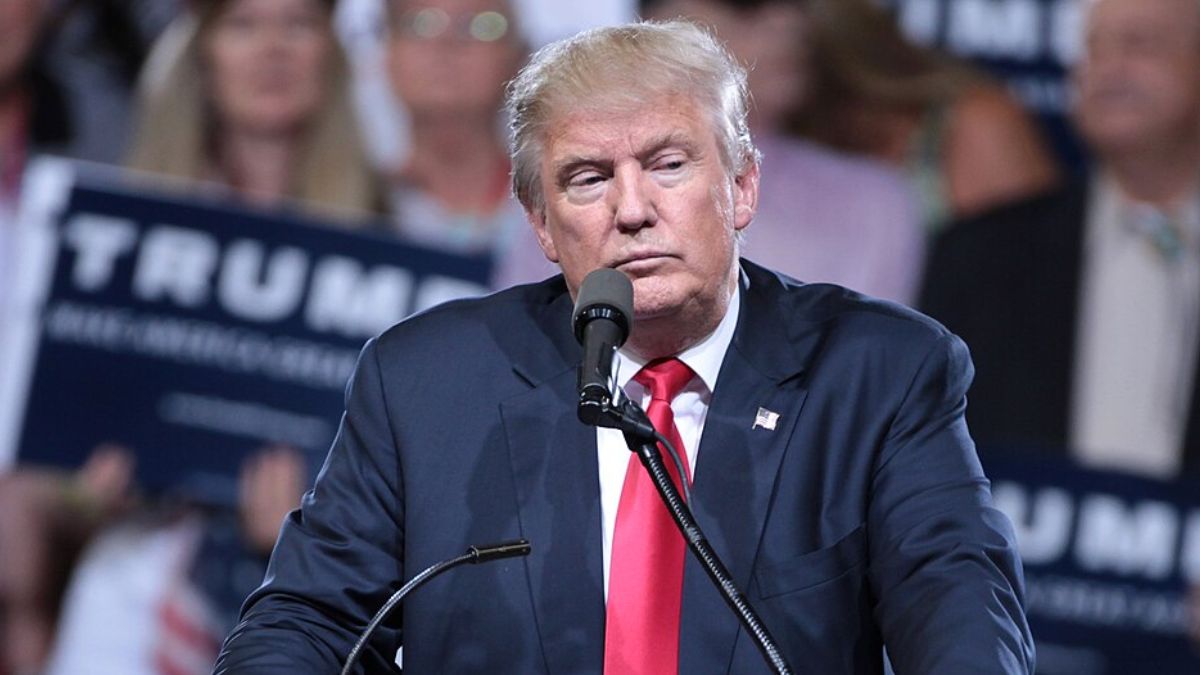
US President Donald Trump last week unveiled the Board of Peace, which aims at overseeing peace and ceasefire in Gaza, to settle the confict that has been going on for years now. India has praised the United States for its role in advancing efforts to resolve the long-running conflict.
India’s Permanent Representative to the UN, Ambassador Parvathaneni Harish, welcomed recent progress at the United Nations and reaffirming its principled support for Palestine, even as it stressed that terrorism has no place in civilised societies. India took the opportunity to express appreciation to the United States.
Harish while speaking during a UN Security Council open debate on the Situation in the Middle East (West Asia) on Wednesday (January 28, 2026), stated, “India takes note of recent progress with regard to the implementation of UN Security Council Resolution 2803 to end the Gaza conflict.”
What did India say about US efforts on Gaza?
India said it was encouraged by recent movement on the implementation of UN Security Council Resolution 2803, which seeks to end the Gaza conflict. India also takes this opportunity to express appreciation to the United States in addressing this long-standing issue, Harish told the Council.
The resolution, adopted in November last year, endorsed US President Donald Trump’s ‘Comprehensive Plan to End the Gaza Conflict’, positioning Washington at the centre of renewed diplomatic efforts.
What is the ‘Board of Peace’ and why does it matter?
Resolution 2803 also welcomed the creation of a ‘Board of Peace’ (BoP), a transitional administration with international legal personality. Under the plan, the BoP will set the framework for Gaza’s redevelopment, coordinate international funding, along with overseeing reconstruction under the Comprehensive Plan.
The vision outlined in the resolution states that “Gaza will be a deradicalised terror-free zone that does not pose a threat to its neighbours” and will be rebuilt for the benefit of its people.
How big is the challenge of rebuilding Gaza?
India underscored the scale of devastation in Gaza, describing reconstruction as a “herculean task” that demands sustained international support. Citing UN estimates, Harish said Gaza contains nearly 60 million tonnes of rubble, much of it contaminated with hazardous material.
“Traditional reconstruction models would have limitations in dealing with this unique situation. An innovative approach with technological rigour is required,” Harish noted.
What is India’s message on terrorism?
While expressing empathy with Palestinian suffering, India was clear on its stance against violence. India’s Permanent Representative to the UN underlined, “Let us be clear that terrorism has no place in civilised societies and must be condemned in all its forms and manifestations”.
India also took note of incremental improvements in the humanitarian situation but warned that harsh winter conditions, food and fuel shortages, and lack of access to health, education, hygiene and sanitation continue to hit civilians, especially women and children. New Delhi reiterated its call for safe and unhindered humanitarian access.
India stand on Palestine and Israel
On the political front, India reaffirmed its long-standing support for a two-state solution. Harish said India consistently backs a “sovereign, independent, viable State of Palestine, living side by side in peace and security with Israel, within secure and recognised borders.”
Worth mentioning here is that India was also the first non-Arab country to recognise Palestine in 1988, and continues to advocate dialogue and diplomacy as the only sustainable path forward.
India highlighted its humanitarian contribution, noting that over the past two years it has supplied nearly 135 metric tonnes of medicines and relief material, implemented development projects worth $40 million. In cumulative terms, India’s support to the Palestinian people now exceeds $170 million.
Meanwhile, Harish also cautioned that conflicts across West Asia are interlinked, with implications far beyond the region. “These issues… impinge upon the broader landscape of international peace and security,” he said, adding that India hopes sustained dialogue and diplomacy can deliver durable solutions. Summing up New Delhi’s approach, Harish said India believes the Middle East’s challenges require “comprehensive, inclusive and sustained diplomatic engagement and humanitarian support.”