Russia Regrets End of Last Nukes Treaty with US as UN Chief Warns of Grave Situation

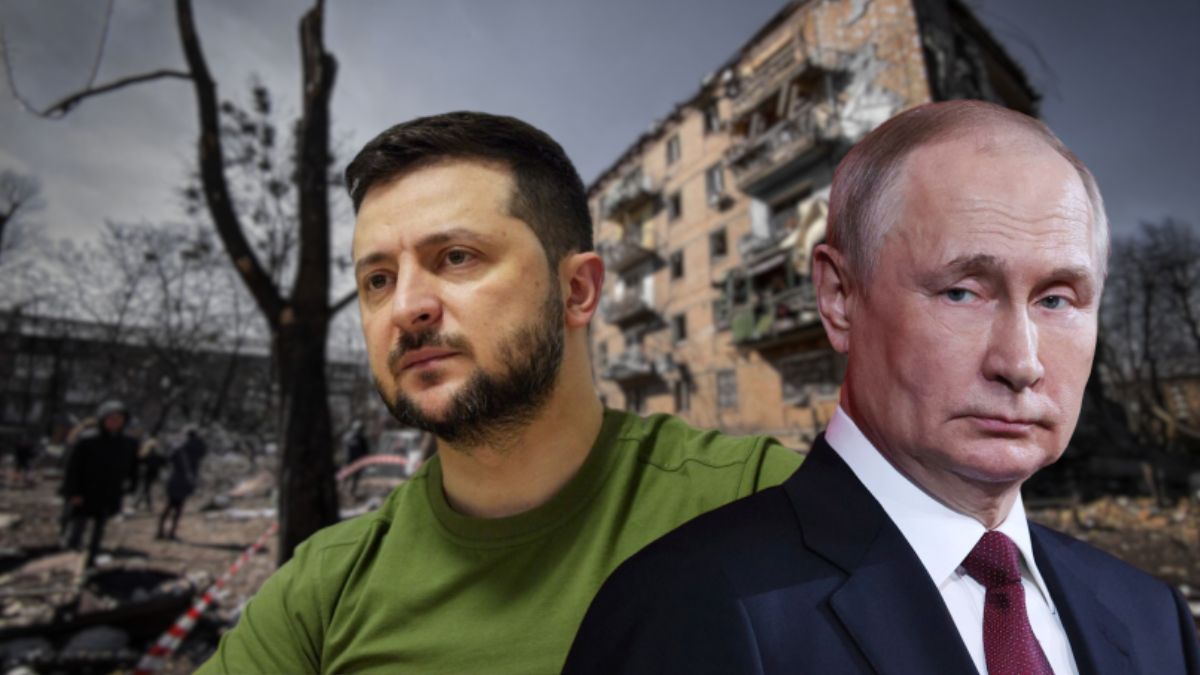
Russia on Thursday (February 5, 2026) regretted the expiry of the last remaining nuclear arms control treaty with the US, calling it a “negative” step, even as the United Nations called it a “grave moment for international peace and security.”
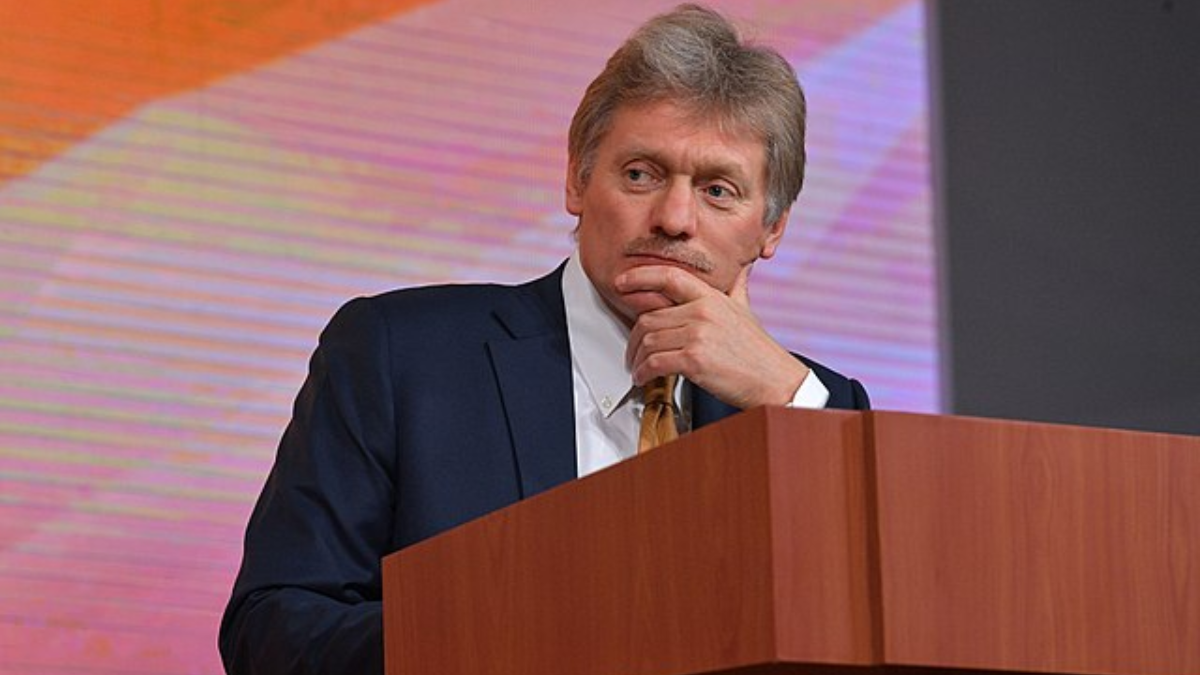
Kremlin spokesperson Dmitry Peskov told the media, “We view it negatively. We express our regret in this regard” on the end of the New START treaty that restricted the number of nuclear warheads the two sides could deploy.
Peskov aid that it could neither confirm nor deny reports that French President Emmanuel Macron’s top diplomat had visited Moscow this week.
Macron’s most senior diplomat was reportedly in Moscow on Tuesday (February 3, 2026) to hold talks with Russian officials, according to a French sources. Peskov, however, joked that French “sources” were fond of leaking information to the media.
Meanwhile, UN Secretary-General Antonio Guterres warned Wednesday (February 4, 2026) that the New START Treaty’s expiry posed a “grave moment for international peace and security.”
This was the last remaining treaty between the US and Russia, and it legally bound the two nations on the nuclear arms limits. The US and Russia are the world’s two largest nuclear-armed nations, holding huge stockpiles.
“The expiration of the New START Treaty, as of midnight today, marks a grave moment for international peace and security,” Guterres said in a statement marking the treaty’s expiry.
He stressed that “for the first time in more than half a century, we face a world without any binding limits on the strategic nuclear arsenals of the Russian Federation and the United States of America, the two States that possess the overwhelming majority of the global stockpile of nuclear weapons.”
Noting that nuclear arms control treaties between the US and Russia long served as a stabilising force, he said it helped in preventing a catastrophe and reduced the risk of devastating miscalculation.
He reiterated that from the Strategic Arms Limitation Talks (SALT) to New START, such bilateral agreements reduced thousands of nuclear weapons and improved global security.
“This dissolution of decades of achievement could not come at a worse time,” he warned, emphasising that “the risk of a nuclear weapon being used is the highest in decades.”
Cautioning that the absence of verifiable limits on strategic arsenals increases global insecurity amid rising geopolitical tensions and rapid technological change, Guterres noted that the moment should also be seen as an opportunity to reset arms control efforts.
“The world now looks to the Russian Federation and the United States to translate words into action,” he said, urging both sides to return to negotiations without delay and agree on a successor framework that “restores verifiable limits, reduces risks, and strengthens our collective security.”
The US-based Arms Control Association, on its website, noted that the New Strategic Arms Reduction Treaty (New START) was signed on April 8, 2010 in Prague by the United States and Russia. The New START Treaty became effective on February 5, 2011.
The New START Treaty replaced the 1991 START-I, which expired in December 2009, and superseded the 2002 Strategic Offensive Reductions Treaty (SORT).