
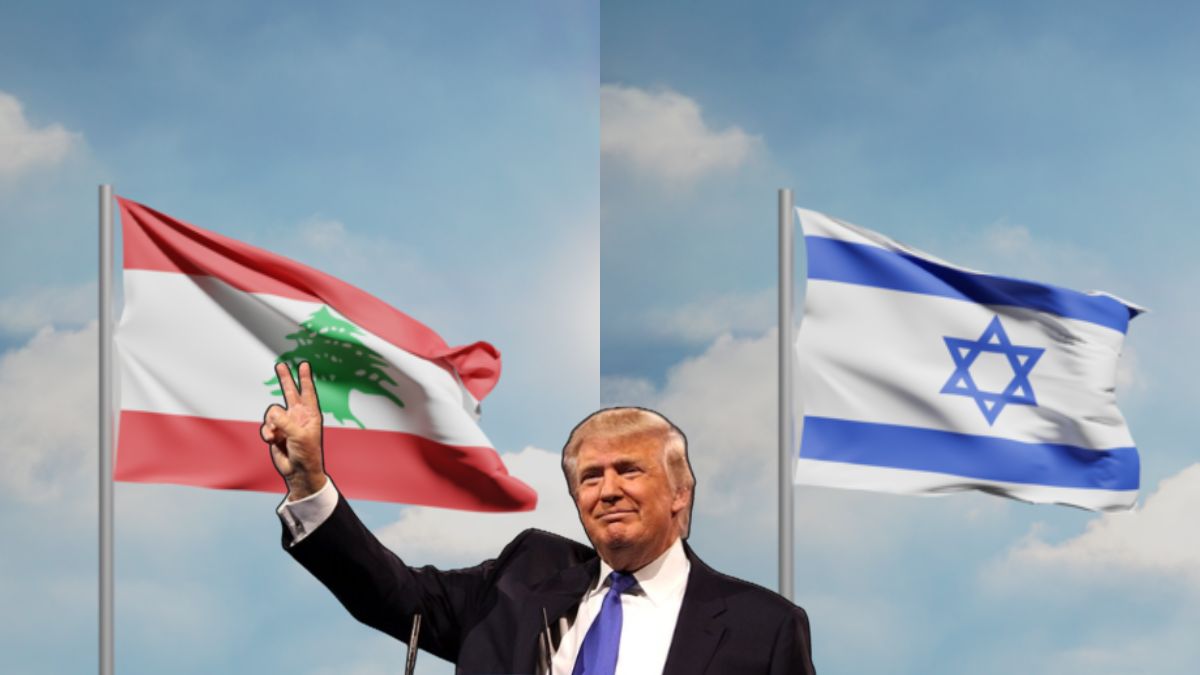
Iran Targets Tel Aviv in 10th Missile Wave as UAE Intercepts Missiles and Drone, But Saudi Refinery Hit Badly
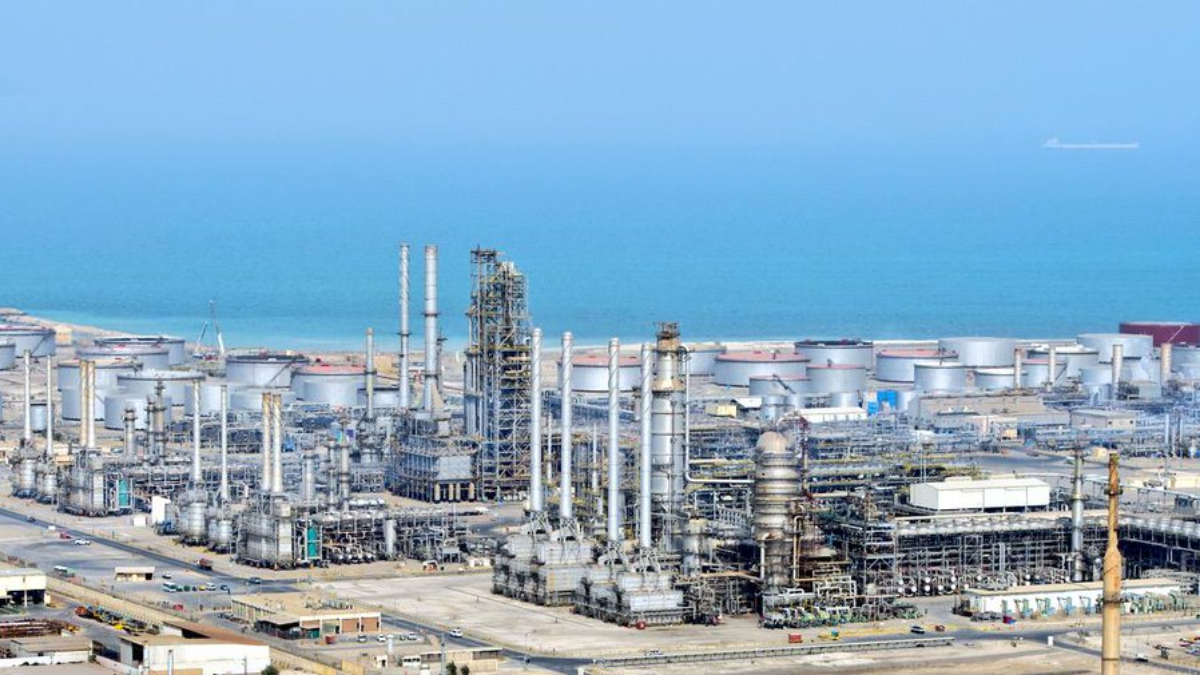
Image courtesy: X/ @saudi_aramco

Iran carried out its 10th wave of missile attacks on Israel under the ‘True Promise 4’ operations, claiming to hit government buildings in Tel Aviv and East Jerusalem on Monday (March 2, 2026).
Neighbouring UAE bore the brunt of Iranian fury, as it intercepted 817 drone strikes and destroyed 172 ballistic missiles on the same day, in Iranian retaliatory strikes against American military assets in West Asia.
Meanwhile, Saudi Arabia’s world’s largest Ras Tanura oil refinery was hit in an Iranian drone attack, resulting in major fires in the facility, forcing a temporary shutdown of operations.
All of these were a fallout of the Saturday (February 28, 2026) US-Israel air strikes inside Iran that killed Supreme Leader Ayatollah Ali Khamenei when his office compound was hit in the military operations
How IRGC Fired 10th Missile Wave at Israel
Iran’s Islamic Revolutionary Guard Corps (IRGC) said its fresh missile attacks on Israel hit Tel Aviv’s government complex, apart from security facilities at Haifa and East Jerusalem.
As part of the IRGC’s ‘True Promise 4’ military operations, Iran fired several Khaybar missiles, calling the attacks “opened doors to a massive inferno” inside Israeli territory.
The IRGC statement warned residents of Israeli territory to immediately evacuate the areas near military bases, security installations, and government facilities to avoid becoming casualties in Iranian attacks.
The attack came soon after the IRGC said, “siren sounds in Israel would never cease,” indicating Iran would fire a continuous barrage of missiles and rockets.
Tasnim News reported that “illegal settlers” should stay clear of military or administrative buildings and “evacuate immediately from the occupied territories” to avoid becoming a casualty in the missile volleys from Iran.
How IDF Targeted Iranian Intelligence Top Brass in Operations
Meanwhile, the Israel Defence Forces (IDF) announced it eliminated top-tier members of the Iranian regime’s Ministry of Intelligence during a military offensive dubbed Operation Roaring Lion.
IDF statement on X on Monday (March 2, 2026 said the strikes targeted high-ranking figures within Tehran’s intelligence community.
Among those killed in IDF action were Sayed Yahya Hamidi, the deputy minister of intelligence for Israel affairs, who had been conducting terrorist attacks on Jews, Western military facilities, and opponents of the Iranian regime abroad.
Also, dead was Jalal Pour Hossein, the head of the espionage division, the IDF said, adding the mission was “guided by precise IDF intelligence.”
The IDF said more senior officials were also eliminated in its military operations, noting that the Israeli Air Force struck the Iranian intelligence ministry’s headquarters in Tehran.
How the UAE Bore the Brunt of Iranian Fury
Among the Iranian neighbours in West Asia, the United Arab Emirates (UAE) faced major fury from Tehran, as the latter’s retaliatory strikes focused on firing missiles and drones at American military installations in the UAE.
The UAE air defence reportedly destroyed 172 ballistic missiles. It intercepted 817 drones that were fired at its territory by Iran on Sunday (March 1), as it defended its people and migrants living and working there from becoming casualties in the West Asian conflict between Iran and the US-Israel combine.
However, the Iranian attacks led to three deaths — a Pakistani, a Nepali, and a Bangladeshi — within the UAE, the Khaleej Times reported. Another 58 persons, including migrants and tourists from other nations, including India, were injured in the Iranian attacks on the UAE.
Satellite images showed that the UAE faced the worst Iranian missile and drone attacks, with thick smoke rising over parts of Dubai, indicating damage to infrastructure over its skyline.
On Sunday (March 1), the UAE air defence intercepted 311 drones, destroyed 20 ballistic missiles, and downed another eight into the sea, stopped two cruise missiles, the Khaleej Times reported. However, 21 Iranian drones hit civilian infrastructure inside the UAE, resulting in casualties and injuries.
On Saturday (February 28), about 165 ballistic missiles from Iran targeted the UAE, but were detected by the country’s air defence systems and intercepted. Of these, 152 missiles were destroyed, and another 13 fell into the sea. The UAE’s air defence systems also identified two cruise missiles and destroyed them in the air.
Another 541 Iranian drones were fired on Saturday (February 28), but 506 were intercepted and destroyed, while another 35 drones breached the air defence and caused material damage on the ground.
The UAE authorities asserted that their air defence forces were alert, prepared, and ready to stop any threats to their people and visitors. It also urged the people to trust only official information provided by the UAE government and to avoid circulating unverified information to prevent any panic.
The Iranian attacks on the UAE also resulted in partial damage to the Dubai airport, one of the world’s busiest, after a suspected drone attack on its main terminal buildings.
How Saudi’s Refinery was Hit and Temporarily Halted Operations
In Saudi Arabia, the world’s largest oil refinery, the Ras Tanura, was hit by Iranian drones, resulting in a major fire breaking out at the facility, forcing authorities to temporarily halt operations there
Operated by Saudi Aramco, Ras Tanura produced over 550,000 barrels of crude oil per day and served as a critical hub for the kingdom’s oil exports.
Aramco authorities were assessing the extent of damage to the oil refinery after suspending operations until a clearer picture of the destruction was known. However, no information on any casualties at the refinery has been reported yet.
The Ras Tanura attack demonstrated how the West Asian conflict could crash the crude oil markets, threatening the world’s energy security, combined with the stoppage of navigation in the Hormuz Strait, which is a major choke point to maritime trade from the West Asian region.
“This is a significant development that could provoke further military responses from the US, Israel, or Saudi-led coalitions,” said one top Saudi government source, emphasising the geopolitical sensitivity of the strike.
The Ras Tanura facility is not only vital for global oil supply but also a symbol of Saudi Arabia’s energy dominance, and attacks on it could have wider implications for global energy markets, they said.
The Iranian strikes on Ras Tanura came at a critical moment for the global oil market, as crude prices have surged to levels not seen in the last four years after the US-Israel air strikes on Iran on Saturday (February 28) and the retaliatory strikes all over West Asia by Tehran the same day, apart from the closure of the Hormuz Strait disrupting oil shipments.