New Delhi An Essential Partner: Top US Official Calls India ‘Indispensable’ Power After Jaishankar-Rubio Talks
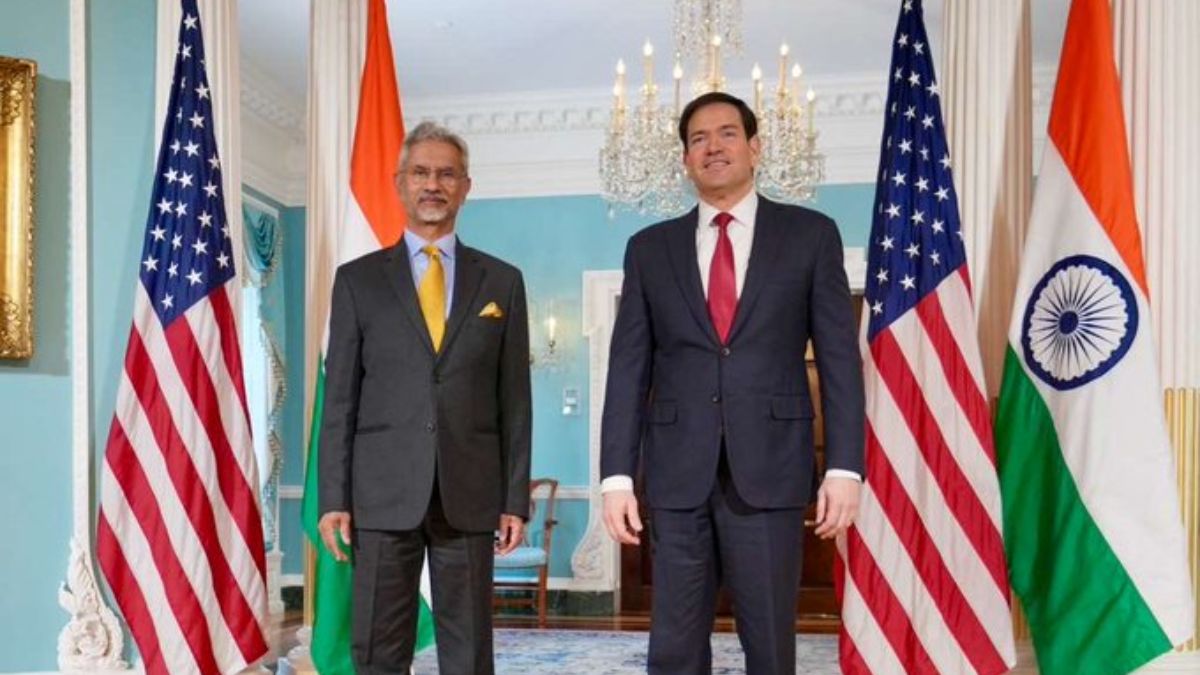
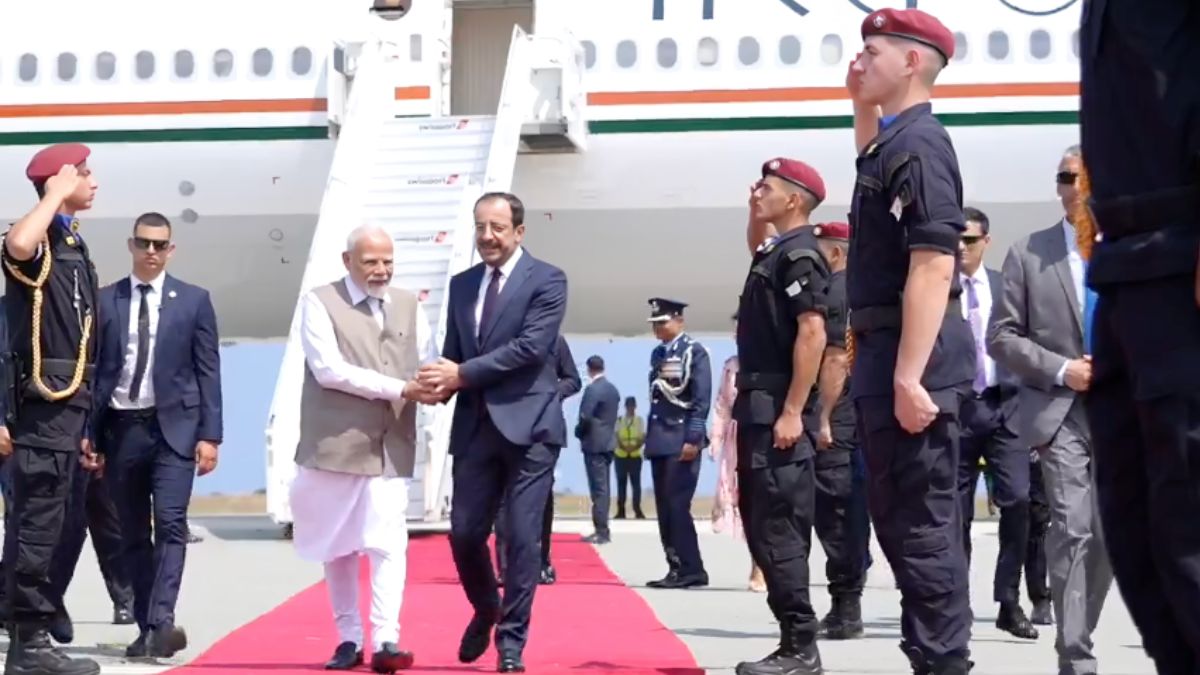
EAM Jaishankar held a detailed phone call with US Secretary of State Marco Rubio, focused on the ongoing West Asia conflict. Image courtesy: X.com/@ANI

As tensions escalate across West Asia and global markets reel under uncertainty, India and the United States have intensified diplomatic and strategic coordination, signalling the growing importance of their partnership in navigating simultaneous crises in the Middle East and the Indo-Pacific.
From high-level calls between External Affairs Minister S Jaishankar and US Secretary of State Marco Rubio to a strong endorsement of India’s global role by a visiting senior US official, the engagement reflects a relationship increasingly shaped by shared interests and geopolitical realism.
US Under Secretary of War for Policy Elbridge Colby on Tuesday (March 24, 2026) underlined that America First and Flexible Realism, Bharat First and India Way emphasise realistic approach to foreign policy. He also said the US’ assessment of Indo-American partnership has its roots in practicality and is a manifestation of what the national security strategy calls Flexible Realism.
Jaishankar-Rubio call: Focus on West Asia, energy and global markets
At the height of the West Asia crisis, Jaishankar held a detailed phone conversation with US Secretary of State Marco Rubio, with both sides focusing on the conflict’s widening economic and strategic impact.
“Our discussions focused on the West Asia conflict and its impact on the international economy. We particularly spoke about energy security concerns. Agreed to remain in touch,” Jaishankar said in a post on X.
The timing of the call is significant, as fears grow over disruptions in oil supplies, volatility in global markets, and the potential fallout from escalating hostilities involving Iran, Israel, and the United States. The outreach also comes amid mixed signals from Washington and Tehran on possible diplomatic engagement.
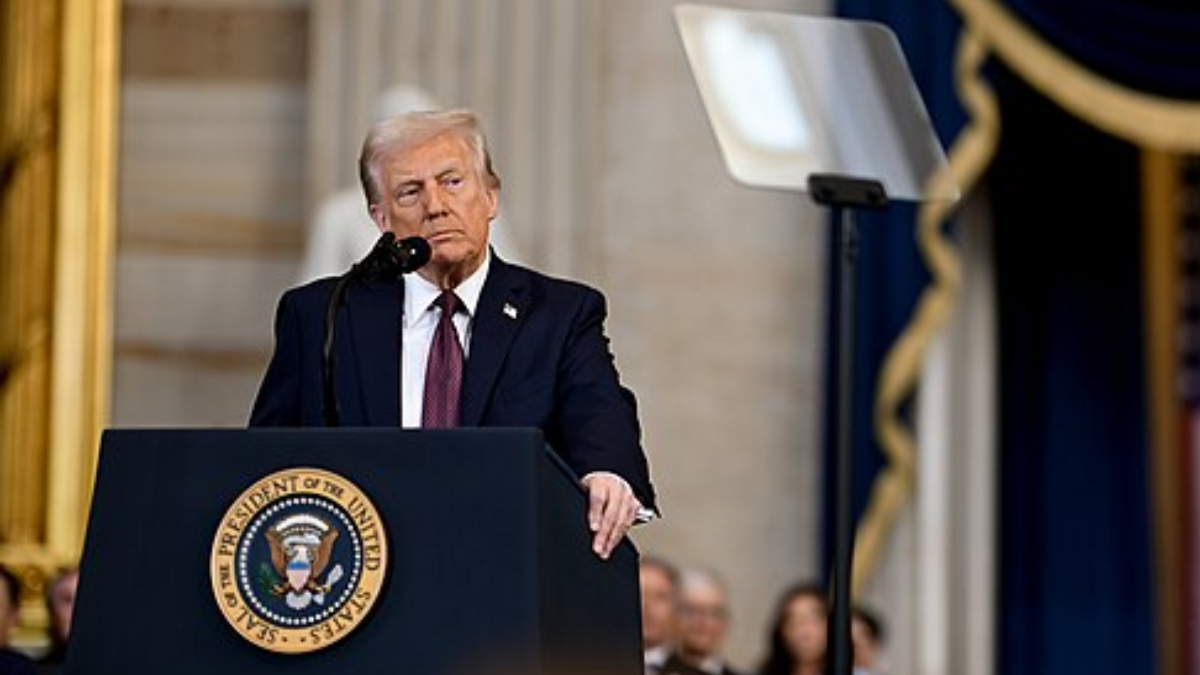
US President Donald Trump recently claimed “productive conversations” with Iran had led to a pause in planned strikes on Iranian energy infrastructure. However, Tehran has firmly denied any such talks, accusing Washington of spreading misinformation to influence global oil and financial markets.
Why India-US coordination matters now
With the Strait of Hormuz under watch and energy infrastructure increasingly targeted, both India and the US face high stakes, from fuel security to economic stability. India, a major energy importer, and the US, a key global security actor, are aligning more closely to assess risks, stabilise markets, and maintain communication channels amid rapidly evolving conflict dynamics.
Even as diplomatic engagement continues, a visiting senior US official has underlined the long-term strategic depth of the relationship. US Under Secretary of War for Policy Colby, currently in India, described New Delhi as “essential” to maintaining a favourable balance of power in Asia.
‘India is essential, not just a partner’
“The United States sees India not merely as a key partner, but as an essential one,” he said, emphasising that India’s role is critical in shaping the future of the Indo-Pacific and the broader international order.
Colby outlined Washington’s approach to the partnership as rooted in what it calls “Flexible Realism” – a pragmatic, interest-driven strategy shaped by evolving geopolitical realities rather than idealistic frameworks. He noted that both countries share a fundamental belief that sovereign nations must shape their own futures, and that cooperation should be based on overlapping interests rather than rigid alignment.
Importantly, he acknowledged India’s strategic autonomy, stressing that the US seeks “self-assured partners, not dependencies.”
Indo-Pacific at the core of strategic convergence
While the West Asia crisis dominates immediate concerns, the broader India-US partnership remains anchored in the Indo-Pacific, a region which is now seen as the central theatre of global power competition. Colby highlighted that no single country can maintain stability in the region, making India’s geographic position and growing capabilities indispensable.
“India sits astride the Indian Ocean, the connective tissue of the Indo-Pacific,” he said, adding that both nations benefit from a region where no single power dominates.
‘Bharat First’ meets ‘America First’
Drawing parallels between Jaishankar’s “Bharat First” doctrine and Washington’s “America First” approach, the US official said both countries are aligned in prioritising national interests through a realistic, results-oriented foreign policy. This convergence, he argued, provides a stronger and more sustainable foundation for cooperation, even when differences persist.
The senior US official further noted that EAM Jaishankar affirmed the enduring appeal of nationalism and assessed that a nationalistic foreign policy outlook is likely to approach the world with more confidence and greater realism. “He announced that creating a stable balance in Asia is India’s foremost priority. From our point of view, exceptionally well said.”
“Both of us believe that foreign policy grounded in concrete national interests creates a stronger and more self-sustaining foundation for cooperation and indeed for peace. Both of us believe that a durable and stable balance of power in Asia is a topmost priority.”
Colby also went on to highlight several key pillars framed in the spirit of Jaishankar’s admonition that the key is to develop and sharpen strategic clarity. First, the United States and India do not need to agree on everything to cooperate effectively. “What matters most is that our interests and objectives increasingly converge on the most fundamental issues,” he added.