




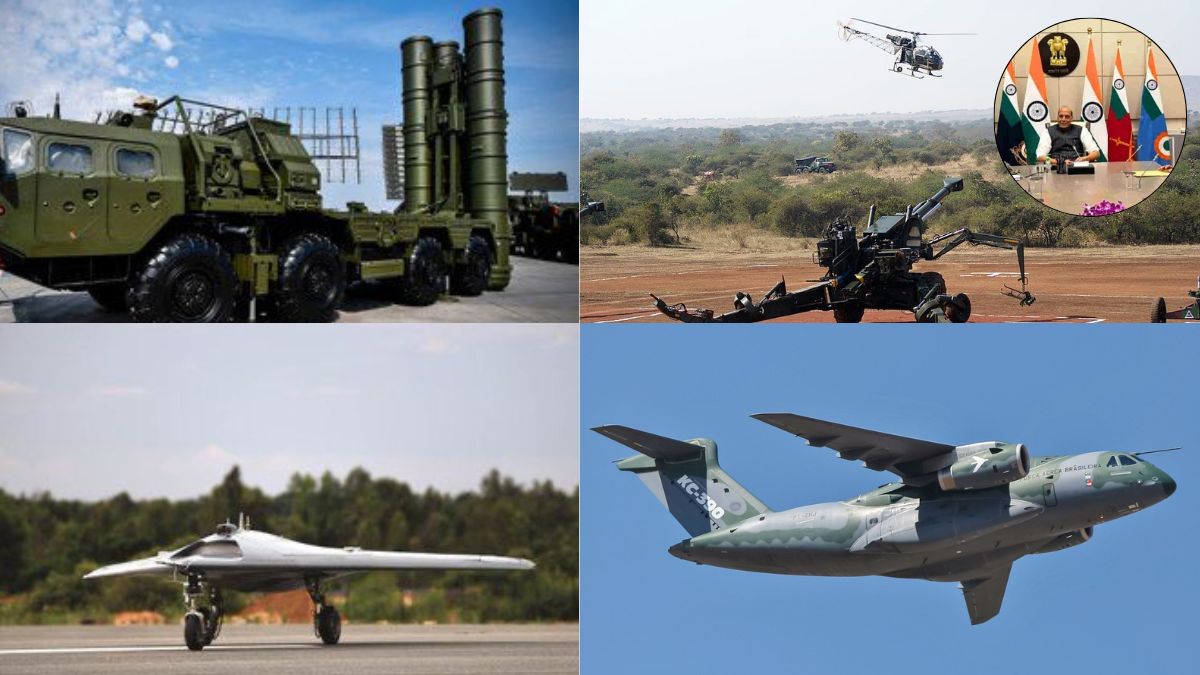
India Releases New Framework For Drone Security Vulnerabilities To Tighten Warfare Doctrine
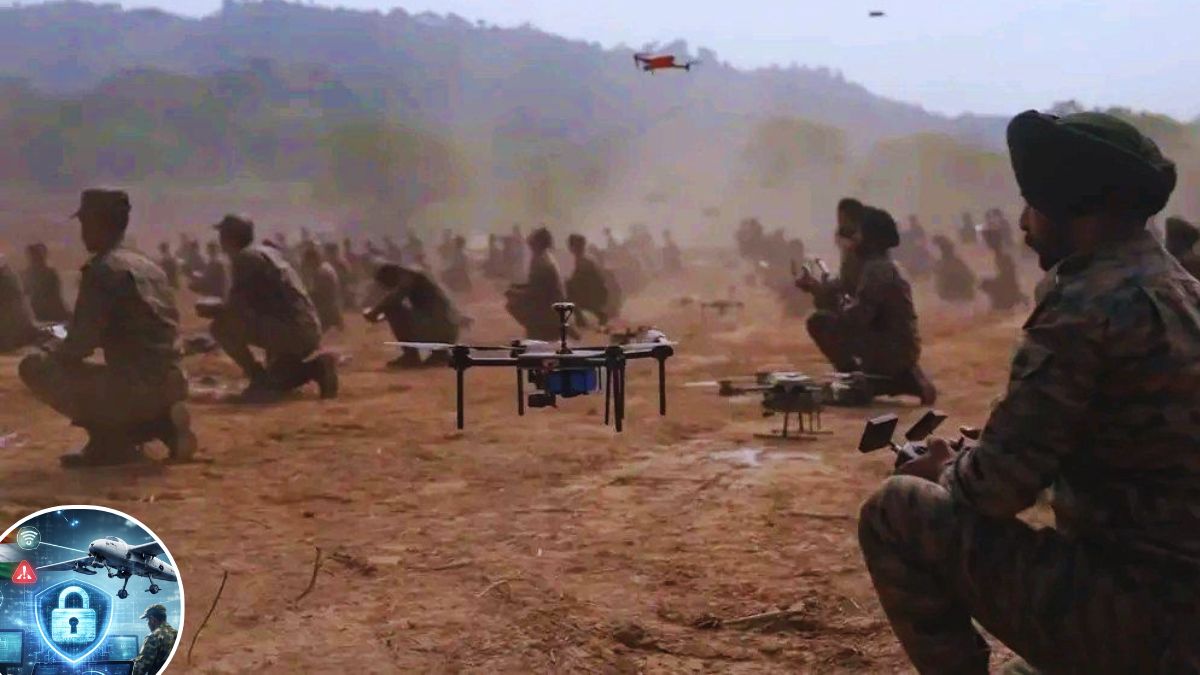
Indian Army troops train with drones on the ground, reflecting the growing focus on securing unmanned systems against emerging cyber and battlefield threats. Image courtesy Representative Image /Indian Army

India has taken a step towards securing the rapidly growing drone warfare, releasing a new framework to detect and neutralise security vulnerabilities arising out of the unmanned systems in modern military conflicts.
The ‘Framework for Testing Security Vulnerabilities in Drones’, developed through extensive consultations among the armed forces, government agencies, military industry, and academia, was released on Wednesday (March 25, 2026).
The document reflected a strategic shift in how India viewed drone warfare as not just a tactical threat, but also as a potential liability if left unsecured.
The lessons from recent global conflicts and the Indian experience during the May 2025 Operation Sindoor against Pakistan, where drones played a critical role on the battlefield for surveillance, precision strikes, and asymmetric warfare, resulted in the drafting of the framework, according to Indian Ministry of Defence officials.
The framework noted that the drones were also highly susceptible to cyber intervention, signal interference, and data exploitation, raising concerns about operational integrity and national security.
It recognised that drones functioned as Information and Communication Technology (ICT) devices and every communication link between the drone, its ground control station, and networked systems created a potential entry point for the adversaries.
The document highlighted a particularly alarming scenario: adversaries taking full control of a drone mid-mission. “Such control hijacking could allow hostile actors to redirect drones, manipulate payloads, or extract sensitive reconnaissance data, turning a military asset into a liability,” the framework noted.
The threat vectors included interception of communication links, GPS spoofing, control hijacking, and malware insertion into the firmware, it said.
To counter these risks, the framework identifies critical components most vulnerable to exploitation. These include the flight controller, firmware, communication modules (Tx/Rx units), GPS/INS systems, sensors, and ground control software.
“A compromise in any of these elements could lead to mission failure, data breaches, or even physical destruction of the drone,” the framework concluded.
As an interim solution, the framework mandated rigorous testing and certification of drone components through government-approved laboratories.
This included hardware validation, penetration testing of software, cryptographic checks, and secure boot verification to ensure that only trusted firmware is executed.


