Products Worth Rs 8000 Cr Sourced Internationally: Parliamentary Panel Flags Heavy Dependence On Metal, Alloy Import
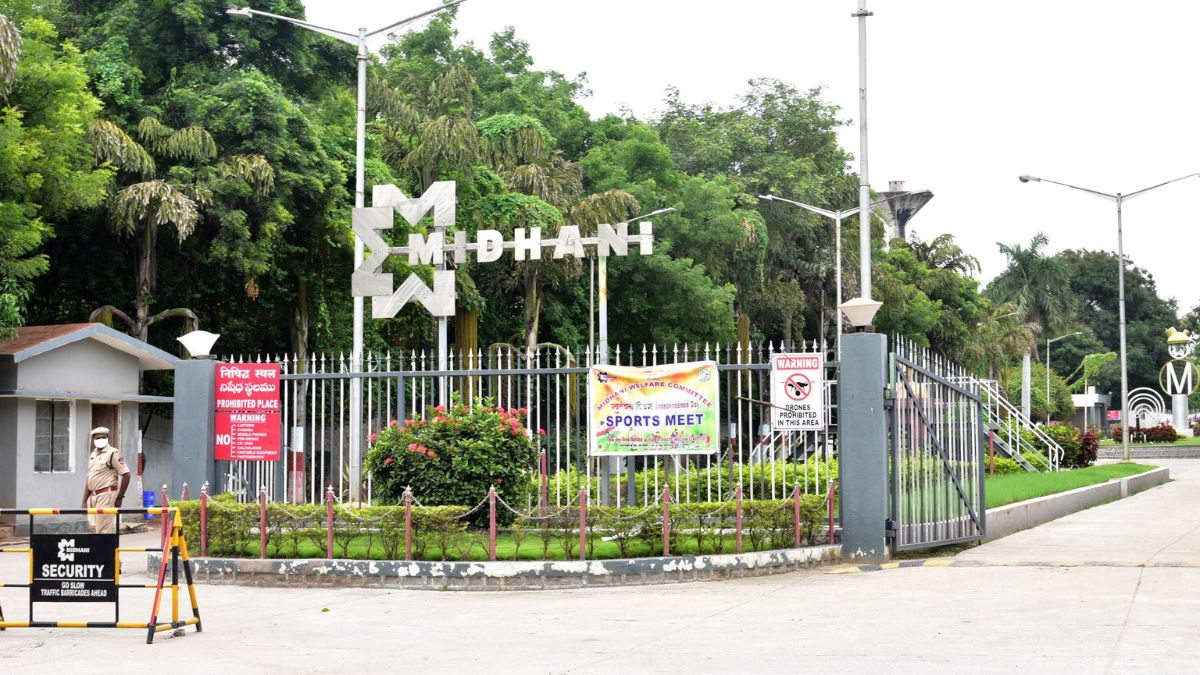
Midhani also remains dependent on imports of critical raw materials such as nickel, cobalt, molybdenum and tungsten due to limited domestic availability. Image courtesy: Midhani

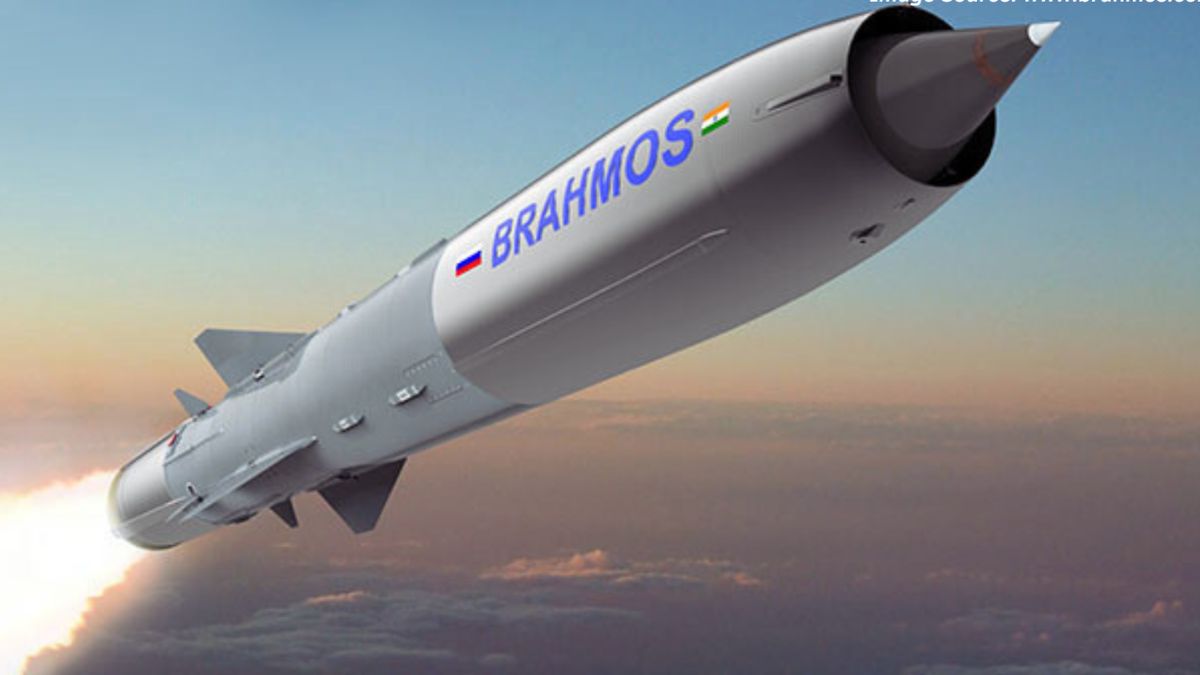
A Parliamentary Standing Committee has flagged that a large share of specialised metals and alloys used in missiles, rockets and defence systems continues to be imported, in a significant observation that has implications for India’s strategic autonomy. The report was tabled in Parliament by the Committee on Public Undertakings chaired by BJP MP Baijayant Panda.
It revealed that products worth nearly Rs 8,000 crore – well within the manufacturing domain of state-run Mishra Dhatu Nigam Limited (Midhani) – are still being sourced from international markets. This comes despite India’s long-standing push for defence indigenisation and self-reliance.
Is this dependence a strategic concern?
The reliance on foreign sources for critical materials like nickel, cobalt, molybdenum and tungsten raises concerns beyond economics, and touches on national security. This is because these metals are essential for high-performance applications in aerospace, electronics, and missile systems, according to a report in The Tribune.
In times of geopolitical tension or supply chain disruptions, such dependencies could expose vulnerabilities in India’s defence preparedness. The report highlights that limited domestic availability of these raw materials remains a key bottleneck.
What did the committee find about Midhani’s capabilities?
Interestingly, the committee acknowledged that state-run Midhani possesses advanced technological capabilities and a diversified alloy portfolio capable of producing many of these materials domestically. Established in 1973 with the aim of achieving self-reliance in strategic materials, the company remains central to India’s defence manufacturing ecosystem.
However, despite an order book of around Rs 1,800 crore, there exists a stark mismatch when compared to the Rs 8,000 crore worth of similar products being imported, indicating untapped potential within the domestic industry.
A key concern flagged in the report is the underutilisation of existing capacity. Despite investing over Rs 323 crore to expand production capabilities, Midhani’s capacity utilisation has remained modest. Between 2015 and 2020, utilisation levels hovered around 5%, while melting and forging capacities recorded even lower usage of around 44-45%.
This suggests a gap between infrastructure creation and actual demand alignment, raising questions about planning efficiency and industrial coordination.
Does ageing infrastructure need urgent modernisation?
The committee also pointed to ageing equipment, much of which was commissioned between 1974 and 1983, calling for immediate technological upgrades. Modernising these facilities is crucial not only for improving output but also for ensuring global competitiveness in high-value alloy production.
While Midhani has taken steps by commissioning 24 new facilities, the report indicates that more needs to be done to fully leverage its capabilities and meet domestic demand.
Despite the challenges, Midhani’s recent performance offers some optimism. The company has recorded a sharp rise in exports, from Rs 37 crore in 2022-23 to Rs 94 crore in 2024-25, expanding its footprint across Europe, the United States and Asia. This growth signals global confidence in India’s specialised materials sector and highlights the potential for scaling up production if structural issues are addressed.