China Steps In: Pakistan-Afghanistan Talks Resume In Urumqi Amid Renewed Clashes And Failed Ceasefires
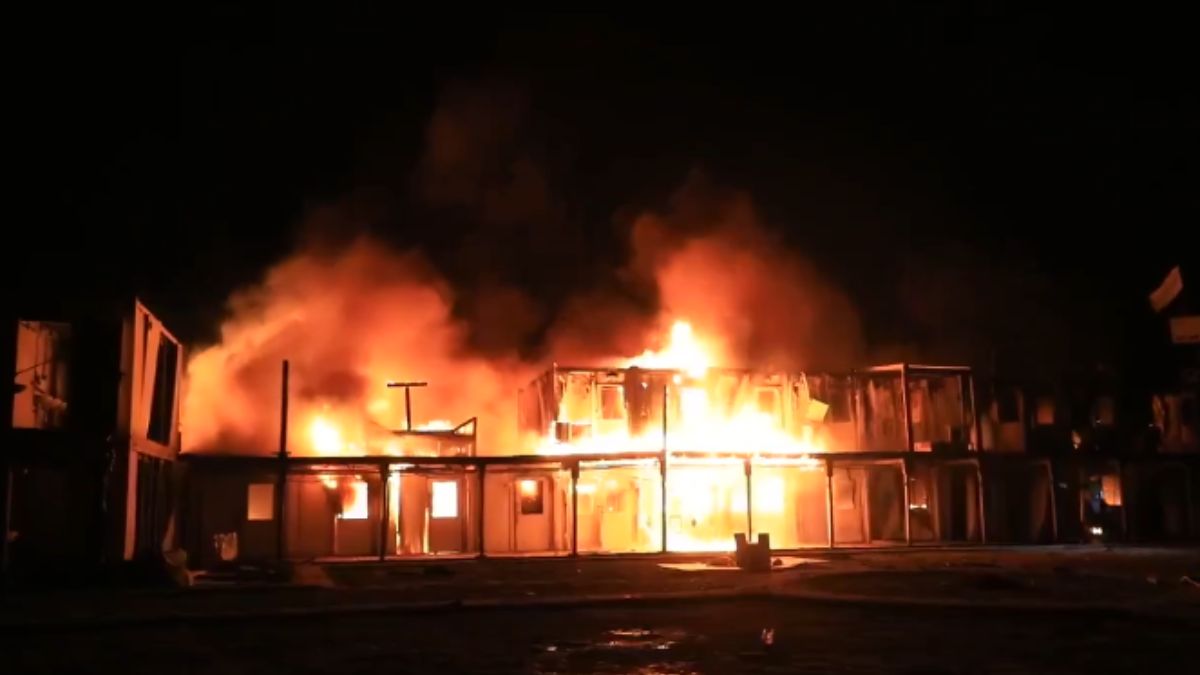
Pakistan accuses Afghanistan of providing a safe haven for militants who carry out attacks inside Pakistan, especially for the Pakistani Taliban. Image courtesy: X.com

In a fresh diplomatic push to stabilise one of South Asia’s most volatile flashpoints, Pakistan and Afghanistan’s Taliban-led government have resumed talks in China, raising cautious hopes of a ceasefire after weeks of escalating violence. The negotiations, being held in Urumqi, come against the backdrop of repeated breakdowns in past ceasefire efforts.
After more than a month of sustained fighting, both sides have accepted China’s offer to mediate, signalling a recognition that the conflict risks spiralling further without external intervention.
The current round of talks is aimed at securing a durable ceasefire, according to officials familiar with the discussions cited by news agency AP. While neither Islamabad nor Kabul has formally confirmed the negotiations, sources indicate that the dialogue is being viewed as a critical opportunity to prevent further escalation.
Pakistan-Afghanistan conflict: What triggered the latest escalation in tensions?
The current crisis traces back to a series of high-intensity clashes earlier this year. In February, Pakistan declared it was in “open war” with Afghanistan, marking a sharp deterioration in ties.
Tensions further escalated after Kabul accused Pakistan of carrying out an airstrike on a drug rehabilitation hospital in the Afghan capital, allegedly killing hundreds. Pakistan has strongly denied targeting civilians, maintaining that its strikes were aimed at terrorist infrastructure.
For millions living along the porous border, the ceasefire talks in China offer a potential pause in hostilities that have disrupted daily life and heightened insecurity.
What are the core disputes between the two sides?
At the heart of the conflict lies Pakistan’s long-standing accusation that Afghanistan provides safe haven to the Tehrik-i-Taliban Pakistan (TTP), a militant group responsible for attacks inside Pakistan. While the TTP is distinct from the Afghan Taliban, the two share ideological and operational links.
Kabul, however, has consistently denied offering any support or sanctuary to the group. This fundamental disagreement continues to derail peace efforts, with both sides unwilling to concede ground on security concerns.
Why have previous ceasefire efforts failed?
The latest talks follow a series of unsuccessful diplomatic attempts. A Qatari-mediated ceasefire in October briefly halted hostilities but eventually collapsed, while talks in Istanbul in November failed to produce a lasting agreement.
Even the temporary truce during Eid al-Fitr earlier this year proved short-lived, with fighting resuming soon after, albeit at a lower intensity.
What role is China playing in Pakistan-Afghanistan mediation?
China’s involvement marks a significant geopolitical development. By hosting the talks in Urumqi, Beijing is positioning itself as a key regional stabiliser, particularly as instability along the Pakistan-Afghanistan border threatens broader security and economic interests. However, China has not officially commented on the talks.
The ongoing conflict has raised alarms globally, especially given the presence of transnational militant groups like al-Qaida and the Islamic State, which could exploit instability to regroup.
For the region, prolonged hostilities risk not only humanitarian crises but also wider security spillovers, making a durable ceasefire increasingly urgent.
The latest round of talks began after both sides accepted China’s offer to mediate to end the fighting, as per the sources cited by AP. The two sides will continue their talks on Thursday. China has urged both sides to resume dialogue since late February, and its special envoy, Yue Xiaoyong, met his Pakistani counterpart, Mohammad Sadiq, last month after visiting Kabul.