UAE Ties With Pakistan Under Strain After Islamabad’s Iran Tilt
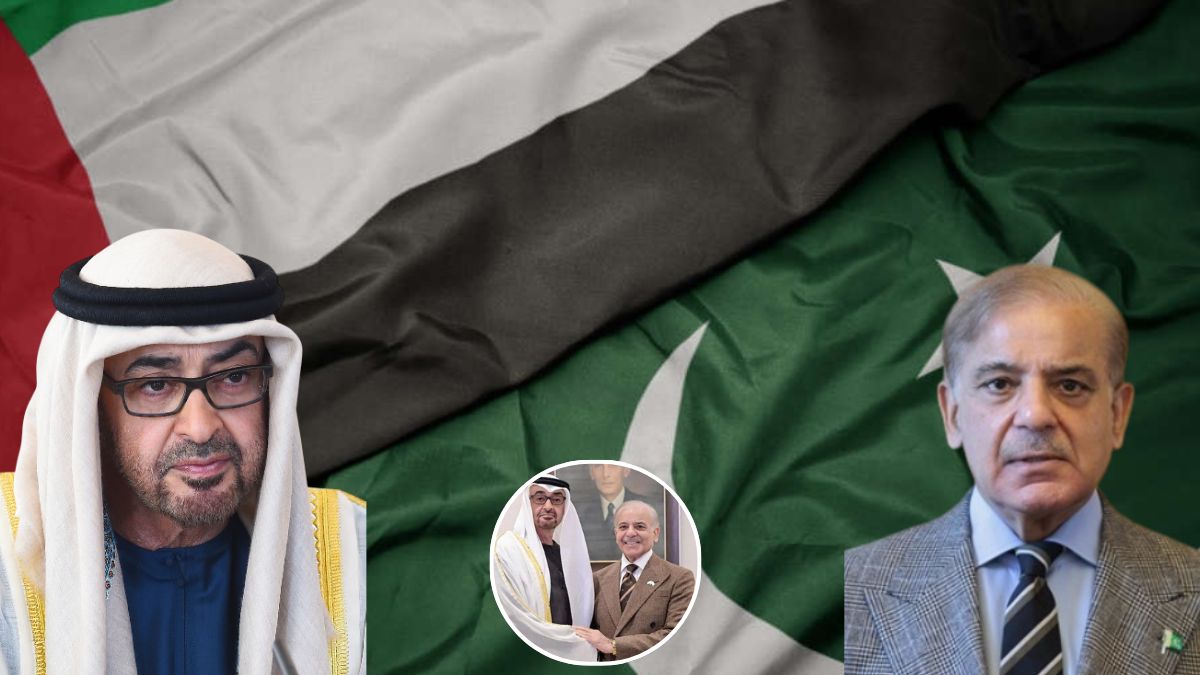
Strains emerge in UAE-Pakistan ties as Islamabad’s Iran tilt draws sharp concern from Abu Dhabi, signalling wider geopolitical shifts in the Gulf. Image courtesy: RNA

Pakistan’s Iran tilt in the West Asian war seems to have fractured its ties with the United Arab Emirates, another Gulf nation that came under missile attack from Tehran during retaliatory strikes against the US and Israel.
While Pakistan was attempting a balancing act in West Asia, this position seems to have triggered troubles for Islamabad with Abu Dhabi.
What did the UAE tell Pakistan on its Iran support?
After Pakistan was seen as supporting Iran, the UAE expressed strong displeasure with Islamabad after it came under attack from Tehran in the immediate aftermath of the US-Israel airstrikes on February 28 that killed Supreme Leader Ayatollah Ali Khamenei and thereafter.
According to reports, Pakistan Army chief Asim Munir met with Prime Minister Shehbaz Sharif on Thursday (April 2, 2026) at the latter’s office when the former conveyed concerns of the UAE expressed during his visit to Abu Dhabi recently.
What was the UAE’s main concern regarding Islamabad’s support to Tehran?
The UAE, reports said, questioned Pakistan’s position in the West Asian conflict, particularly the perceived closeness to Tehran, despite Abu Dhabi coming under attack as a direct fallout of the war.
“Iran hit the UAE hard for no reason, and Pakistan is supporting Tehran,” the UAE leadership reportedly conveyed to Munir.
What did the UAE President Convey to Munir?
UAE President Sheikh Mohamed bin Zayed Al Nahyan told Munir, when they met, in the presence of the former’s National Security Adviser Tahnoun bin Zayed Al Nahyan and other officials.
The UAE leadership was particularly upset with Pakistan for engaging extensively with Saudi Arabia, another Gulf nation that came under Iranian attack, but had not similarly reached out to Abu Dhabi.
“Pakistan’s prime minister and you (Munir) visited Saudi Arabia multiple times in solidarity, but did not show the same support for the Emirates,” the UAE leadership told Munir.
What was the UAE’s message to Pakistan on supporting Iran?
The UAE officials noted that it suffered significant damage during the war but did not receive visible political backing from Islamabad.
“We have been damaged more than anyone else in this war, but unfortunately, Pakistan didn’t show up or visit the Emirates,” they said.
The UAE was further upset with Pakistan for hosting a foreign ministers’ meet in Islamabad without consulting Abu Dhabi.
This was seen as Pakistan taking a clear position aligned with Iran while not adequately acknowledging the impact on the UAE.
“The UAE has always stood with Pakistan, but in this tough time, Islamabad appears to prefer Saudi Arabia and Iran. Why?” a source quoted the Emirati side as saying.
How do the UAE’s concerns impact Pakistan economically?
The UAE’s misgivings about Pakistan’s support for Iran could have an impact on the economic support that Abu Dhabi provides Islamabad, especially during the latter’s financial crisis.
“We understand your defence agreements with Saudi Arabia, but the UAE has repeatedly bailed out Pakistan economically,” the UAE leadership is believed to have pointed out to Munir.
What could be the possible fallout of the UAE-Pakistan tensions?
The present diplomatic strain between the UAE and Pakistan over Iran could have significant economic fallout, as Islamabad is heavily dependent on the Gulf nations for financial bailouts.
Pakistan feared that the UAE may consider asking it to return the nearly $2 billion aid that was recently provided to bail out Islamabad during its financial crisis.
Such a move by the UAE could worsen the economic challenges faced by Pakistan, as Abu Dhabi is a key guarantor for Islamabad in the International Monetary Fund bailout programme.
How could the tensions impact the Pakistani diaspora?
Moreover, around 1.8 million Pakistani diaspora live and work in the UAE, and these migrant workers could face uncertainty if the disagreements between Islamabad and Abu Dhabi worsen and the diplomatic tensions escalate.
Islamabad’s “double standards” on its ties with Riyadh and Abu Dhabi vis-a-vis Iranian attacks since February 28 may have broader consequences for Pakistan at the strategic level too, as the UAE enjoys a strong and steady relationship with India.
The latest developments in the Pakistan-UAE relationship show how fragile Islamabad’s foreign policy choices in West Asia are and how it could adversely impact it if these tensions result in regional realignments.