
Radioactive Fallout Will End Life In GCC Capitals: Araghchi After US-Israeli Strikes On Bushehr Nuclear Plant
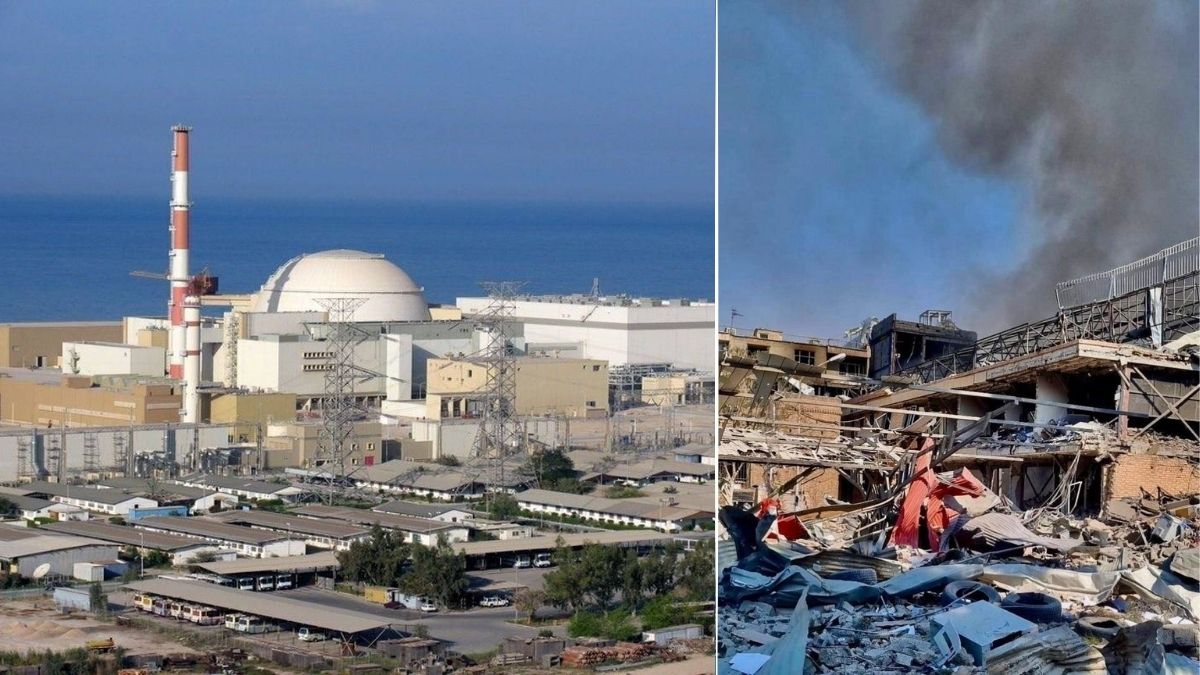
Araghchi has addressed a letter to UN Secretary-General, denouncing US-Israeli strikes on Iran's nuclear infrastructure. Image courtesy: RNA

Iran’s Foreign Minister Abbas Araghchi issued a stark warning over the consequences of continued strikes near the nuclear facility, including the latest on the Bushehr plant. He has even formally addressed a letter to UN Secretary-General Antonio Guterres, denouncing US-Israeli strikes on the country’s nuclear infrastructure.
While calling out these attacks on Iran’s nuclear facilities, Araghchi has also warned of contamination risk, saying, “Radioactive fallout will end life in GCC capitals, not Tehran.” He claimed that Israel-US have bombed our Bushehr plant four times now, since the war started late in February.
The West Asia conflict is entering a more dangerous phase, and the latest US-Israeli strikes near Iran’s Bushehr nuclear power plant have only triggered alarm across the region, raising fears of radioactive fallout and widening the scope of an already volatile war. Following such attacks, Iran is expanding its retaliation across the Gulf.
Bushehr nuclear plant: Is there a risk of contamination?
US-Israeli strikes targeted an area near Iran’s Bushehr nuclear power plant on Saturday (April 4, 2026), marking a significant escalation given the sensitivity of nuclear infrastructure. One guard was killed in the strike. Russia, which helped build and operate the facility, evacuated 198 workers.
This is the fourth such incident in recent weeks, amplifying concerns about potential risks. However, the International Atomic Energy Agency (IAEA) confirmed no rise in radiation levels so far.
Why is the Bushehr strike triggering global concern?
Iran’s Foreign Minister Abbas Araghchi issued a stark warning over the consequences of continued strikes near the nuclear facility. He said any potential fallout would not primarily affect Iran’s capital but its Gulf neighbours. Moreover, Bushehr’s geographical location makes the warning particularly serious, since it lies closer to Kuwait, Bahrain, and Qatar than to Tehran.
Therefore, any radioactive leak from the facility could impact densely populated Gulf cities within hours,
IAEA chief Rafael Grossi also cautioned, “NPP (nuclear power plant) sites or nearby areas must never be attacked.”
“The IAEA has been informed by Iran that a projectile struck close to the premises of the Bushehr NPP this morning, the fourth such incident in recent weeks. Iran also informed the IAEA that one of the site’s physical protection staff members was killed by a projectile fragment and that a building on site was affected by shockwaves and fragments. No increase in radiation levels was reported,” the statement read.
What is happening on the ground in Tehran?
Even as nuclear concerns mount, Iran’s capital continues to face sustained strikes. Multiple explosions were reported across Tehran, with a thick haze of smoke covering parts of the city skyline. Civilians are facing growing uncertainty and economic distress.
A resident, while talking to news agency AFP, described the situation starkly, “Things are really hard right now. You can’t even plan six hours ahead.”
Another added, “There’s really nothing we can do. We don’t have the power to change the situation.”
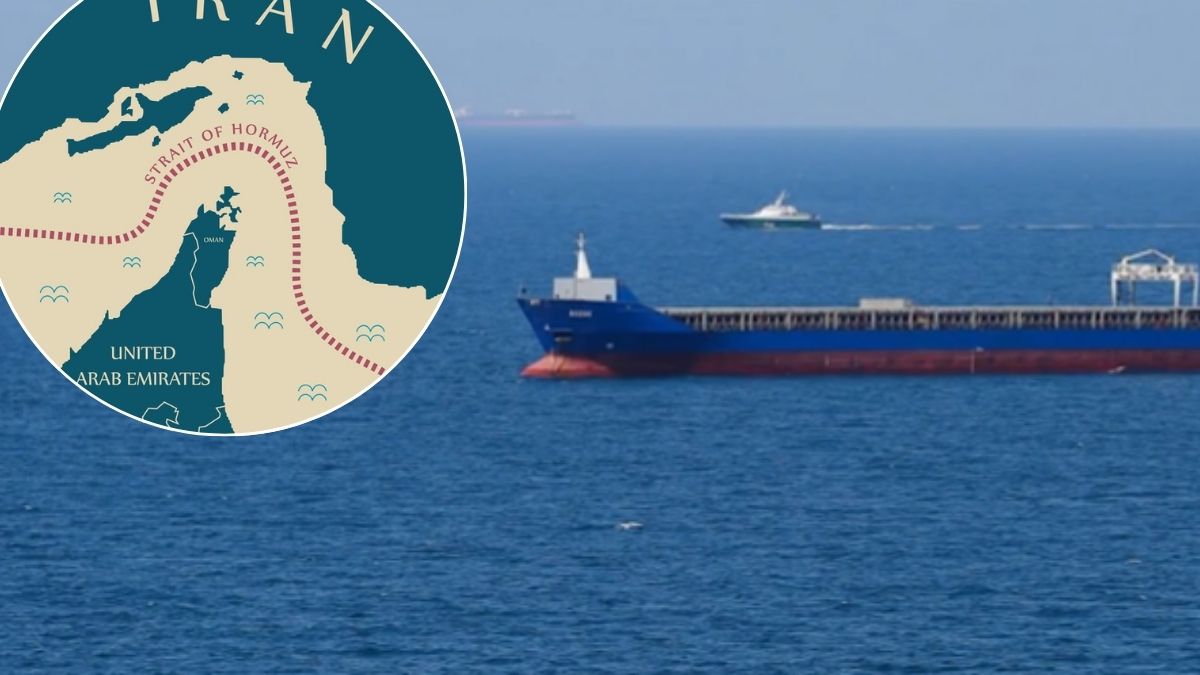
The conflict began over a month ago with US-Israeli strikes on Iran, which killed Supreme Leader Ali Khamenei, triggering a massive Iranian retaliation. Since then, the war has spread across multiple countries in West Asia, disrupted global energy supplies, especially through the Strait of Hormuz, triggered attacks on shipping, infrastructure, and military assets.
Why are nuclear risks now at the centre of the crisis?
The repeated targeting of areas near nuclear infrastructure has introduced a dangerous new dimension to the conflict. Even without immediate radiation leaks, the risk of escalation is significantly higher as any miscalculation could lead to environmental catastrophe. Moreover, Gulf nations face direct exposure due to proximity.
Meanwhile, Araghchi, in his letter to the UN Secretary General, wrote, “The repeated attacks by the aggressors in the vicinity of the active Bushehr nuclear power plant are of great concern. They expose the entire region to a serious risk of radioactive contamination with grave human and environmental consequences.”