


Iran Recalls Civilisational Bond With India As 7th LPG Tanker Transits Hormuz; Calls War A ‘Strategic Failure’ For US, Israel
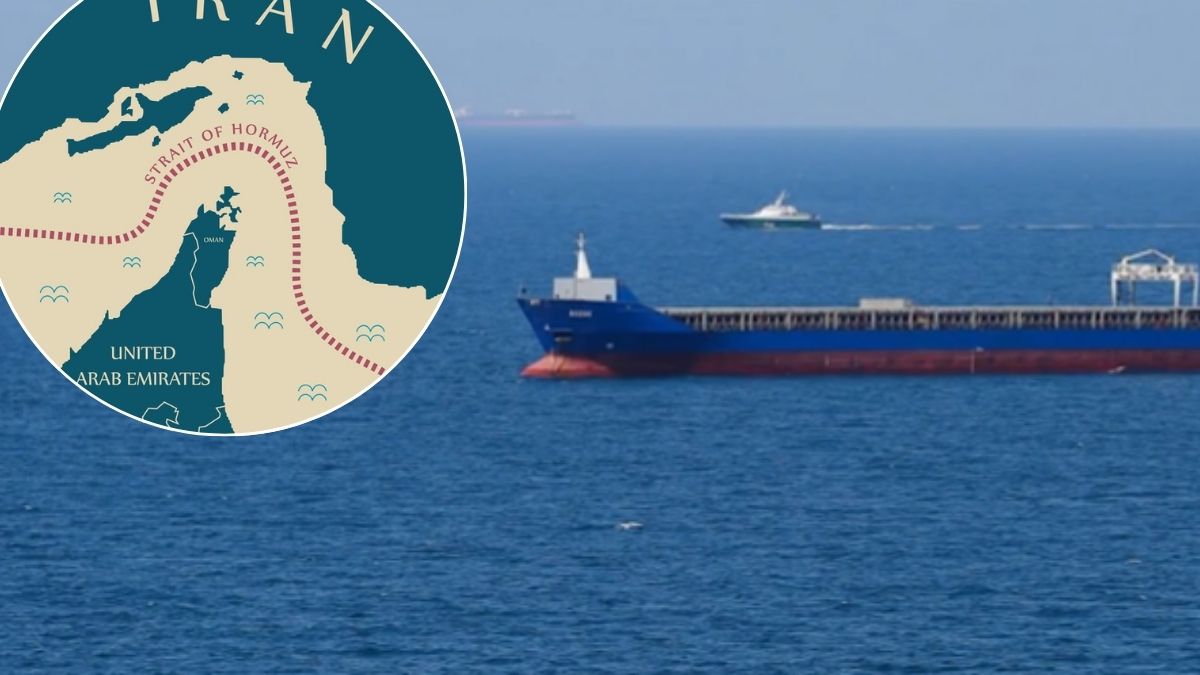
Before Green Saanvi, 6 vessels carrying LPG have reached Indian ports after crossing Hormuz. Image courtesy: RNA

It’s no secret that the global energy markets have been roiled by the ongoing US-Israel-Iran war, affecting the supply of oil and gas to several countries. However, India has managed to make way for itself, quite literally, thanks to its ancient ties with Iran which continue to bridge the gap between the two countries.
Amid the ongoing West Asia conflict, Iran has allowed Indian vessels to continue transiting the strategically critical Strait of Hormuz, even as the waterway remains effectively restricted for much of the world. Because of this, India has received its 7th ship carrying LPG through Hormuz.
On Friday (April 3, 2026), the India-flagged LPG tanker Green Sanvi, carrying 46,650 metric tonnes of fuel, successfully crossed the chokepoint, becoming the seventh such vessel to do so since the conflict escalated. The vessel has 25 seafarers on board.
Iran’s special message for India
As Green Sanvi transited the Strait of Hormuz, the Iranian Consulate in Mumbai marked the moment with a symbolic message, “India, and Gujarat in particular, hold a cherished place in our shared history; having graciously welcomed those from our land centuries ago”, underscoring centuries-old civilisational links, including maritime trade routes.
The Strait of Hormuz handles nearly 20% of global oil supply, making its disruption a major global concern. Despite the crisis, 6 Indian LPG vessels have already reached ports safely and a seventh has now crossed the route successfully. Around 17 Indian ships remain stranded west of the strait.
Iran’s decision to allow passage for “friendly nations”, including India, Russia, China, Iraq, and Pakistan, has provided a crucial buffer for New Delhi’s energy needs. Amid rising global oil prices hovering around $100 per barrel, this access is being seen as a major diplomatic and strategic win for India.
Gujarat Deputy CM Harsh Sanghavi summed it up, calling the tanker’s passage:
“One more ship. One more victory for Indian diplomacy.”
Is India importing Iranian oil again?
In a key clarification, the Indian government confirmed that crude supplies remain stable despite the crisis. The Petroleum Ministry stated, “Amid Middle East supply disruptions, Indian refiners have secured their crude oil requirements, including from Iran, and there is no payment hurdle for Iranian crude imports, contrary to the rumours being circulated.”
This marks the first official confirmation that India is accessing Iranian oil again following a US waiver aimed at stabilising global energy markets.
What message is Iran sending through its diplomatic outreach?
Tehran’s outreach to India goes beyond logistics, reflecting a broader geopolitical positioning. The Iranian Consulate emphasised, “Building on this enduring civilizational bond, we remain committed to further strengthening the ties of friendship and cooperation.”
At a time when Iran has blocked vessels from adversarial nations and is even considering imposing transit tolls, its openness toward India signals strategic trust, economic interdependence, diplomatic balancing amid global isolation.
Why Iran call US-Israel strikes a ‘strategic failure’?
Iran’s Ambassador to India, Mohammad Fathali, sharply criticised the ongoing military campaign by the US and Israel. In a post on X, he said, “A review of global think tanks, from the US and Europe to Asia, reveals a clear pattern: strategic failure for Israel and the US.”
He further added, “What stands out is an Iranian-Islamic civilizational resilience that turns pressure into endurance, and endurance into sustained strategic leverage.” The remarks come as the conflict enters a prolonged phase, with Iran continuing to demonstrate retaliatory capability despite sustained strikes.
How is the conflict escalating further?
Iran’s military leadership has issued strong warnings in response to US threats targeting critical infrastructure.
A spokesperson stated, “In response to the US President’s inflammatory rhetoric and his repeated threats regarding the destruction of bridges, power plants, and Iran’s electricity and energy infrastructure, we warn once again.” The warning extended beyond military retaliation, indicating potential strikes on strategic assets, economic infrastructure, even allied nations hosting US bases.
This comes after US President Donald Trump warned,”Our Military… hasn’t even started destroying what’s left in Iran. Bridges next, then Electric Power Plants!”
Meanwhile, US President Trump had earlier given a 10-day deadline to Iran on March 26 and the recent ultimatum came as it is due to expire on April 6. “As per Iranian Government request, please let this statement serve to represent that I am pausing the period of Energy Plant destruction by 10 days to Monday, April 6, 2026, at 8 P.M., Eastern Time.”


