As Strikes Continue, Israel And Lebanon Get Ready For Talks In Washington Next Week, But No Ceasefire With Hezbollah
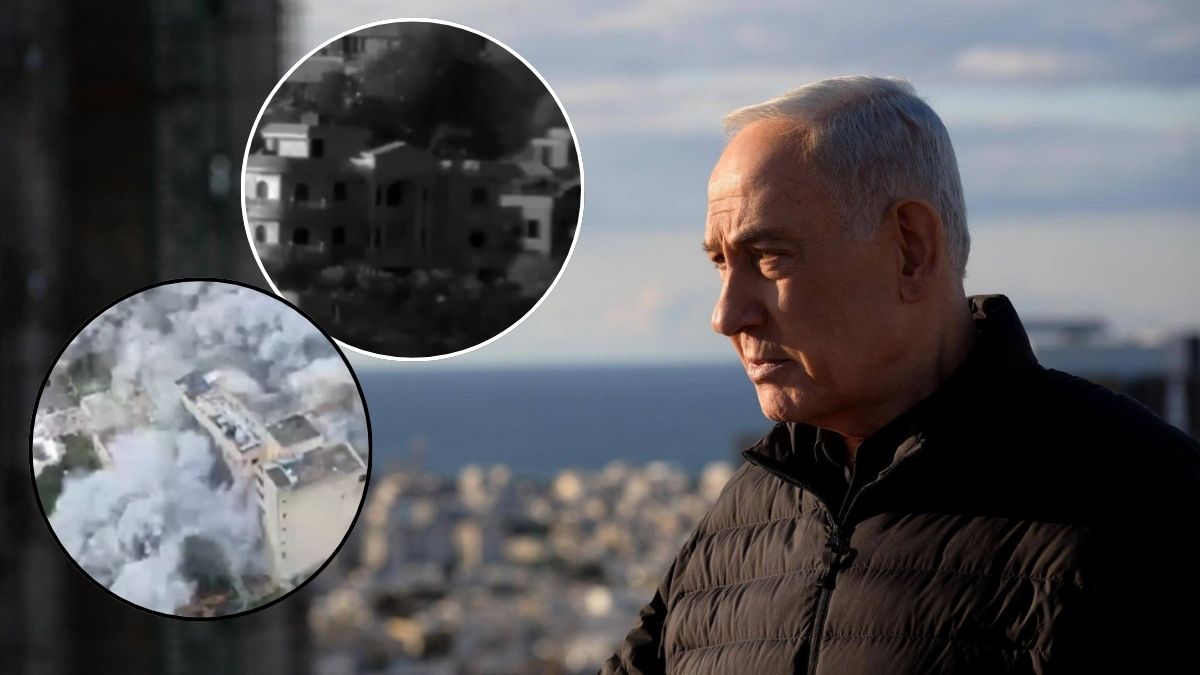
The Israeli military said the wave of attacks across the country had killed "at least 180 Hezbollah terrorists" from the Lebanese armed group. Image courtesy: RNA

In a significant yet deeply contentious development, Israel and Lebanon are set to begin formal talks in Washington next week, even as violence continues to escalate on the ground. Israeli and Lebanese ambassadors held late-night discussions to finalise arrangements for a meeting at the US Department of State on Tuesday (April 14, 2026), aimed at exploring a pathway to peace.
Israel’s ambassador to the United States, Yechiel Leiter, confirmed the shift, “Israel agreed to begin formal peace negotiations” with Lebanon, marking a rare diplomatic opening between the two countries that do not share formal relations.
Israel-Lebanon talks: Why amid escalating violence?
The diplomatic push comes against the backdrop of intense Israeli strikes in southern Lebanon. At least 10 people, including three emergency workers, were killed in attacks on Saturday (April 10, 2026), according to Lebanon’s Ministry of Public Health, with raids reported across more than a dozen locations.
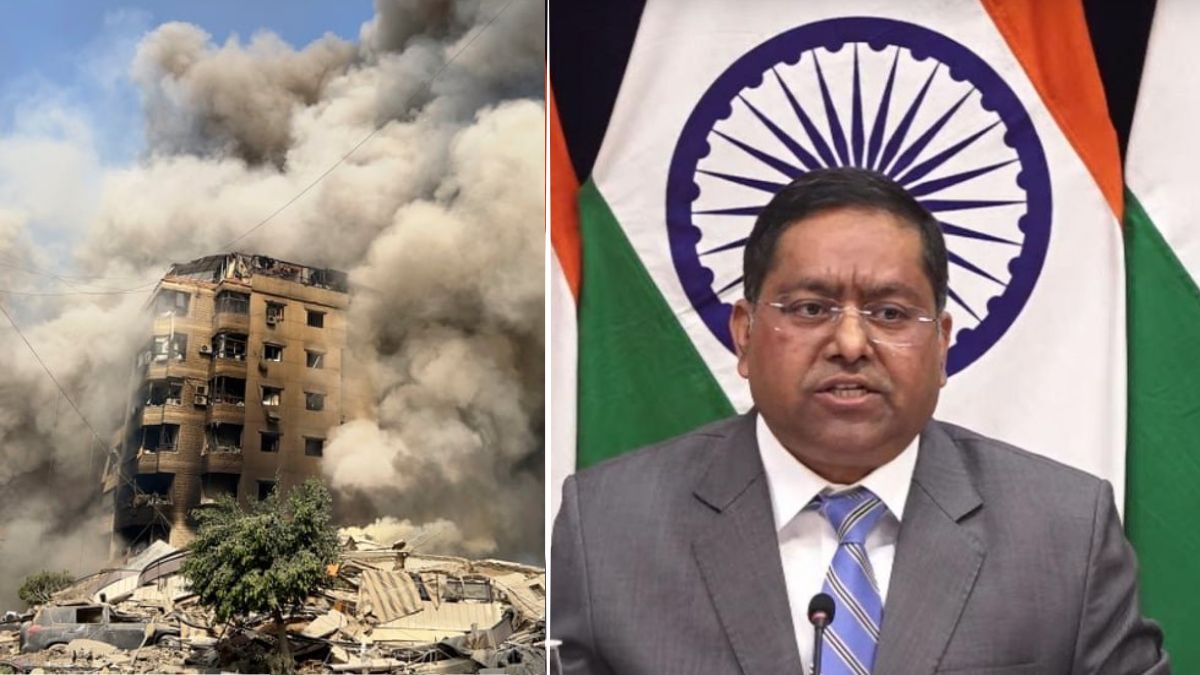
Israeli air strikes on Lebanon are continuing, the ministry shared, adding that the death toll from Wednesday’s massive bombardment had risen to 357, with 1,223 people injured. “The toll is still not final, due to the ongoing removal of rubble and the presence of a large amount of human remains” requiring DNA testing, it stated.
This follows one of the deadliest phases of the conflict, where Israeli strikes earlier in the week killed more than 300 people, as rescuers continued pulling bodies from rubble across devastated areas. The continued violence has cast a shadow over the credibility and timing of the proposed talks.
What is Israel’s position going into the negotiations?
Israel has made it clear that its core objective remains Hezbollah’s disarmament, and that it will not engage with the group directly. “Israel refused to discuss a ceasefire with the Hezbollah terrorist organisation, which continues to attack Israel and is the main obstacle to peace between the two countries,” Leiter said.
Israeli PM Benjamin Netanyahu has reinforced this stance, stating that Israel will continue military operations, noting that they would keep striking Hezbollah even as it engages in talks with the Lebanese government. He has also instructed his cabinet to prepare for negotiations focused on “disarmament of Hezbollah” and a potential “historic peace agreement.”
How is Lebanon responding to the proposed talks?
Lebanon’s leadership appears divided and constrained. While President Joseph Aoun has called for historic direct talks with Israel, the country’s internal political dynamics complicate any unified negotiating position.
Hezbollah, a powerful Iran-backed group operating within Lebanon, has strongly opposed direct negotiations.
Lebanese lawmaker Hassan Fadlallah said, “The move is a blatant violation of the [national] pact, the constitution and Lebanese laws … and it exacerbates domestic divisions at a time when Lebanon most needs solidarity and internal unity to face Israel’s aggression and preserve civil peace.”
He added, “What the enemy has been unable to do on the ground … it will not obtain in negotiations with an authority that lacks decision-making power, has abandoned its most basic duties, has failed to protect its people and cannot be trusted to safeguard national sovereignty.”
Can Lebanon negotiate without control over Hezbollah?
A central challenge remains the Lebanese government’s limited authority over Hezbollah, which continues to engage in clashes with Israeli forces. A Lebanese official close to the group told Reuters, “The talks that will take place between Lebanon and Israel are frankly pointless, because those conducting them in the name of Lebanon have no leverage to negotiate.”
Experts warn that any agreement reached without Hezbollah’s buy-in may be difficult, if not impossible, to implement.
How does this connect to the wider Iran-US-Israel conflict?
The talks are unfolding amid a fragile ceasefire between the United States and Iran, which has already come under strain due to continued Israeli operations in Lebanon. While the US and Israel maintain that Lebanon is not covered under the ceasefire, Iran insists that it is.
Lebanon enters these talks in a weakened state. Israeli bombardment has displaced more than a million people, devastated infrastructure, and deepened existing political and economic crises.
Years of instability, including financial collapse, political paralysis, and previous conflicts, have eroded confidence in the state. Surveys indicate that a vast majority of Lebanese citizens have little trust in their government.
Moreover, some observers remain sceptical about Israel’s intentions, viewing the agreement to negotiate as a tactical move. Many Lebanese officials believe the talks may serve as a “fig leaf” to generate goodwill in Washington, particularly as the US engages Iran diplomatically, while allowing military operations in Lebanon to continue.