Provocations Were Initiated By Other Side: Iran In ‘No Hurry For Deal’ After Talks With US Collapse In Islamabad
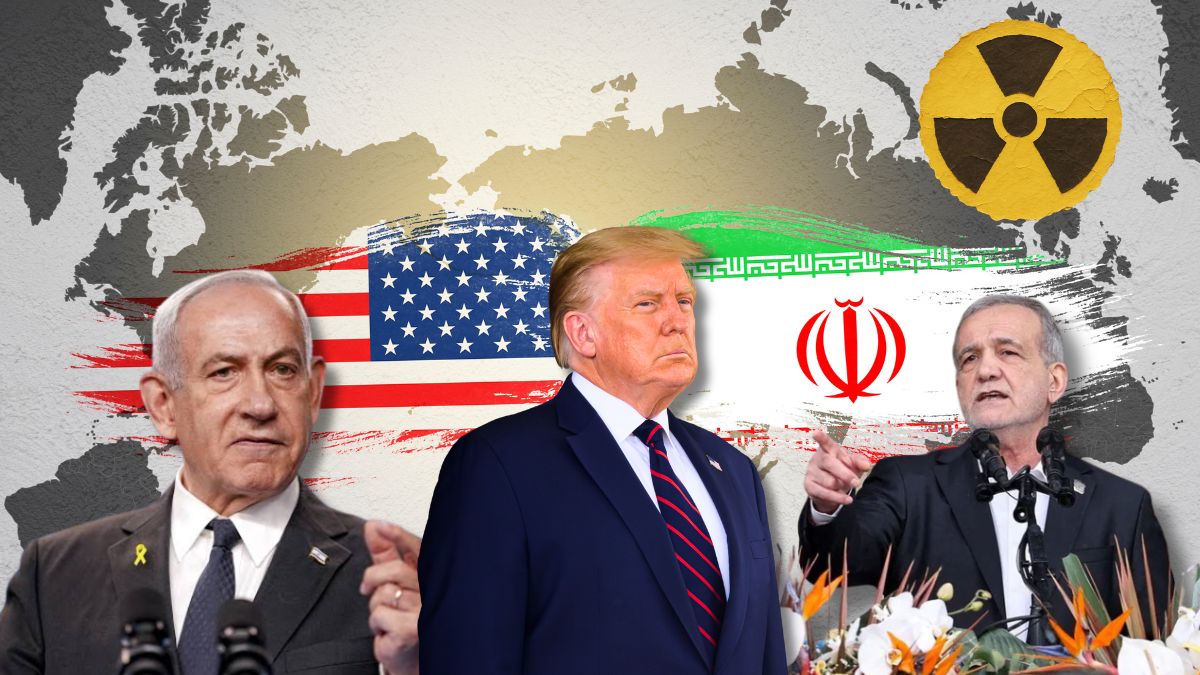
Iranian has highlighted that it cannot secure through diplomacy what failed through military aggression. Image courtesy: RNA

High-stakes negotiations between the United States and Iran ended without a breakthrough in Islamabad, with both sides unable to bridge key differences despite prolonged engagement. Iran’s Foreign Ministry spokesperson Esmaeil Baqaei acknowledged that while some progress was made, “key disagreements remained on two to three major issues, and ultimately the talks did not lead to an agreement.”
The negotiations, led by US Vice President J D Vance, stretched over 24 to 25 hours, making them the longest round of talks in the past year, highlighting both the intensity and complexity of the issues involved. Neither the negotiating team, nor the duration could do any good, ultimately leading to a failed round of talks.
Baqaei described the atmosphere as one of “mistrust and suspicion,” noting that under such conditions, “no one expected an agreement to be reached in a single session—and no one did.”
US-Iran talks: How Tehran reacted to the collapse of negotiations?
In the immediate aftermath of the failed talks, Tehran struck a measured but firm tone, signalling that it is “in no hurry for a deal.” According to Iran’s Tasnim news agency, citing an informed source, the Islamic Republic is not rushing back into negotiations, even as it remains open to continued engagement.
Baqaei underlined that diplomacy is still on the table, saying he is “confident that contacts and consultations between Iran, Pakistan and ‘our other friends’ in the region will continue.”
What did Iran say about the US ‘final offer’?
Tehran also pushed back strongly against Washington’s negotiating posture, particularly remarks by Vice President Vance about a “best and final offer.” In a sharply worded statement, the Iranian Embassy in Japan said, “You cannot secure through diplomacy what you failed to gain through military aggression.”
It further added that the idea of a “best and final offer” is inherently reciprocal and “cannot be a unilateral mandate or a weapon to be used by one side.” The comments reflect Iran’s resistance to perceived pressure tactics and underscore the deep trust deficit shaping the talks.
“It should be noted that throughout this process, the provocations were initiated by the other side, not by Iran. JD Vance’s remark regarding an outcome ‘that is bad news for Iran’ warrants critical scrutiny,” the post added.
How did the recent US-Israel-Iran war shape the negotiations?
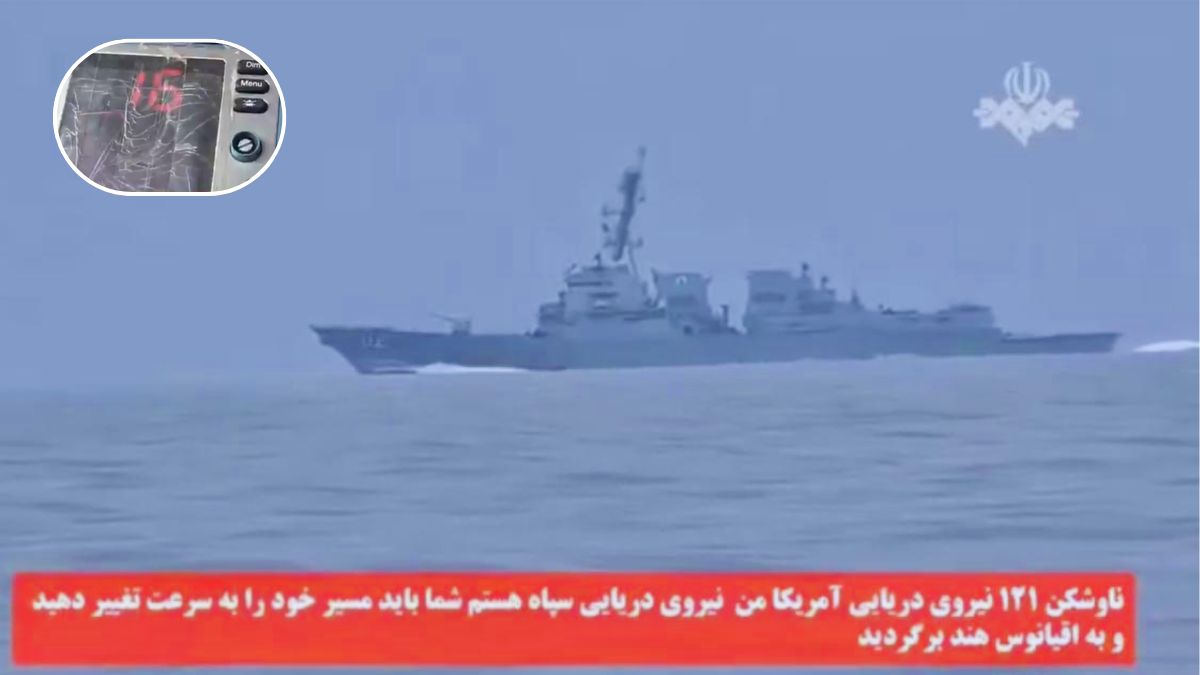
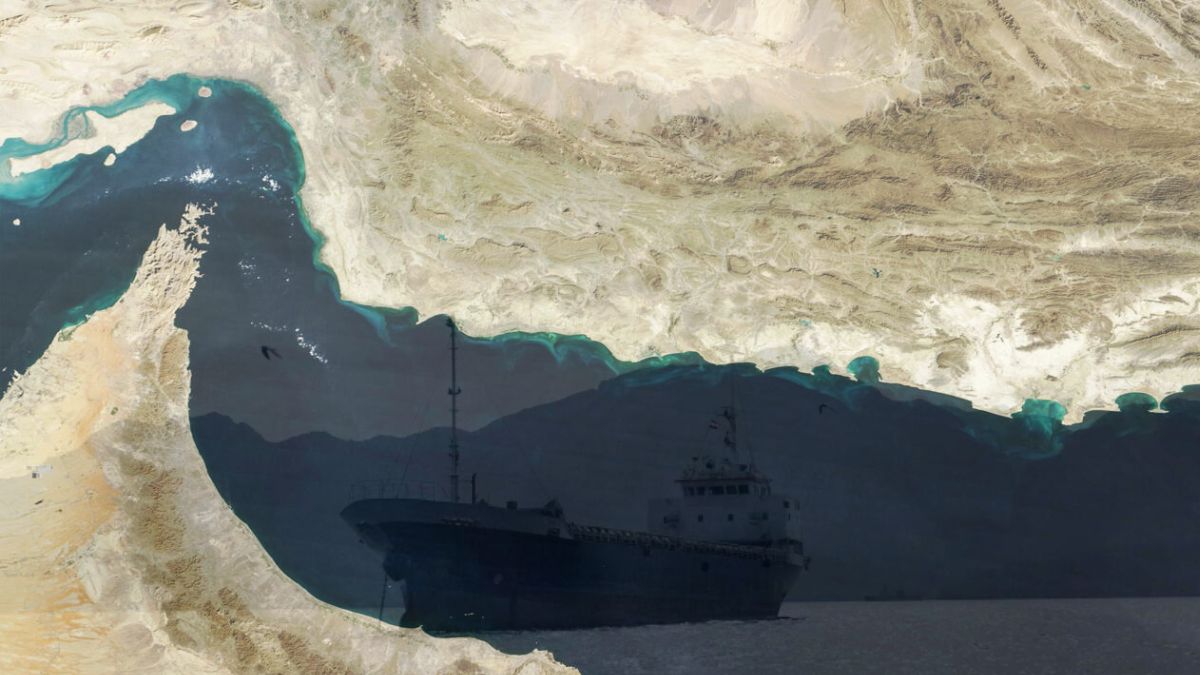
The stalled talks come against the backdrop of a nearly 40-day-long conflict involving the US, Israel, and Iran, which significantly escalated regional tensions. The war not only strained diplomatic channels but also led to the blockade of the Strait of Hormuz, a critical global oil chokepoint, raising concerns over energy security and global trade disruptions.
Baqaei pointed out that the negotiations were held “after 40 days of imposed war,” reinforcing Tehran’s position that the context made any quick agreement unlikely.
Despite the lack of a deal, both sides indicated that channels of communication remain open. Iranian President Masoud Pezeshkian had earlier said that Tehran entered the talks with “determination and seriousness,” but emphasised that the outcome would ultimately depend on Washington’s approach.
While no comprehensive agreement emerged, Iranian officials noted that there was understanding on several issues, suggesting that future rounds of talks could build on limited areas of convergence.