
Betrayed by the WTO: Bangladesh Fights Alone in a Fixed Fight
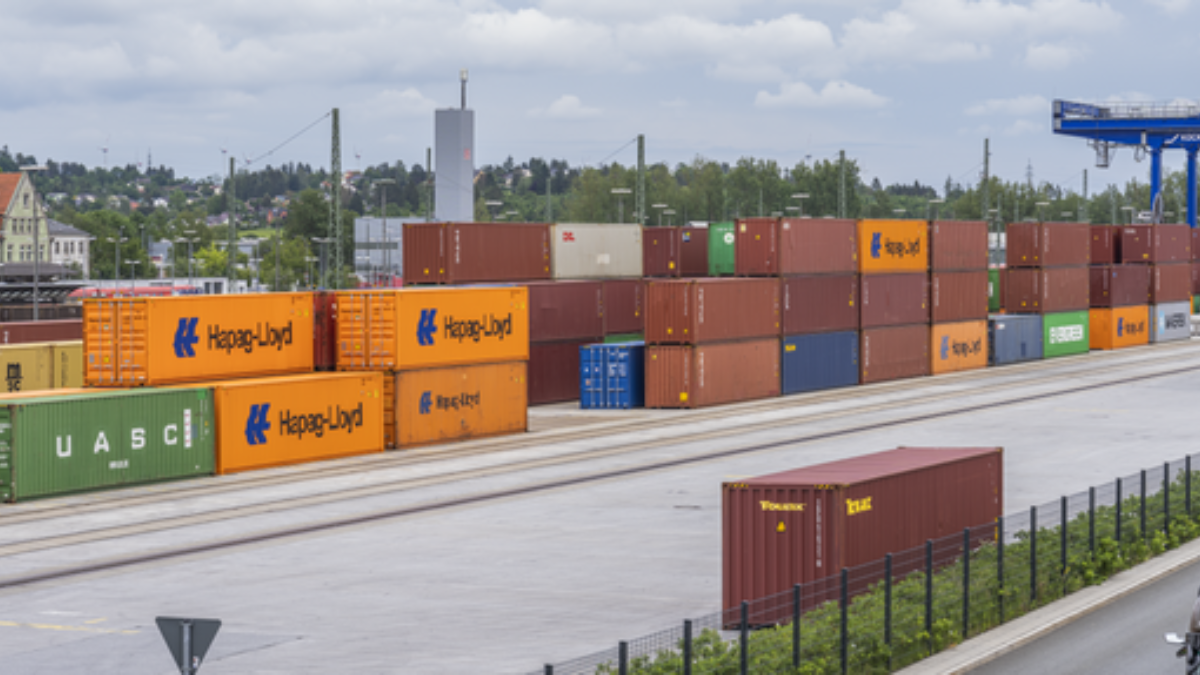
U.S.-Bangladesh reciprocal trade deal. Image courtesy: Wikimedia

The February 2026 U.S.-Bangladesh Agreement on Reciprocal Trade has been sold as a practical compromise: Bangladesh avoids a harsher tariff shock, the United States gets improved access, and both sides preserve commercial continuity. That defence collapses once the text is read closely. This is not a rules-based compact between equals. It is a pressure agreement drafted in the shadow of U.S. tariff power, structured around unilateral American enforcement, and conspicuously detached from meaningful multilateral supervision.
In effect, Washington writes the obligations, judges compliance, and reserves the right to punish. For Bangladesh, that is not reciprocity. It is a managed vulnerability, dressed up in the language of partnership.
The central outrage is the disappearance of a neutral referee. The WTO system was created precisely so that weaker trading states would not have to accept the stronger party as judge in its own cause. Yet this agreement contains no neutral panel mechanism and no independent adjudicatory pathway before penalties are reimposed.
Article 6.4 allows the United States, if it considers Bangladesh non-compliant, to hold consultations and then reimpose tariffs on some or all Bangladeshi imports if those talks do not satisfy Washington. That is not dispute settlement in any meaningful legal sense. It is the prosecutor, judge, and executioner rolled into one office.
The asymmetry becomes still more blatant in Article 2.11. Bangladesh undertakes not to contest certain U.S. border or tax measures. A clause like that does not merely weaken Dhaka’s legal posture; it strips away one of the few institutional shields available to a developing economy dealing with a much larger power.
A state that is denied neutral review and then asked to waive recourse to the multilateral forum is not entering a fair bargain. It is being told, in effect, that even lawful resistance is off limits. That is the legal architecture of intimidation, not of balanced trade governance.
The security chapters deepen the imbalance. Bangladesh must align with U.S. export-control priorities, cooperate in restricting transactions that would violate U.S. sanctions or export controls if conducted by a U.S. person, share information on investment and customs-related matters, and adopt complementary restrictive measures when Washington takes certain border or trade actions in the name of U.S. economic or national security.
The agreement also lets the United States terminate and reimpose tariffs if Bangladesh enters a digital trade deal or a broader economic pact that, in Washington’s view, harms essential U.S. interests or involves a “non-market country” that undermines the agreement. These are sweeping, elastic triggers defined politically by the United States, not neutrally reviewed under common rules.
Even the commercial terms reveal who this pact is meant to serve. USTR’s own fact sheet says the agreement gives American exporters unprecedented market access in Bangladesh, while the United States still maintains a 19 percent tariff on Bangladeshi imports except for specified products. Bangladesh, meanwhile, commits to preferential access for U.S. industrial and agricultural goods, and the text goes on to envisage major Bangladeshi purchases of U.S. aircraft, energy, farm goods, and military equipment. This is not reciprocal liberalisation in the classical sense. It is a structured bargain in which Dhaka opens its market, channels procurement, and aligns strategically, while Washington keeps tariff leverage in reserve.
What makes this especially corrosive is the institutional hypocrisy. WTO members have repeatedly reaffirmed that dispute-settlement reform is a priority, and the WTO itself says the Appellate Body stopped functioning after consensus failed on new appointments because of U.S. objections. The system still processes disputes, but its appellate arm remains crippled, which weakens confidence precisely where smaller economies most need dependable review. The same power that helped paralyse the multilateral appellate system is now normalising bilateral trade instruments that bypass neutral adjudication altogether. In other words, Washington first helps disable the court and then invites smaller economies into contracts where no court is needed because America will decide everything itself. That is not leadership. It is rule-making by exhaustion.
Bangladesh should treat this episode as a warning for every future negotiation. Any trade pact worth signing must expressly preserve WTO recourse, require compulsory neutral state-to-state panels before any tariff snapback, mandate publication of evidence, and suspend unilateral penalties until an independent determination is made.
Agreements that bar WTO challenge or let one side certify the other’s breach are defective on arrival. Real justice in trade cannot come from American self-policing or bilateral kangaroo courts dressed up as reciprocity. It comes from enforceable multilateral discipline, equal procedural rights, and an umpire both sides must answer to. Until that principle is restored, Bangladesh will remain trapped in a fixed fight, expected to call fair what was rigged from the start.
About the author: Ashu Maan is an Associate Fellow at the Centre for Land Warfare Studies. He was awarded the Vice Chief of the Army Staff Commendation card on Army Day 2025. He is pursuing a PhD in Defence and Strategic Studies. His research focuses include the India-China territorial dispute, great power rivalry, and Chinese foreign policy.