Iran Blames US’ ‘Excessive Demands’ As It Pulls Out Of Islamabad Round, Says American Positions Were ‘Childish’
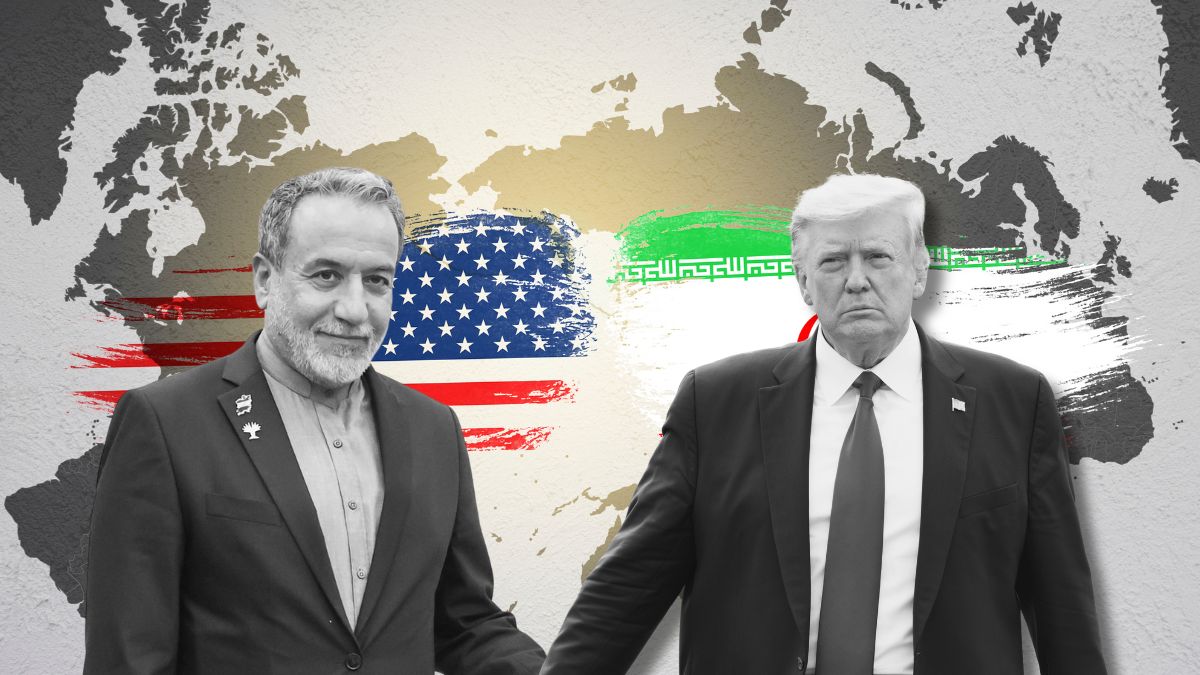
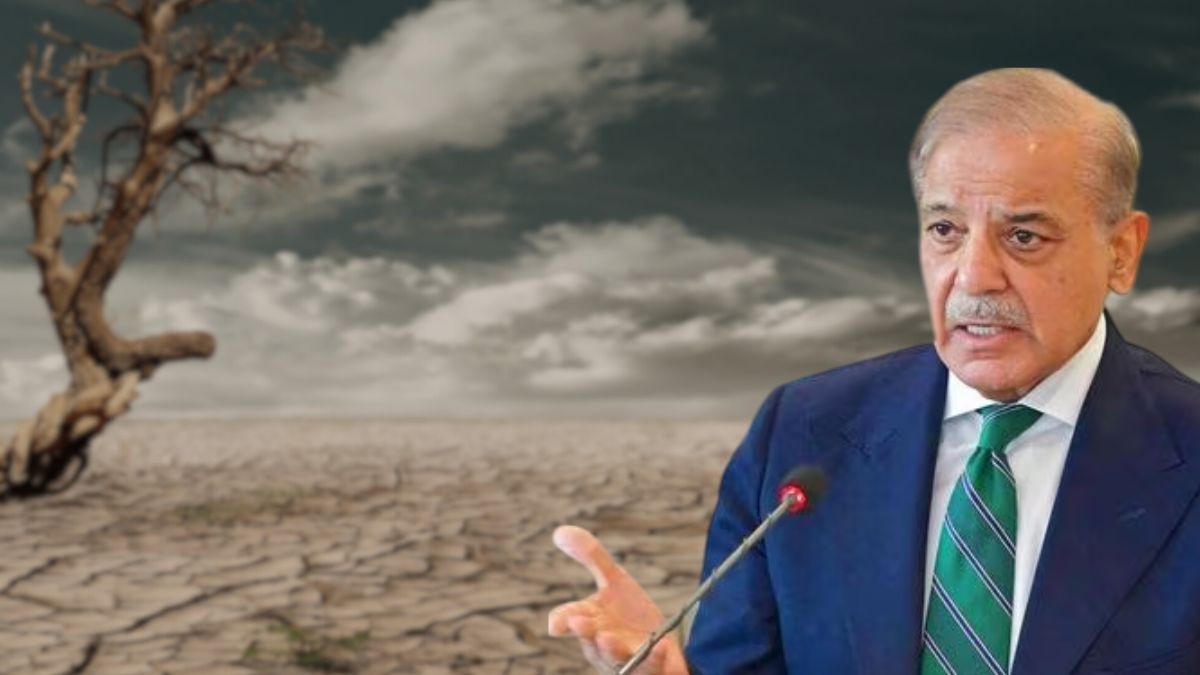
Iran’s First VP Mohammad Reza Aref bashed the US approach to negotiations, saying American positions were "childish" and inconsistent. Image courtesy: RNA

With the two-week US-Iran ceasefire deadline nearing, all eyes and focus has now shifted to the second round of truce talks between both parties. However, just a few days ahead of the deadline on Wednesday (April 22, 2026), Tehran has seemingly backed out of the talks with the US for a second round in Islamabad.
While the West Asia conflict inches closer to a critical juncture, hopes for a second round of US-Iran talks in Islamabad have taken a major hit, with Tehran officially refusing to participate, even as parallel diplomatic outreach continues in the region. Iran has blamed Washington’s “excessive demands, unrealistic expectations” behind their decision.
The development comes amid heightened tensions in the Strait of Hormuz, a fragile ceasefire nearing expiry, and renewed geopolitical manoeuvring involving key regional players like Pakistan.
US-Iran talks: Why has Tehran pulled out of the second round talks?
Iran will not participate in a planned second round of talks with the US in Pakistan, state media reported on Sunday (April 19, 2026), dealing a blow to efforts to extend a fragile ceasefire in a war nearing the two-month mark. The decision came just hours after US President Donald Trump said American negotiators would be in Islamabad on Monday (April 20, 2026).
Hopes, however, quickly faded after Iran confirmed its absence from the second round of talks, blaming US’ “excessive demands, unrealistic expectations, constant shifts in stance, repeated contradictions”, along with the ongoing US naval blockade of Iranian ports, which it considers a breach of the truce.
At a high-level meeting, Iran’s First Vice President Mohammad Reza Aref sharply criticised Washington’s approach, calling American positions “childish” and inconsistent, seeking negotiations under pressure and then hardening its stance.
What did Trump say and how did it impact the situation?
The diplomatic setback was compounded by strong rhetoric from Washington. In a post on Truth Social, Trump threatened to destroy civilian infrastructure in Iran if it does not accept the US deal. He warned that the United States could “knock out every single Power Plant, and every single Bridge, in Iran”, vowing to end Tehran’s “killing machine”.
These statements appear to have hardened Iran’s position, despite earlier signals that a delegation might travel to Pakistan. Iranian Parliament Speaker Mohammad Bagher Ghalibaf had earlier said there would be “no retreat in the field of diplomacy”, but the latest escalation seems to have altered Tehran’s calculus.
Are negotiations completely off the table?
Despite the current impasse, back-channel diplomacy appears to be continuing, though without a clear timeline. Iran’s Deputy Foreign Minister Saeed Khatibzadeh said no date has been set for the next round of negotiations, adding that a framework of understanding must first be agreed upon.
Earlier discussions reportedly revealed deep divisions, with the US proposing a 20-year suspension of Iran’s nuclear programme, while Tehran countered with a three to five-year halt.
US Vice President JD Vance had also acknowledged that deep mistrust between Washington and Tehran remains the biggest obstacle to any agreement.
What role is Pakistan playing amid the crisis?
Even as formal talks falter, Pakistan has emerged as a key intermediary.
Deputy Prime Minister and Foreign Minister Ishaq Dar, in a telephone conversation with his Iranian counterpart Abbas Araghchi, emphasised that “continued dialogue and engagement were essential for the timely resolution of current issues and for promoting peace and stability in the region and beyond.”
According to Pakistan’s Ministry of Foreign Affairs, both sides agreed to remain in close contact and also concurred on a possible phone call between the Iranian President and Prime Minister Shehbaz Sharif.
Iranian leadership has also indicated that proposals relayed via countries, including Pakistan, are being reviewed at the highest levels, suggesting Islamabad’s continued relevance as a diplomatic bridge.
Strait of Hormuz crisis: How is it shaping negotiations?
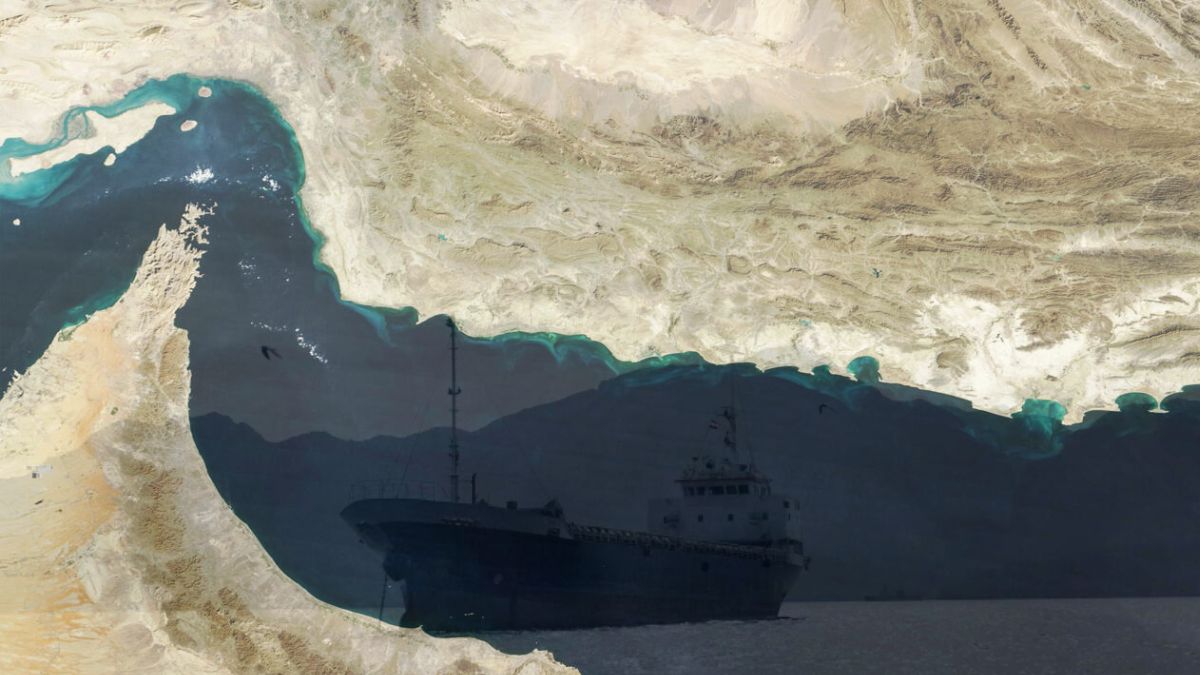
The situation in the Strait of Hormuz remains a critical flashpoint influencing all diplomatic efforts. Iran has called the US blockade an “act of aggression”, accusing Washington of violating the ceasefire, while Trump has alleged that Iran targeted ships transiting the strait.
Hundreds of vessels remain stranded at both ends of the waterway, through which around one-fifth of the world’s oil supply passes, amplifying global economic concerns. On Saturday, Iranian gunboats reportedly fired on two Indian-flagged merchant vessels, forcing them to turn back.