


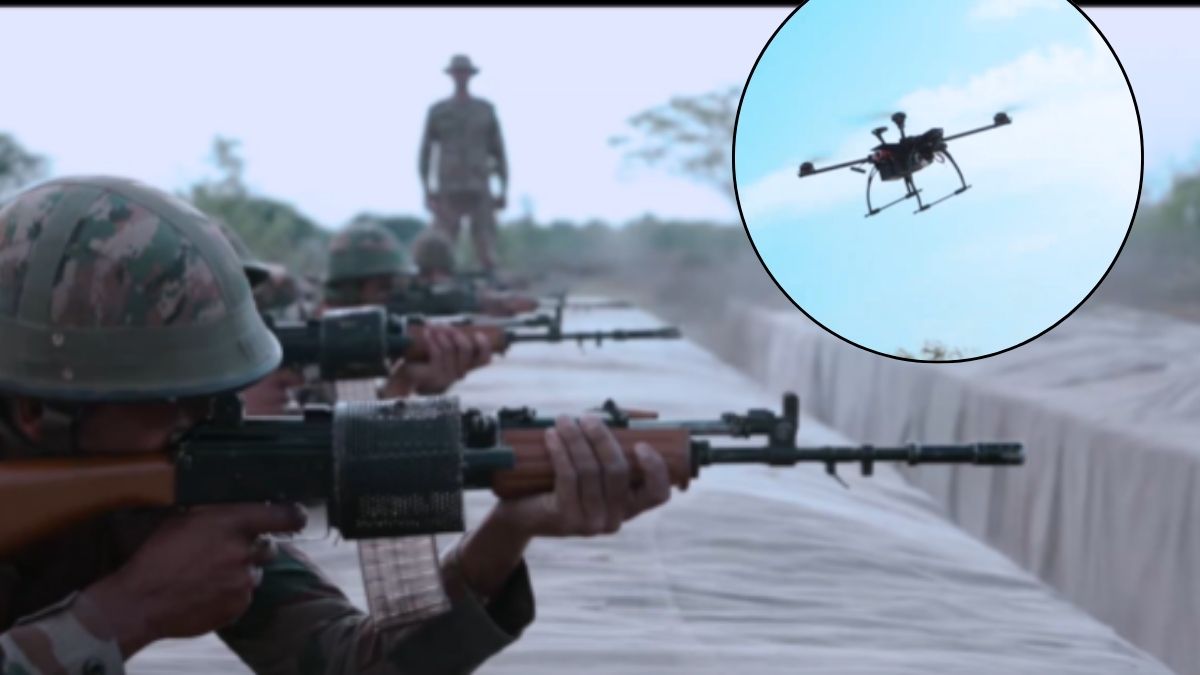
Amid the ongoing conflict in West Asia that has rattled global security calculations and disrupted energy supply chains, the Indian Army has stepped up its operational preparedness across multiple fronts. A series of high-intensity exercises and capability demonstrations signal a clear message that India is preparing for a volatile and unpredictable security environment.
The developments come at a time when tensions around critical sea lanes such as the Strait of Hormuz are directly impacting India’s energy security, making military readiness an integral part of broader national strategy.
Indian Army’s Kharga Corps’ exercise recce
In a significant move, the Kharga Corps of the Western Command launched a 72-hour-long Exercise Recce, an intense, stealth-focused operation designed to test endurance, surveillance, and rapid response capabilities. Described as a no-noise, no-trace drill, the exercise places troops in high-pressure scenarios where precision and resilience are critical.
The emphasis on covert operations highlights the Army’s focus on real-time intelligence gathering and battlefield awareness, key components in modern warfare. Such drills are crucial in ensuring that forces remain mission-ready, particularly in scenarios that may demand swift mobilisation along sensitive borders.
How is the Army preparing for next-generation drone warfare?
Parallel to ground-based readiness, the Indian Army is sharpening its technological edge in aerial threat management. The Central Command’s ‘Exercise Vayu Prahar’ in the high-altitude terrain of Himachal Pradesh showcased advanced capabilities in drone and counter-unmanned aircraft system (C-UAS) operations.
The exercise integrated surveillance grids, rapid detection systems, and precision strike capabilities to neutralise hostile drones. From detection to engagement, every simulated aerial threat was tracked and eliminated, demonstrating seamless coordination and technological superiority.
While geographically distant, the West Asia conflict has direct implications for India, particularly in terms of energy security, maritime trade, and regional stability. The disruption of oil flows and rising geopolitical tensions underscore the need for a strong and agile military posture. Exercises like Recce and Vayu Prahar ensure that India is not only prepared for conventional threats but also for hybrid and technology-driven warfare scenarios.
Meanwhile, alongside combat preparedness, the Army continues to focus on the welfare of its personnel and veterans. The inauguration of a state-of-the-art ECHS polyclinic in Cuttack by the Central Command marks a significant step in enhancing healthcare access for ex-servicemen and their families.
The facility offers comprehensive medical services, including diagnostics and specialist consultations, reflecting a patient-centric approach. This dual focus, on operational excellence and human welfare, remains central to the Army’s institutional ethos.