


While a ceasefire has now been announced in the Iran-Israel-US conflict, Tehran did manage to have an upper hand not just on the battlefield but on social media too. Along with presenting a strong retaliation, Iran levelled up a different kind of battle – one fought not with missiles, but with memes, videos, and viral narratives.
During the over a month-long conflict with the United States and Israel, Iran stepped up its social media and digital campaigns and how! As part of its response to the US and Israeli military actions, Tehran turned platforms like X (formerly Twitter), Instagram, and Bluesky into tools of strategic influence.
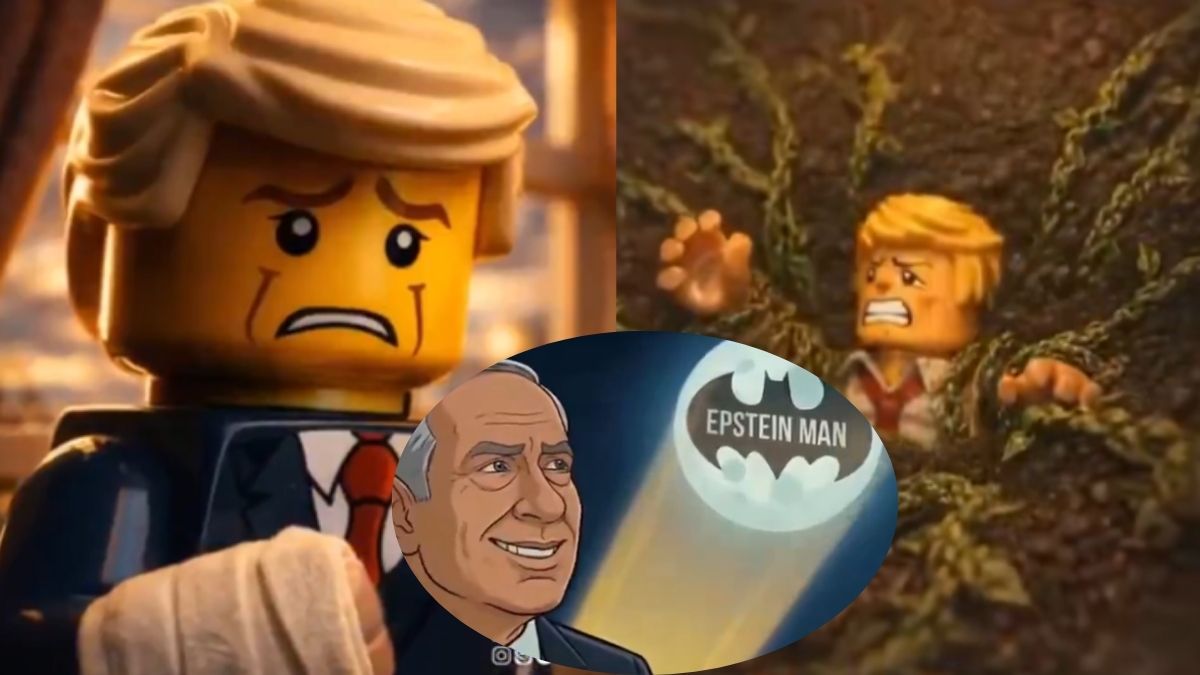
The result was a full-blown “narrative warfare” campaign aimed at shaping global perception, projecting strength, and undermining adversaries. Iran didn’t even shy away from mocking US President Donald Trump himself, showing his as “Epstein Man” in one of the videos posted online.
How Twitter became central to Iran’s narrative warfare
At the heart of Iran’s digital offensive is X, where both official and unofficial Iranian handles, including embassies, consulates and proxy accounts, have been actively pushing Tehran’s version of events.
From sharp diplomatic messaging to provocative visuals, Iran has used the platform to amplify its claims, counter Western narratives, and directly target international audiences in real time. Tehran effectively transformed X into a geopolitical battleground, where perception is as critical as military outcomes.
How are Iranian embassies driving the online messaging?
Iran’s global diplomatic network has played a key role in this strategy. Official embassy handles have posted pointed and often incendiary content aimed at discrediting the US and its allies.
After Trump indicated that Washington and Tehran had begun “productive conversations” aimed at a full resolution of the escalating conflict in the region in late March, the Iranian embassy in Kabul came up with a scathing post:
“Trump’s Retreat After Iran’s Firm Warning: After the Islamic Republic threatened that in the event of any US attack on Iran’s energy infrastructure, it would target the energy infrastructure of the entire region, Trump backed down and stated that he had issued an order to postpone the attack,” the post read.
Meanwhile, the Iranian Embassy in Pretoria, South Africa, posted an image showing the waterway near the Strait of Hormuz filled with coffins draped in the American flag.
“The only American thing that can pass through the Strait of Hormuz,” the post was captioned.
What role are AI and fake visuals playing in this campaign?
A defining feature of Iran’s narrative warfare has been the aggressive use of artificial intelligence. The country is using AI-generated images and videos to make Iran look more successful in war and exaggerate damage to the US and Israel. Various videos circulating online claim that Iran attacked the USS Abraham Lincoln aircraft carrier, show bomb damage in Tel Aviv, and depict Israeli soldiers in distress. However, these visuals are AI generated.
Using Lego videos, Iran mocking Trump while also running live accounts in the name of its slain supreme leader Ayatollah Khamenei. “Following Jesus Christ — peace be upon him — necessarily entails supporting the truth and renouncing anti-truth powers,” Khamenei’s X account said in Easter message based on comments from 1995.
The US President has called it a “disinformation weapon.”
Cyber experts, as quoted by The Guardian. say the scale and sophistication of this effort are unprecedented. “It’s absolutely asymmetric warfare. The use of artificial intelligence is impressive, and it’s at a rate that I don’t think anybody’s seen before to the same extent or in the same way,” said Darren Linvill, co-director of Clemson University’s Media Forensics Hub.
How are proxy and repurposed accounts amplifying Iran’s message
Beyond official channels, a network of unofficial and repurposed accounts has amplified pro-Iran narratives. Some social media accounts that previously focused on Scottish or Irish politics are now posting about Iran, including content condemning attacks on Iranian targets.
Similarly, certain US-based accounts that earlier criticised Trump’s anti-migration policies have been suspended, with their space increasingly occupied by content linked to Iranian proxies and affiliated networks. “All their normal social media activities have been completely changed to focus on the war,” Linvill told the publication.
How is Iran controlling the narrative at home and abroad?
Domestically, Iran has tightened its grip on information by cutting off almost all internet access and warning citizens against using satellite services like Starlink. At the same time, reports suggest Iranian authorities are attempting to intimidate citizens abroad, with threats of revoked citizenship or harm to family members if they post content against the government or in support of the US-Israel war.
Experts describe Iran’s approach as a classic case of asymmetric warfare, using unconventional tools to counter militarily superior adversaries. From AI-driven propaganda to viral content and psychological messaging, Tehran is leveraging the digital space to offset traditional battlefield disadvantages.
One example is the animated video titled “Lord of the Straits,” which depicts Iran halting global commerce through the Strait of Hormuz and outmanoeuvring a desperate US president—an attempt to project strategic dominance through storytelling.