


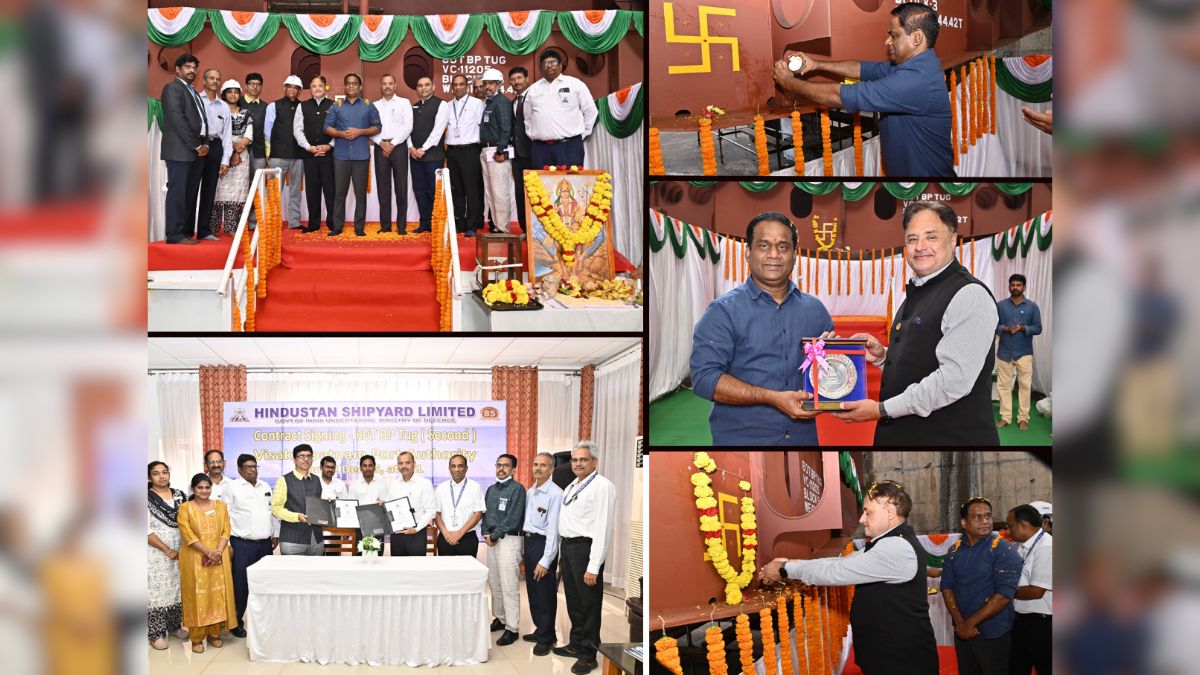
Hindustan Shipyard Limited has taken another step in India’s steady effort to modernise port infrastructure, with the keel laying of a new harbour tug and the signing of a follow-on contract for a second vessel for the Visakhapatnam Port Authority.
The two developments, announced on Monday, underline how smaller, workhorse vessels are becoming central to India’s maritime ambitions, even as attention often gravitates towards warships or mega port projects.
How does the harbour tug handle heavier traffic?
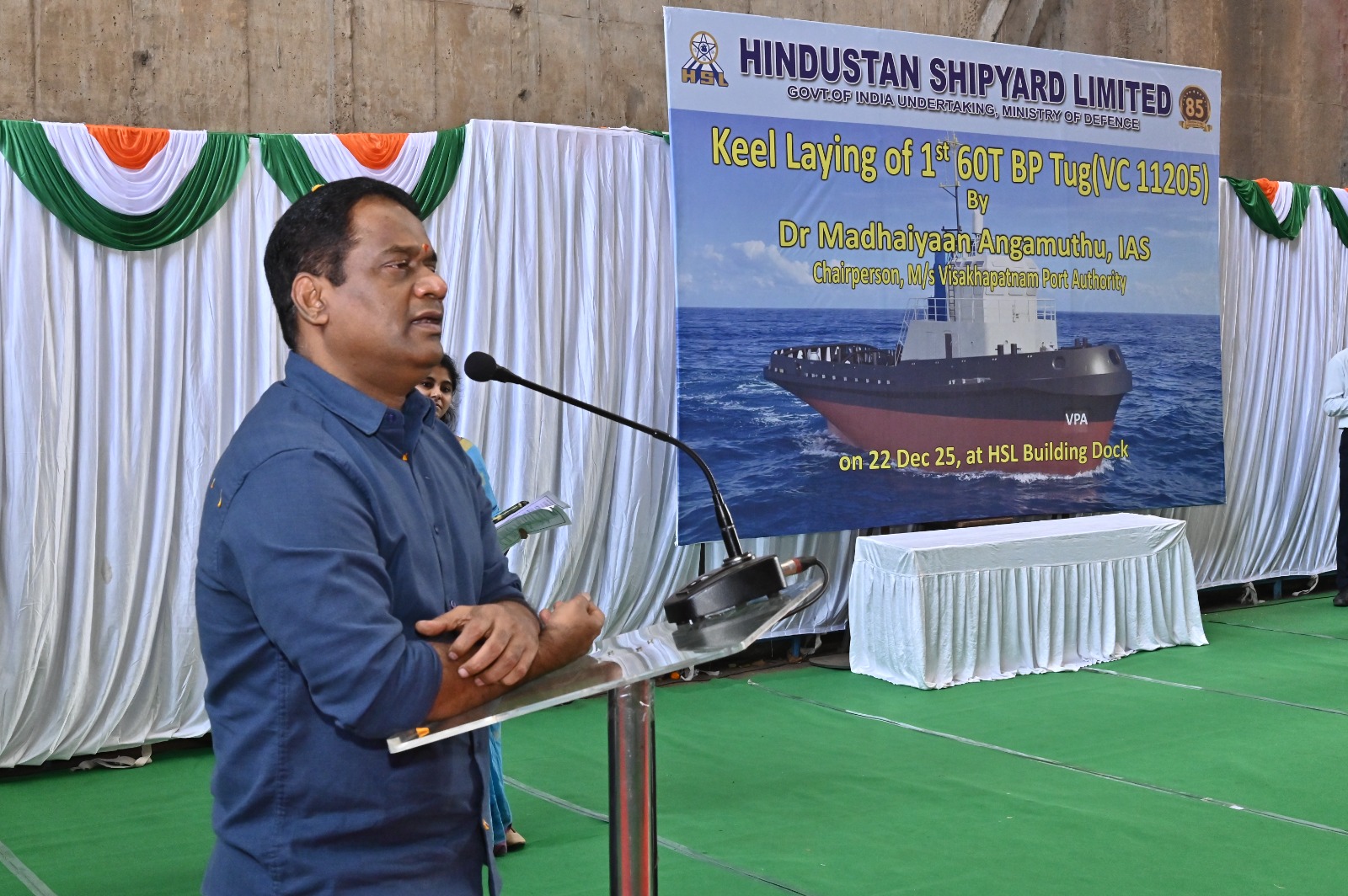
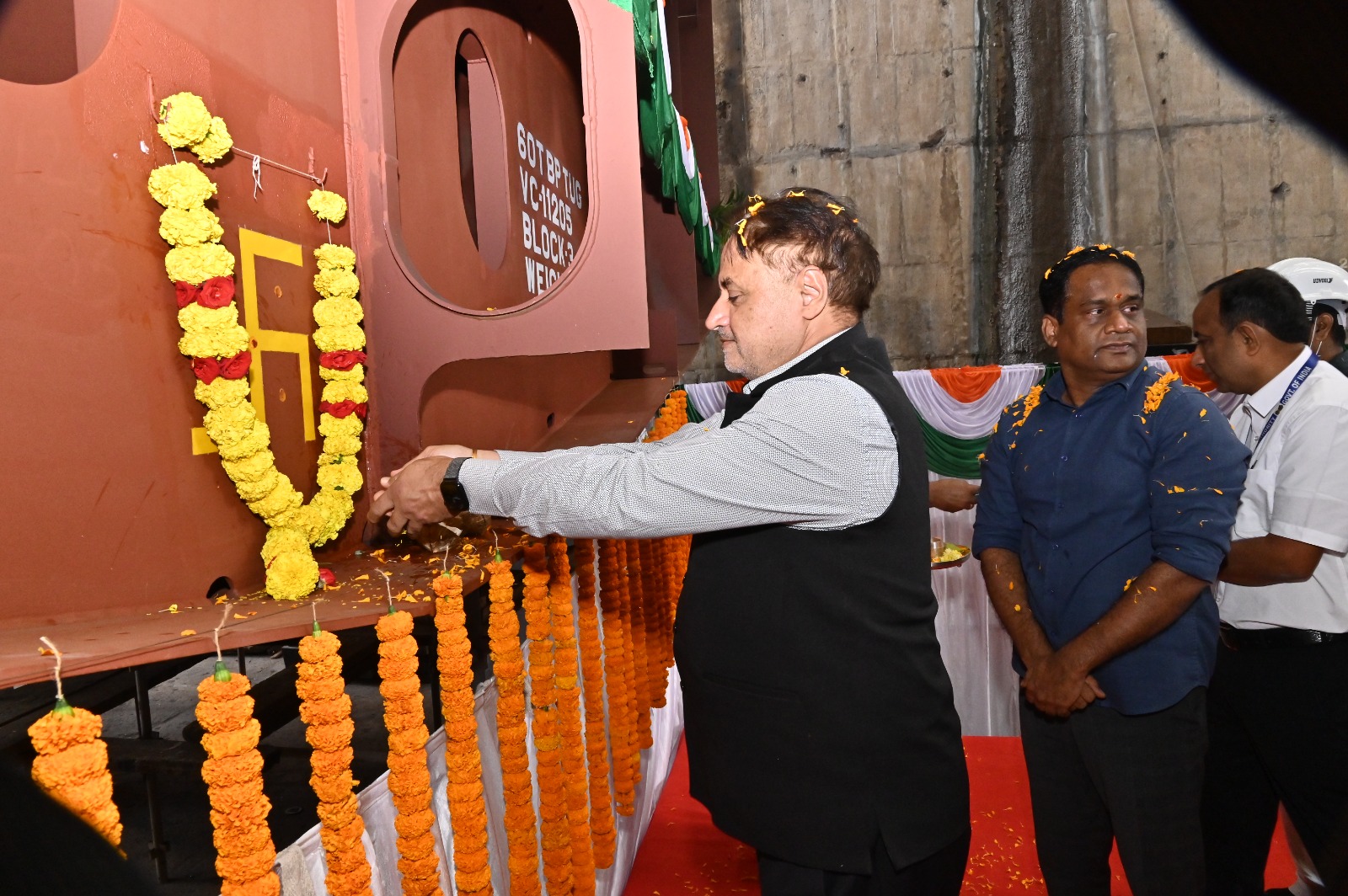
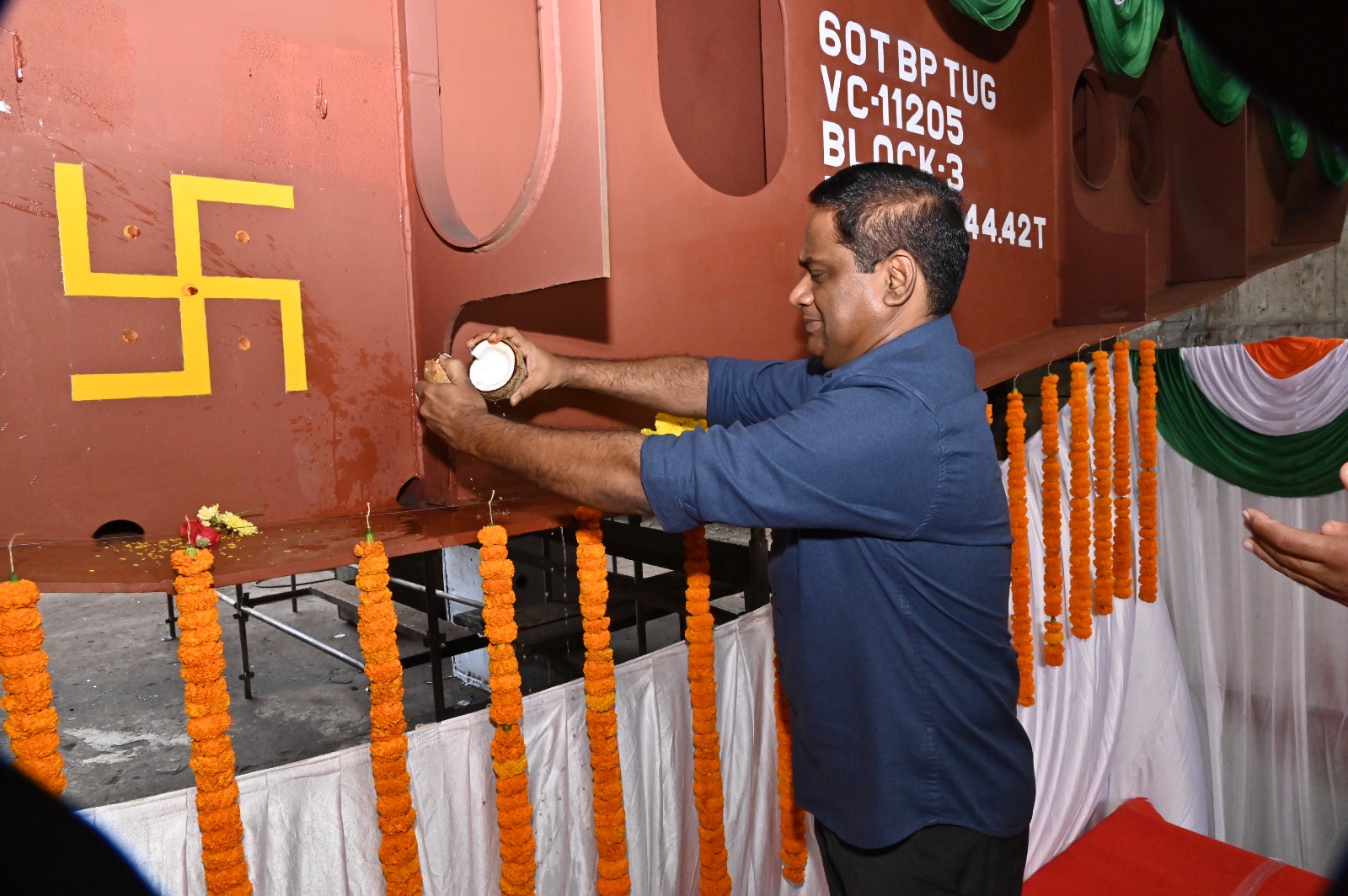
The first milestone was the keel laying of a 60-tonne bollard pull tug, designed and built indigenously by HSL for operations at Visakhapatnam. At 32.5 metres long, the tug is intended to handle demanding port duties such as berthing and unberthing large vessels, escort operations and emergency response.
With cargo volumes rising along India’s eastern seaboard, port officials see such vessels as critical to improving safety and efficiency. Higher bollard pull capacity allows ports to manage larger ships more confidently, reduce turnaround times and cope with denser traffic without compromising manoeuvrability.
The tug programme is aligned with the Maritime India Vision 2030, which places emphasis on upgrading port assets alongside expanding capacity.
Why does the HSL-Visakhapatnam Port Authority contract matter?
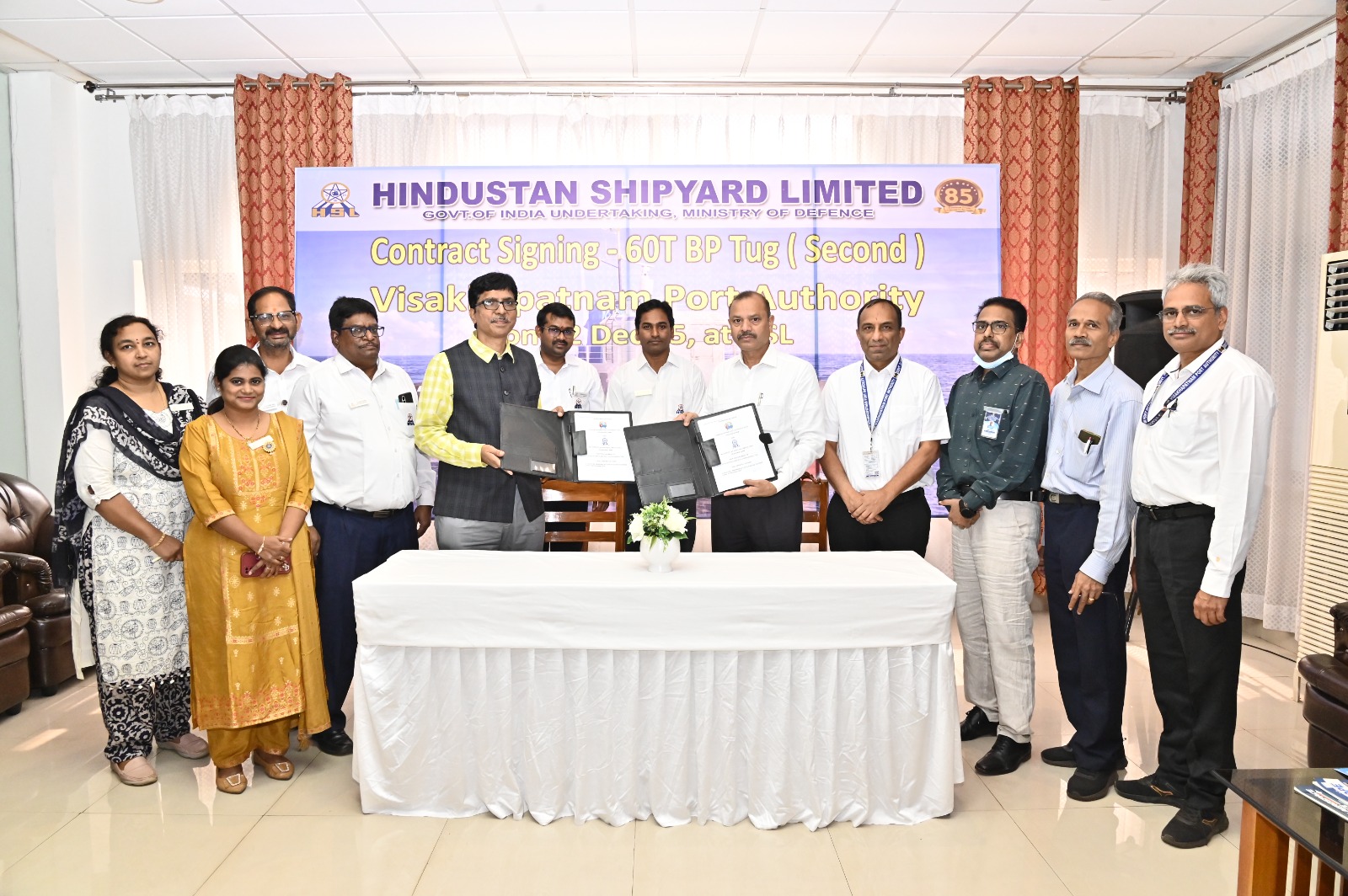
Alongside the keel laying, HSL and the Visakhapatnam Port Authority signed a contract for the construction of a second 60-tonne bollard pull tug. The back-to-back contracts signal institutional confidence in domestic shipbuilding capability.
Addressing the gathering, the port authority’s chairperson, Madhaiyaan Angamuthu, said time-bound delivery and consistent quality were essential to building trust between public bodies. He added that as cargo volumes increase and future targets become more ambitious, collaboration with domestic shipyards would have to deepen.
For HSL, the agreement reinforces its attempt to position itself as a reliable supplier of specialised vessels after years of financial stress.
What is the significance of indigenous shipbuilding?
HSL’s chairman and managing director, Girideep Singh, described the twin milestones as evidence of the yard’s technical capability and project management systems, as well as the contribution of Indian technology partners. He said the programme reflected the broader Make in India approach to shipbuilding, with an emphasis on domestic design, manufacturing and supply chains.
Harbour tugs may not capture headlines, but they are indispensable to everyday port operations. Their construction at Indian yards, using local partners, illustrates how self-reliance in maritime infrastructure is being built incrementally, contract by contract.
In that sense, the Visakhapatnam tug programme offers a glimpse of how India’s maritime strategy is unfolding: less through grand announcements, and more through steady, functional additions to the country’s working fleet.