


India’s defence sector saw an unprecedented allocation amounting to Rs 7.85 lakh crore for the Financial Year 2026-27 in the Union-Budget 2026-27 presented on Sunday (February 1, 2026). The defence budget 2026 shows a significant increase of 15.19% over the Budgetary Estimates (BE) of FY 2025-26.
Notably, the first Union Budget announced by after India’s successful military action against terror bases in Pakistan and PoK during Operation Sindoor in May 2025, gave an impetus to the sector. Even Finance Minister Nirmala Sitharaman firmly linked India’s recent military success under the operation to sustained government investment in defence.
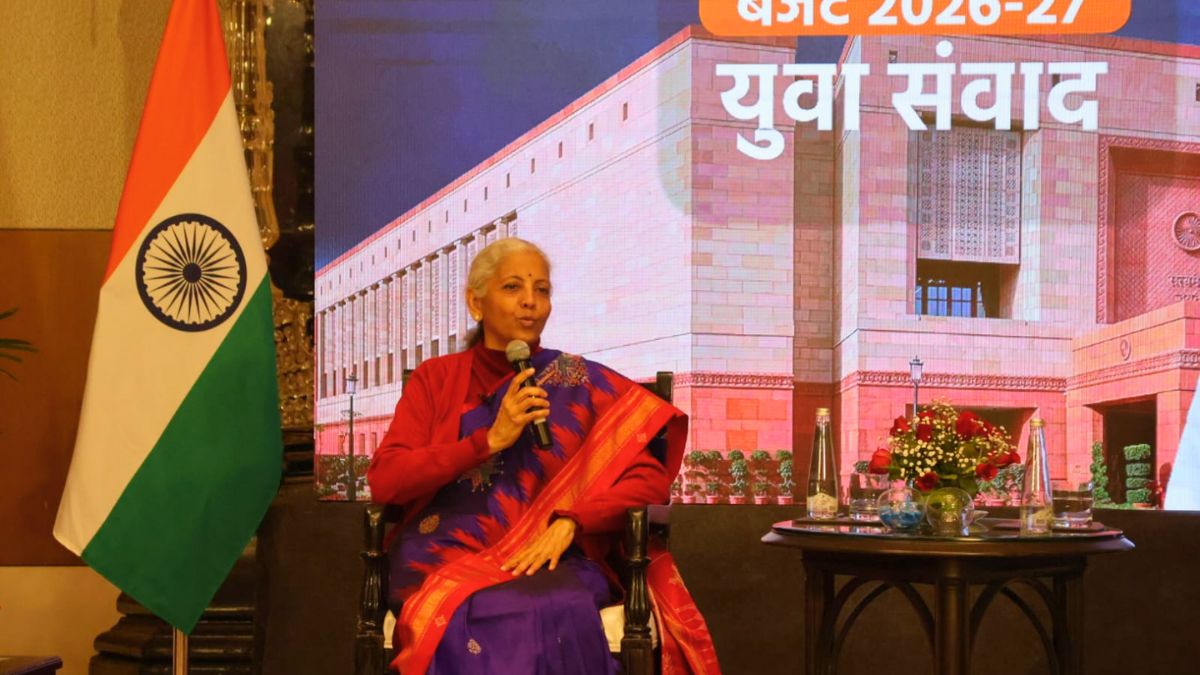
Speaking on at the Youth Dialogue on Budget 2026, Sitharaman underlined that national security remains non-negotiable, adding that the operation was a clear demonstration of how consistent funding over the past decade has strengthened India’s defence preparedness.
Why does defence spending remain untouchable?
“The country’s defence cannot be compromised. Operation Sindoor showed what the money spent over the last 10 years has delivered,” the finance minister said, asserting that security considerations form the backbone of the government’s fiscal priorities.
Drawing from her experience as a former Defence Minister, Sitharaman recalled a time when Indian soldiers were sent to the frontlines without even basic equipment. “There was a phase when bulletproof jackets were unavailable. Soldiers carried guns but did not always have ammunition,” she said, contrasting it sharply with today’s improved readiness.
She stressed that the success of Operation Sindoor was not accidental but the outcome of long-term capital investment, reforms in procurement, and a strategic focus on military modernisation.
Can national security and welfare spending move together?
Sitharaman highlighted the constant balancing act faced by FMs, reconciling defence needs with social and economic priorities like agriculture. “You want your nation to be secure, but also want farmers to produce enough and get fair price,” she underlined, pointing to the complexities of subsidies, market prices, and consumer affordability.
“These are conflicting demands, and managing them is the real challenge for any finance minister,” she added.
Higher taxes the answer to rising national needs?
Rejecting the idea that taxation is the default solution, Sitharaman said additional resources are essential but raising taxes is not always viable. She cited the COVID-19 pandemic as a once-in-a-century crisis that tested fiscal resilience.
Recalling Prime Minister Narendra Modi’s directive during the pandemic, she said, “The Prime Minister was very clear that no new tax on citizens, even when vaccines had to be procured. Life had to be saved.”
With this, the Finance Minister acknowledged that the government borrowed heavily during the pandemic to protect lives and livelihoods. However, once the economy began showing strong signs of recovery, the focus shifted decisively to debt reduction and fiscal consolidation.