


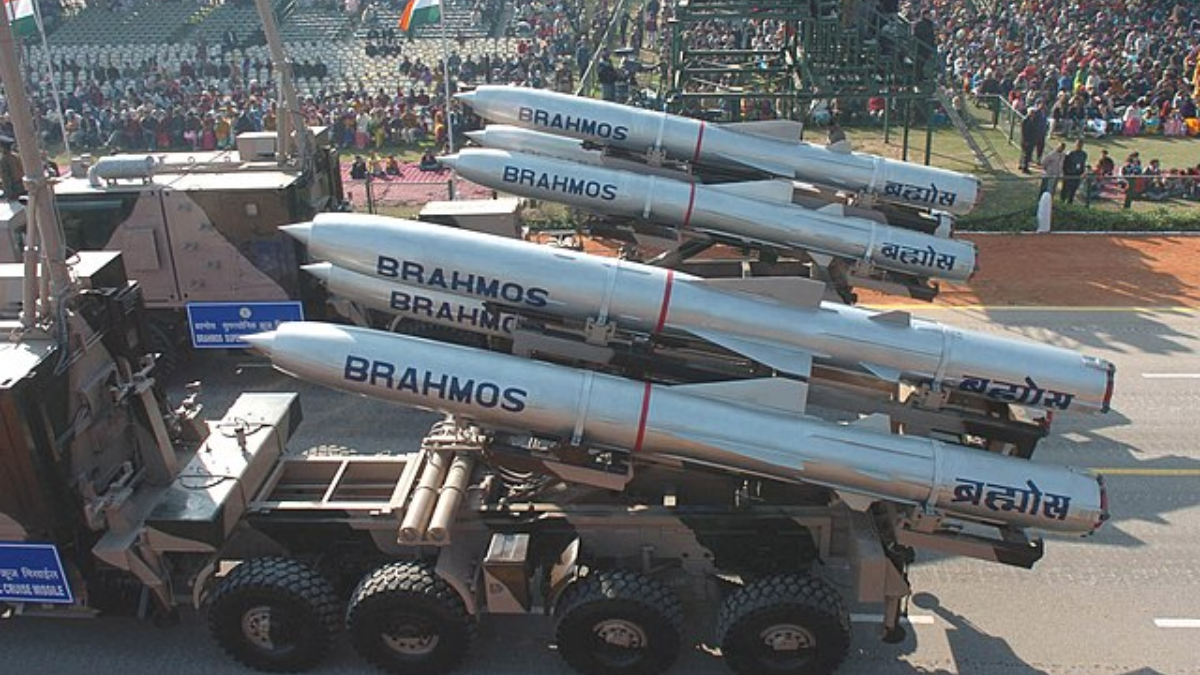
The Hyderabad-bench of the Central Administrative Tribunal (CAT) has set aside the Defence Research and Development Organisation’s (DRDO) appointment of Dr. Jaiteerth R. Joshi as Director General (BrahMos), holding that the selection process was arbitrary and ignored the superior seniority and credentials of a Distinguished Scientist who was equally empanelled for the post
In a detailed order pronounced on Monday (December 29, 2025), the Tribunal ruled that DRDO failed to provide any rational basis for preferring an Outstanding Scientist with barely a year’s experience in Grade ‘H’ over Dr. Sivasubramaniam Nambi Naidu, a Distinguished Scientist in Pay Level-16 with over six years’ experience at the senior grade and a long record of leadership in strategic missile programmes
Why did the Tribunal intervene?
The dispute arose from DRDO’s Advertisement No. 03/2024(i) inviting applications for the post of DG (BrahMos), a highly sensitive and strategic position heading the Indo-Russian joint venture behind India’s supersonic cruise missile programme. Both the applicant and the selected candidate were shortlisted, interviewed, and awarded equal marks by the selection committee. However, the panel of three names was forwarded in alphabetical order without any indication of merit ranking or reasons for preference
CAT noted that while the Secretary, Defence R&D, and Chairman, DRDO, are empowered to choose one name from the panel, such discretion cannot be exercised arbitrarily. The Tribunal observed that a Distinguished Scientist is not a routine or time-bound promotion but a rare recognition conferred after rigorous peer evaluation, considering leadership, scientific output, seniority, and national-level contributions. Ignoring this distinction, the order said, undermines the very rationale of having higher scientific grades within DRDO
What are the CAT’s key findings?
The Tribunal highlighted that the applicant had been an Outstanding Scientist since 2017 and was promoted to Distinguished Scientist in 2024 after a stringent assessment, while the selected candidate became Scientist ‘H’ only in 2023. Internal DRDO records acknowledged that many DG posts are normally manned by Distinguished Scientists and that shortages at this level had forced temporary reliance on Scientist ‘H’ officers.
When both candidates scored equally, seniority, grade, and institutional norms should have tilted the balance in favour of the Distinguished Scientist, unless strong reasons were recorded, which were absent in this case
What are the broader implications?
The ruling reinforces judicial scrutiny over high-level scientific and defence appointments, even in sensitive organisations like DRDO. While courts generally avoid interfering in expert selections, CAT emphasised that discretion in public appointments must be reasoned, transparent, and consistent with established service structures.
By quashing the appointment order dated November 25, 2024, the Tribunal has sent a clear message that merit-based governance in strategic defence institutions cannot sideline seniority and formally recognised excellence without cogent justification
The decision is likely to have wider implications for future appointments of Director Generals across DRDO’s technology and corporate clusters, particularly where Distinguished Scientists are available and empanelled for leadership roles.