


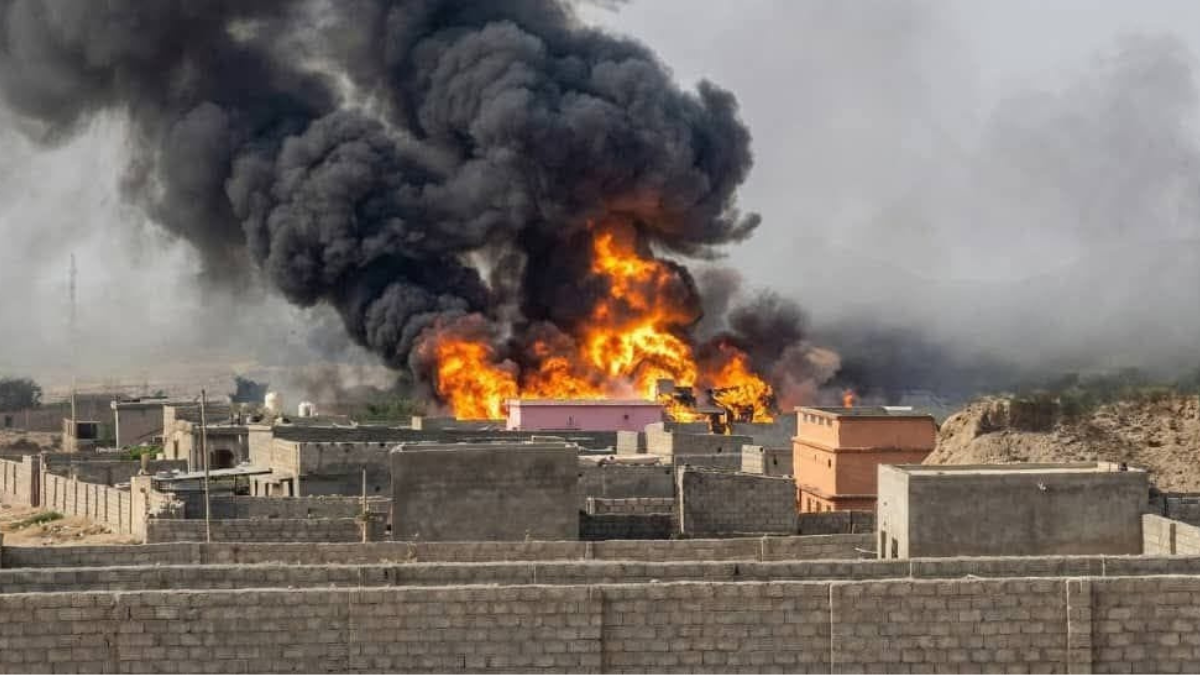
Pakistan’s restive Balochistan province witnessed a dramatic escalation in violence over the past 24 hours, with at least seven explosions and multiple grenade attacks shaking Quetta and Dera Murad Jamali.
While no fatalities have been reported, the coordinated strikes, blamed on Baloch insurgent groups, have once again exposed the volatile security landscape of the mineral-rich but long-troubled region.
How and when did the explosions happen?
The latest wave of attacks began on Saturday (November 29, 2025) when suspected insurgents hurled hand grenades at a police checkpoint in Quetta.
Moments later, an IED blast targeting an Anti-Terrorism Department vehicle sent panic across the provincial capital.
Three additional explosions followed later in the evening, intensifying fears of a sustained militant campaign.
What did the local police say about the blasts?
Senior Superintendent of Police Asif Khan confirmed that one blast occurred near Lohr Karez, on Quetta’s outskirts, blowing up the main railway line linking the city to the rest of Pakistan.
The attack halted train services after the track was severely damaged. According to officials, insurgents planted the IED and detonated it just before a scheduled train arrival, a tactic often used to inflict maximum disruption.
What happened at these blast sites?
In Dera Murad Jamali, a patrolling police vehicle narrowly escaped casualties after attackers lobbed hand grenades at security personnel. In another incident, armed men targeted a construction company’s site on Sariab Road, injuring two security guards and damaging heavy machinery.
Though no group claimed responsibility, authorities say the pattern indicates involvement of Baloch separatist outfits.
What do these explosions mean to Pakistan?
The violence continued into Sunday (November 30), with motorcycle-borne attackers throwing grenades at the Manzoor Shaheed police station, one of which exploded while another was safely defused. Grenade attacks were also reported near a police post in Quetta’s Kech Beg area.
The latest surge underscores long-standing tensions in Balochistan, where separatist groups frequently target security forces, infrastructure, and government-linked projects as part of their decades-old insurgency.