


A tentative easing of India-China tensions following the Shanghai Cooperation Organisation (SCO) Summit has been jolted by a major geopolitical revelation from Washington. A United States congressional advisory body – the US-China Economic and Security Review Commission – has accused Beijing of orchestrating an extensive AI-driven “disinformation campaign”.
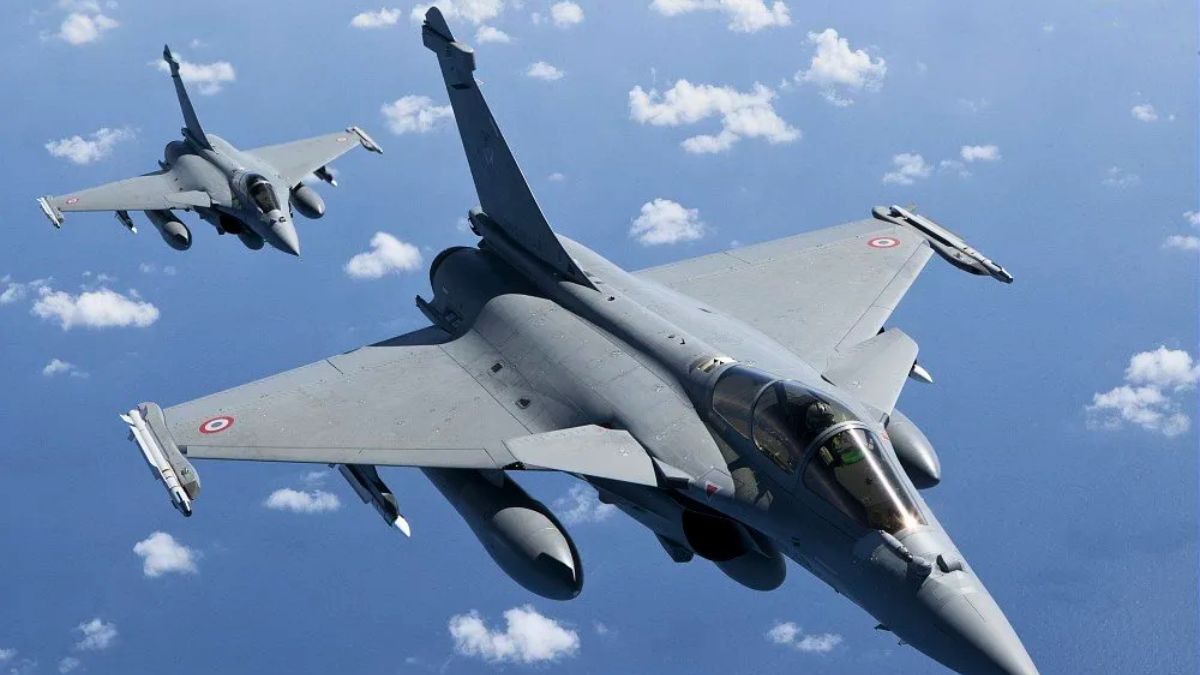
While China has often been associated with using such high-intensity cyber tactics, its AI disinformation campaign has now been exposed. The country is learnt to have targeted India in the aftermath of Operation Sindoor in May 2025. In the days following the India-Pakistan conflict, China wanted to promote its own J-35 aircraft, in place of France’s Rafale jets, which India used during the three-day conflict.
In its annual report to the US Congress, the Commission said China deployed fake social media accounts and AI-manipulated images to distort global perceptions of the India-Pakistan conflict in May 2025. According to the findings, Chinese operators circulated fabricated visuals depicting alleged debris of Indian and French aircraft, falsely claiming they were downed by Chinese weapon systems.
The Commission noted that this was aimed at denting global confidence in the French-made Rafale fighter, which is central to India’s air power, while simultaneously elevating the visibility of China’s upcoming J-35 stealth aircraft in global defence markets.
Why did China exploit the India-Pakistan conflict digitally?
According to the report, China’s digital interference served a dual purpose. First, it allowed Beijing to amplify a narrative of military superiority amid its ongoing standoff with India along the Line of Actual Control. Second, it helped China position itself more aggressively in the global arms export market by undermining competing Western systems.
The report said Beijing “opportunistically” capitalised on the India-Pakistan confrontation triggered by the Pahalgam terror attack, in which JeM-linked terrorists killed 26 civilians. India’s retaliatory Operation Sindoor inflicted heavy losses on Pakistan’s military infrastructure. Air Chief Marshal AP Singh later confirmed that the Indian Air Force had destroyed five Pakistani fighter jets and a major airborne surveillance platform during the campaign.
The US Commission suggests China sought to digitally offset Pakistan’s humiliation by manipulating global perceptions rather than engaging India directly, positioning itself as Islamabad’s “information shield.”
What does the report reveal about the real state of India-China relations?
The Commission described India-China ties as “fundamentally asymmetric,” stating that China uses high-visibility diplomacy to create a façade of stability while avoiding substantive steps to resolve the border crisis. The same is evident in the real world too, as despite multiple rounds of talks, recent agreements between the two sides remain conceptual.
New Delhi, the report added, is increasingly aware of the seriousness of China’s military posture along the LAC and has repeatedly asserted that normal relations cannot resume unless the border situation is fully resolved. Another potential flashpoint between the neighbours is the impending question of the Dalai Lama’s succession.
Further, the report paints a picture of China increasingly aligning itself with Pakistan’s strategic posture, not on the battlefield, but in the information domain. By generating fake AI imagery and running coordinated propaganda campaigns, China appears determined to distort perceptions about India’s military capability and undermine confidence in Western defence systems, by promoting its own.