


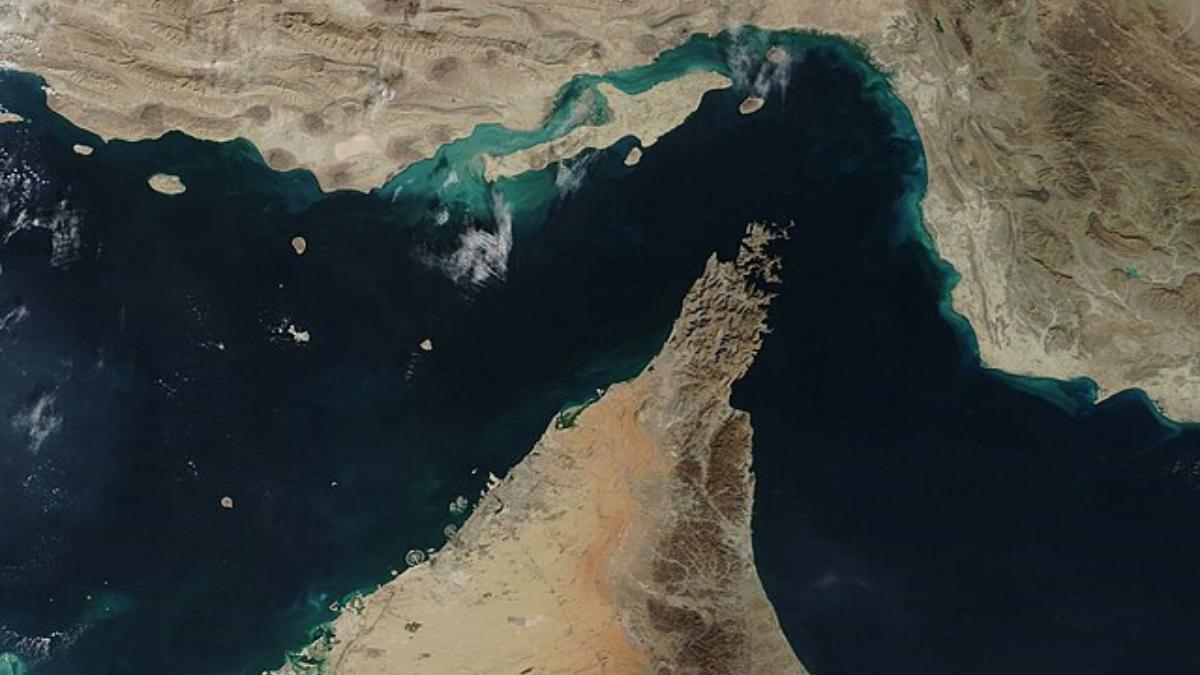
Iran has weaponised and leveraged the blockade of the Strait of Hormuz in the Gulf region to force the US to come to the negotiation table after a 37-day West Asian war.
Iran’s 10-point agenda for talks with the US on a permanent solution to the West Asian crisis included a key demand of Tehran’s continued control over the Strait of Hormuz.
The talks are slated to be held in Islamabad on Friday (April 10, 2026), when the top leadership of Iran and the US are likely to discuss the peace plan, against the backdrop of the two-week ceasefire announced on Tuesday (April 7).
The US has given out its own 15-point agenda for the talks, including the maritime route through the Strait of Hormuz, though President Trump had mentioned that the Iranian agenda was workable during negotiations.
The US has insisted that the peace with Iran depended not only on the nuclear and missile programmes being abandoned, but also on the opening of the Strait of Hormuz “without limitation, including tolls.”
How Iran Weaponised the Hormuz Strait
Iran’s ability to control the Strait of Hormuz, stopping all maritime traffic through that narrow waterway, and targeting cargo ships that defied its blockade came into play within hours of the West Asian war.
Immediately after the US-Israel combine hit Iran on February 28, killing Supreme Leader Ayatollah Ali Khamenei, the Islamic Revolutionary Guard Corps (IRGC) swung into action to take full control of the Strait of Hormuz.
The IRGC warned that it wouldn’t allow passage of cargo and military vessels through the Strait of Hormuz and that any enemy ships would come under fire. The IRGC acted on its threat by targeting a few vessels that defied its diktat.
The result of the Iranian blockade of the Hormuz was felt immediately. The Strait of Hormuz is the lifeline for almost one-third of the global oil and gas cargo traffic.
The Iranian blockade resulted in oil and gas prices shooting up to unmanageable levels in the weeks that followed, and several nations, particularly those in Asia, such as China, felt the pain.
How Iran Leveraged Hormuz to Bring the US to Negotiations
The 37-day war, until the ceasefire announcement on Tuesday (April 7), saw Trump repeatedly issuing threats to Iran to open the Strait of Hormuz unconditionally.
Even on Monday (April 6), Trump used intemperate language to warn Iran of annihilation of the Persian civilisation. He had also been postponing the deadline for a massive military operation on Iran’s infrastructure, including power plants and nuclear facilities, in the hope that Iran would accede to his demands.
Despite the elimination of several political and military leaders of the Iranian regime, Tehran remained defiant. It asked Trump to go take a walk, even as it continued to target military assets of both the US and Israel all around the Gulf region.
Iran too felt the pain, as the US and Israeli precision strikes were taking out its infrastructure and leaders, causing huge losses.
The next step in Iran’s strategy to force Trump’s hands came when Tehran considered imposing tolls, up to $2 million per vessel, passing through the Strait of Hormuz. Iran also closed the Hormuz again after Israel bombed Beirut to target Tehran-based Hezbollah, after claiming Lebanon was part of the US-Iran ceasefire agreement.
The Strait of Hormuz and the maritime traffic through the waterway would be a major talking point when top leaders from the US and Iran meet in Islamabad on Friday (April 10).
That both the US and Iran talk about the Strait of Hormuz as part of their negotiations indicates that Tehran has effectively weaponised and leveraged its control over the waterway to bring Trump to the negotiation table and to force his hand into agreeing to some of its demands on other fronts.
Now, what needs to be watched is if Iran would give up on its key economic weapon and leverage — control of Hormuz — to buy peace with the US and Israel, and if that peace would be long-lasting.