


India’s efforts as the BRICS chair to create a consensus on the West Asian military conflict among the member nations have faced hurdles due to differing views on the matter.
According to Indian government officials aware of the developments, India attempted to strike a balance within BRICS due to its strong ties with Iran, Saudi Arabia, and the United Arab Emirates.
All these West Asian nations are members of BRICS but are currently involved in the West Asian conflict after Tehran’s missile and drone strikes on its neighbours following the airstrikes by the US and Israel on February 28 that killed its Supreme Leader Ayatollah Ali Khamenei.
“On the one hand, there are calls from the Iranians to condemn the attacks on their country. On the other hand, member states such as the UAE are seeking the condemnation of Iran’s attacks on their infrastructure,” one of the unnamed officials quoted by an Indian media platform.
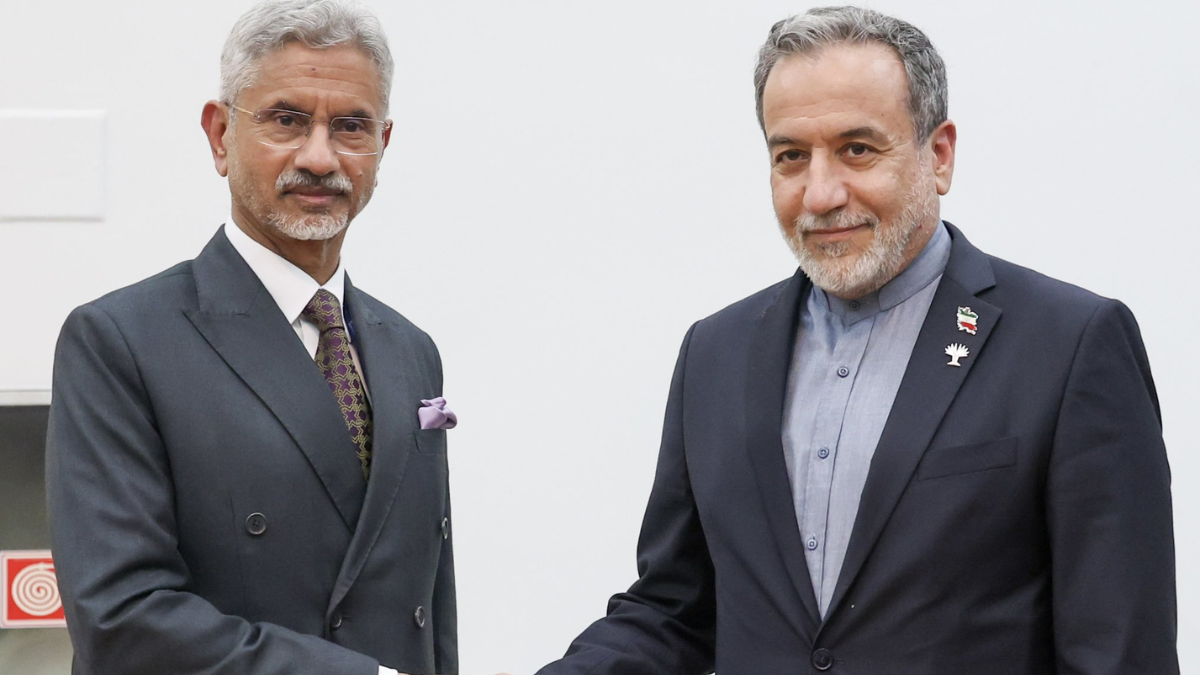
Last week, Iranian Foreign Minister Abbas Araghchi, in a phone call with his Indian counterpart Dr. S. Jaishankar, called for regional blocs such as BRICS to play a “constructive role” in ensuring global security and stability.
He also called the US-Israel airstrikes on Iran “aggression and crimes” violating international laws. However, Iran, in response to the US-Israel airstrikes, hit its neighbouring countries with missiles and drones, calling the attacks as targeting American and Israeli military assets based in countries like Saudi Arabia and the UAE.
India, as the BRICS chair, was already engaging the member states on the West Asian crisis through the bloc’s Sherpa arrangement, trying to arrive at a consensus on the position it should take, particularly during the last online meeting on March 12.
In response to media queries during his weekly briefing, India’s Ministry of External Affairs spokesperson Randhir Jaiswal said the issue was linked to arriving at a consensus within the bloc.
“BRICS works based on consensus. As you know, in this particular ongoing conflict, several members of the BRICS are involved in it,” he said.
“For that reason, it has been difficult to bridge the gap between the positions that countries have taken, but we continue to be engaged with all the stakeholders,” he added.