


The highly anticipated India-US trade deal has been dragging on for several months now, ever since it came into focus after President Donald Trump’s reciprocal tariffs announced in April 2025. The US has now shifted the blame for the same on India, saying the delay is because of Prime Minister Narendra Modi not calling Trump.
In a recent podcast interview, US Commerce Secretary Howard Lutnick said that the India–US trade agreement was effectively ready but failed to go through because PM Modi did not directly call President Trump to finalise it. He claimed that such a call was necessary to close the deal.
India has, however, firmly rejected remarks by the US Commerce Secretary, underscoring that negotiations have been ongoing for months and were close to conclusion on several occasions. The response comes amid heightened economic and diplomatic sensitivities, with trade talks dragging on since early 2025.
How has India responded to US’ call remarks?
India strongly disputed this characterisation. External Affairs Ministry spokesperson Randhir Jaiswal said the remarks were “not accurate”, stressing that both sides have been formally engaged in trade negotiations for months.
“India and the US have been committed to negotiating a bilateral trade agreement since February 13, 2025. Several rounds of discussions have been held, and on multiple occasions, we were close to finalising a balanced and mutually beneficial agreement,” Jaiswal said.
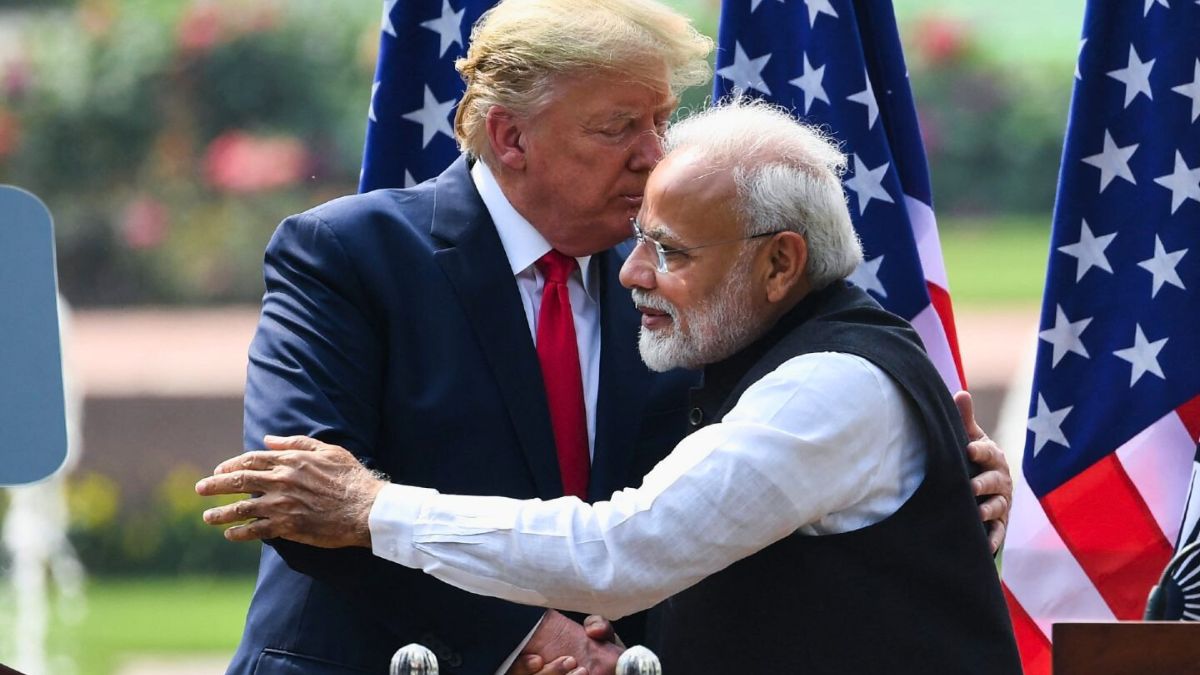
Contradicting the implication of a communication gap, New Delhi said Prime Minister Modi and President Trump spoke eight times in 2025, covering a wide range of issues linked to the bilateral partnership. Jaiswal added that the two leaders share a friendly and respectful relationship, and that diplomatic engagements have always followed established norms rather than informal pressure tactics.
India–US trade deal: Why has it been delayed?
Trade negotiations slowed significantly last year after Washington imposed 50% tariffs on select Indian imports in August, including a 25% levy linked to India’s continued purchase of Russian oil, along with an additional 25% in reciprocal tariffs.
President Trump has since warned that tariffs could rise further unless India cuts its Russian oil imports. Earlier this week, the US President also greenlit a bill that could levy tariffs as high as 500% on countries purchasing Russian oil, thereby fuelling Putin’s war, as the US claims. These countries include India, China and Brazil.
The MEA spokesperson noted that “India and the United States have been committed to engaging in discussions on a bilateral trade agreement since 13 February last year. Since then, both sides have held several rounds of talks to arrive at a balanced and mutually beneficial trade agreement.”
What has been the economic impact so far?
The tariff escalation and uncertainty around the trade deal have pushed the Indian rupee to a record low, thereby unsettling investors expecting progress in trade talks. There has also been an added pressure on bilateral economic ties already under strain.
US Commerce Secretary Lutnick stated the United States had stepped back from a deal that was close to being concluded but left the door open for renewed negotiations in the future.
Where does India stand now?
Despite the stalemate and sharp rhetoric, India reiterated that it remains interested in concluding a mutually beneficial trade agreement that addresses concerns on both sides.
“On several occasions, we have come very close to reaching an agreement. The description of these discussions as reflected in the reported remarks is not accurate. We are interested in a mutually beneficial trade agreement between two complementary economies and hope to conclude it,” Jaiswal suggested.