


Iran, on Sunday (March 29, 2026), accused the United States and Israel of planning a “ground invasion” under the shadow of diplomacy, warning that Tehran would not yield to such pressure.
Iran also warned that the two enemy nations would seek to widen the scope of the ongoing conflict by drawing in other countries or staging “false-flag operations”.
“The enemy talks of negotiations but plans a ground invasion. The US seeks in a 15-point list what it couldn’t win in war. Our forces are ready, and we will never be humiliated,” Iran’s Parliament Speaker Mohammad Bagher Ghalibaf was quoted as saying.
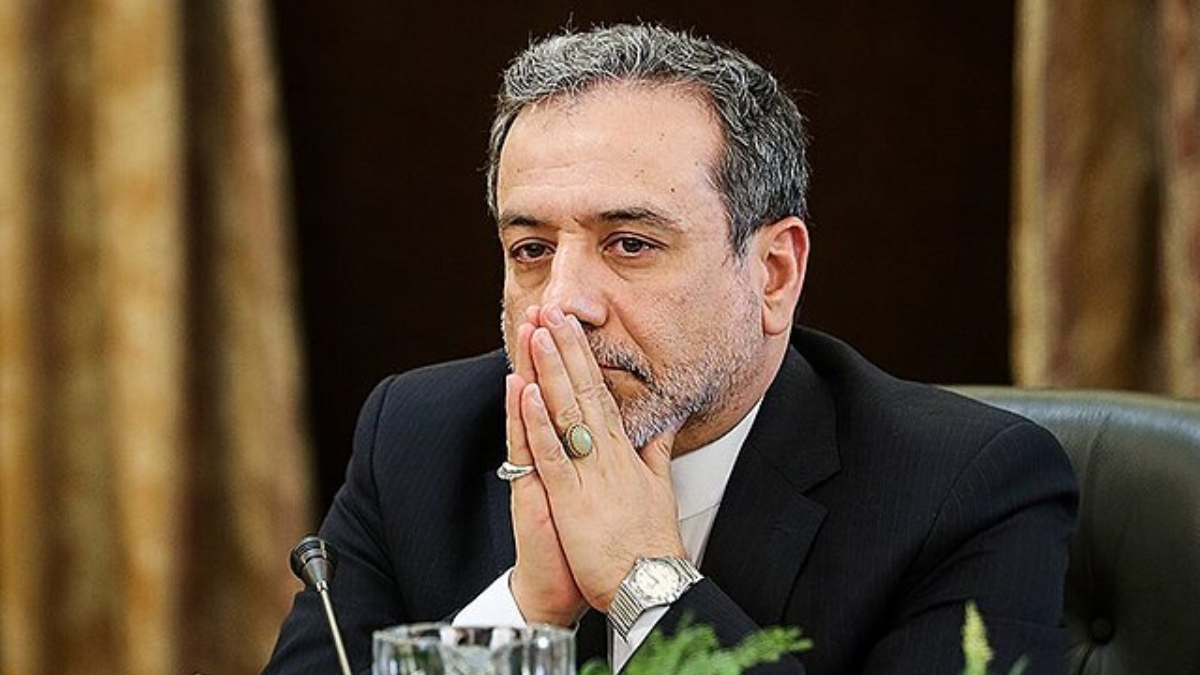
Iran’s Foreign Minister Abbas Araghchi warned of “false-flag operations” during a phone call with his Greek counterpart, Georgios Gerapetritis.
Araghchi cautioned that Washington and Tel Aviv could attempt to expand “unprovoked aggression” against Iran, compelling other countries to participate in the aggression or conduct false-flag operations against third countries.
He also emphasised that countries have legal obligations under international law to prevent their territories or resources from being used to plan or support acts of “aggression”.
The Iranian minister further detailed “crimes committed” by the US and Israel during the past month, stating that the attacks “constitute a clear violation of Article 4 of the United Nations Charter and an obvious case of military aggression against a UN member state.”
Araghchi further urged all countries to condemn “illegal attacks and violations” of humanitarian law, warning that “Indifference to the unlawful and terrorist American and Israeli actions undermines the international normative and moral order, with consequences affecting all nations.”
He added that Iran would continue its defensive operations against the alleged aggressors, including targeting their military bases and facilities in the region. The minister also linked insecurity in the Strait of Hormuz to the ongoing conflict, stating that Iran had taken measures to prevent the waterway from being used by its “aggressors” while ensuring safe passage for other vessels.
For his part, Greek Foreign Minister George Gerapetritis expressed concern over the escalating situation and voiced hope for a swift return to peace and stability in the region.
On Friday (March 27), US Secretary of State Marco Rubio said that a response from Tehran to the US proposal aimed at ending the conflict in the region could come “at any moment”, while also urging US allies to play a greater role in securing the Strait of Hormuz in the post-war period.
Speaking after a G7 foreign ministers’ meeting, Rubio said Washington is awaiting a response to a 15-point proposal from the administration of US President Donald Trump.
“We haven’t gotten it yet. Look, we’ve got messages. We’ve had an exchange of messages and indications from the Iranian system, whatever is left of it, about a willingness to talk about certain things,” Rubio said.
He noted that key details remain unclear regarding potential negotiations. “Who was it that we would be talking to? What will we be talking about, and when? When will we be talking?” the US Secretary of State added.
According to Rubio, clarity on these issues could come soon. “Those answers could be coming at any moment,” he said, suggesting it may happen as early as today or tomorrow.