


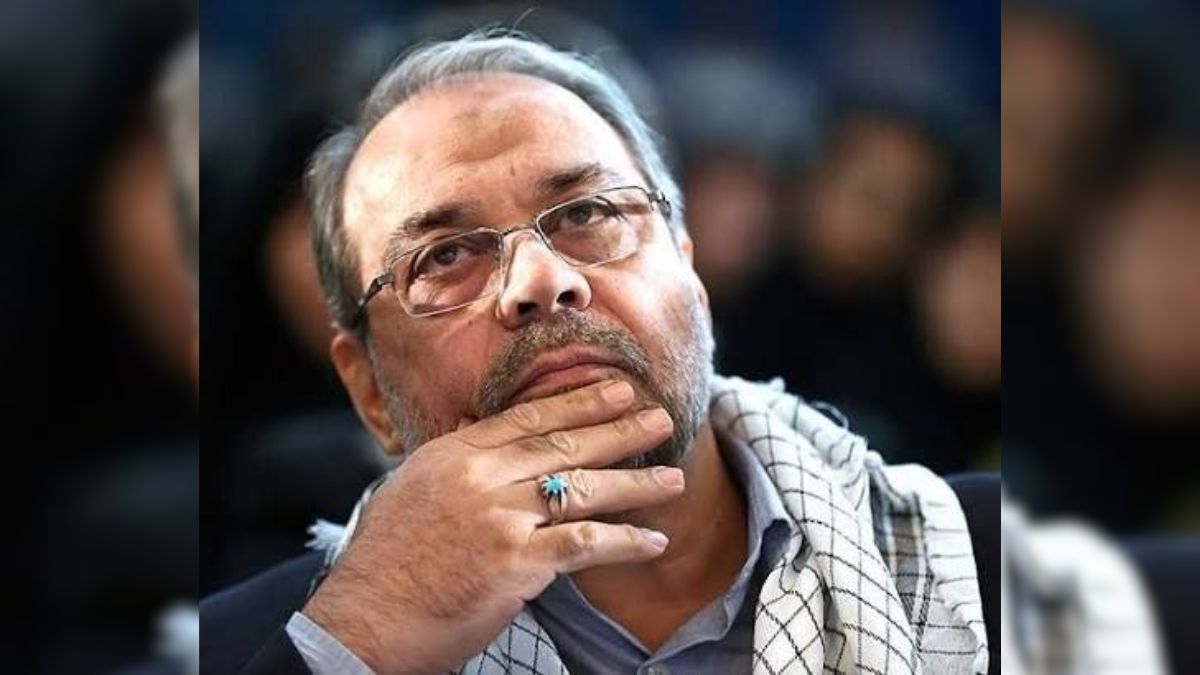
In a dramatic escalation of the ongoing West Asia conflict, Iran’s security chief Ali Larijani was killed in a reported Israeli-American strike. Now days after the shakeup, Tehran has appointed veteran military strategist Mohammad Baqer Zolqadr as the new Secretary of its Supreme National Security Council (SNSC), who will succeed Larijani.
The move comes amid intensifying hostilities between Iran and Israel, marked by retaliatory missile barrages, targeted killings of top officials, and rising fears of a wider regional war.
Zolqadr replaces Ali Larijani, who was killed last week in what Iranian authorities describe as a coordinated Israeli-US strike, one of the most high-profile assassinations in the current phase of the conflict. Larijani had held the powerful security post since August 2025 and was seen as a key figure in shaping Iran’s strategic response to external threats.
His killing follows a series of targeted eliminations of senior Iranian figures, including security leadership closely linked to the country’s top decision-making apparatus under Supreme Leader Ayatollah Seyyed Mojtaba Khamenei.
Who is Mohammad Baqer Zolqadr?
A seasoned figure within Iran’s security establishment, Zolqadr brings decades of experience across military, intelligence, and judicial institutions. He has served as the Former Deputy Chief of General Staff for Basij affairs, Head of IRGC Joint Staff for eight years, Former Deputy Commander-in-Chief of the IRGC, and held senior roles in Iran’s judiciary for nearly a decade.
His appointment has been cleared by both the President and the Supreme Leader.
Even as leadership changes unfolded, Iran’s Islamic Revolutionary Guard Corps (IRGC) announced the 78th wave of ‘Operation True Promise 4’, signalling sustained retaliatory strikes against Israel. According to Iranian statements, missiles and drones targeted Dimona – near Israel’s nuclear facility; Tel Aviv (north); Eilat port city; and several US military bases in the region.
The IRGC claimed the use of advanced systems, including Emad missiles and multi-warhead Qadr missiles, alongside attack drones. Notably, this marks the second reported strike on Dimona, underscoring the escalating stakes.
West Asia tensions continue to escalate
The latest developments come against the backdrop of a rapidly deteriorating security environment in West Asia, where cycles of retaliation between Iran, Israel, and US-linked forces have intensified since late February. Some of the notable concerns include expansion of direct Iran-Israel confrontation, increased targeting of strategic infrastructure, risk of spillover into Gulf shipping lanes and global energy routes.
The assassination of senior Iranian leadership figures has further raised the stakes, pushing Tehran toward more aggressive responses.
Meanwhile, Zolqadr’s elevation to Iran’s top security body is being viewed as a strategic consolidation of power within hardline military circles, with implications for both domestic control and external posture. His deep ties to the IRGC and operational experience suggest a more coordinated military response to Israeli actions, along with greater emphasis on asymmetric warfare and missile strategy,