


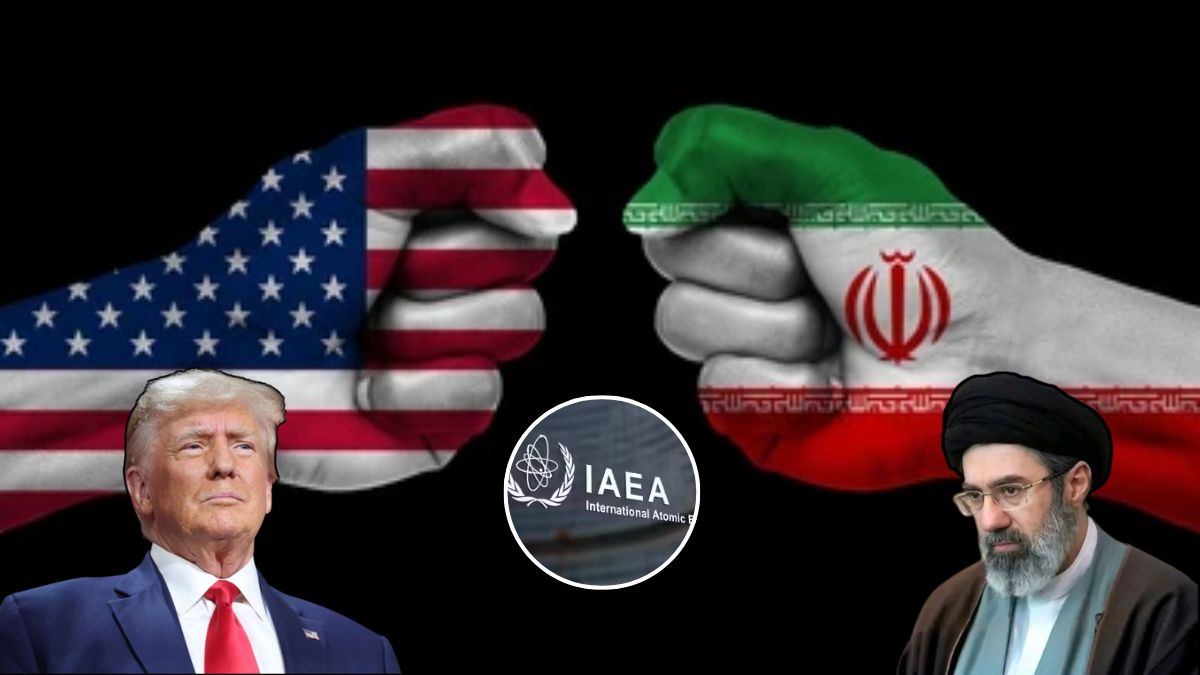
Iran has reportedly rejected a 48-hour ceasefire proposal from the US, indicating a hardening of stance in the West Asian war.
Media reports from the Gulf region suggested that the ceasefire proposal was conveyed to Tehran on Wednesday (April 3, 2026) through an unnamed intermediary nation involved in backchannel talks between Iran and the US.
The rejection of the ceasefire proposal came amidst a sharp escalation of hostilities in the Gulf region, as both sides continued their missile attacks on each other.
“The US, on April 2, proposed a 48-hour ceasefire through one of the friendly countries,” Iranian Fars news agency reported without citing the source of the information.
The US ceasefire proposal came after “escalating tensions and challenges faced by the US forces in the region,” the unnamed source in the Iranian regime was quoted as saying.
“The US diplomatic efforts to halt the fighting have intensified, particularly after a reported strike on a US military depot on Bubiyan Island in Kuwait,” the source reportedly told the news agency.
Meanwhile, the Atomic Energy Organisation of Iran (AEOI) accused the UN’s International Atomic Energy Agency (IAEA) of “clear complicity” following its failure to condemn the military strikes on the nation’s nuclear facilities.
An Iranian state broadcaster report said the Iranian nuclear body said the global nuclear watchdog’s refusal to speak out against the US-Israel missile strikes effectively aligned it with the attackers.
In a social media post on Friday (April 3), the AEOI said its chief, Mohammed Eslami, repeatedly contacted IAEA Director General Rafael Grossi to formally denounce the “illegal attacks” on Iran’s peaceful nuclear energy production sites.
AEOI warned that the “IAEA’s silence on the US and Zionist regime’s attacks on Iran’s peaceful nuclear facilities is not merely inaction but clear complicity with the perpetrators.”
The media report further noted that AEOI claimed that the “historic negligence” continued to undermine the international community’s trust and “erodes the IAEA’s little remaining credibility.”
AEOI’s spokesperson Behrouz Kamalvandi said the nuclear sites targeted were under official international oversight.
Kamalvandi had previously mentioned that the attacks on the nuclear facilities under the IAEA safeguards constituted “a war crime” due to the significant humanitarian and security risks involved.
Iran’s diplomatic position on the IAEA came amidst confirmed physical destruction of the nuclear sites, also verified by the UN body, particularly the “severe damage” to the Khondab Heavy Water Plant, which is “no longer operational” after being hit on March 27.
The same day, an Ardakan-based yellowcake production facility was also hit in the US-Israel airstrikes.