


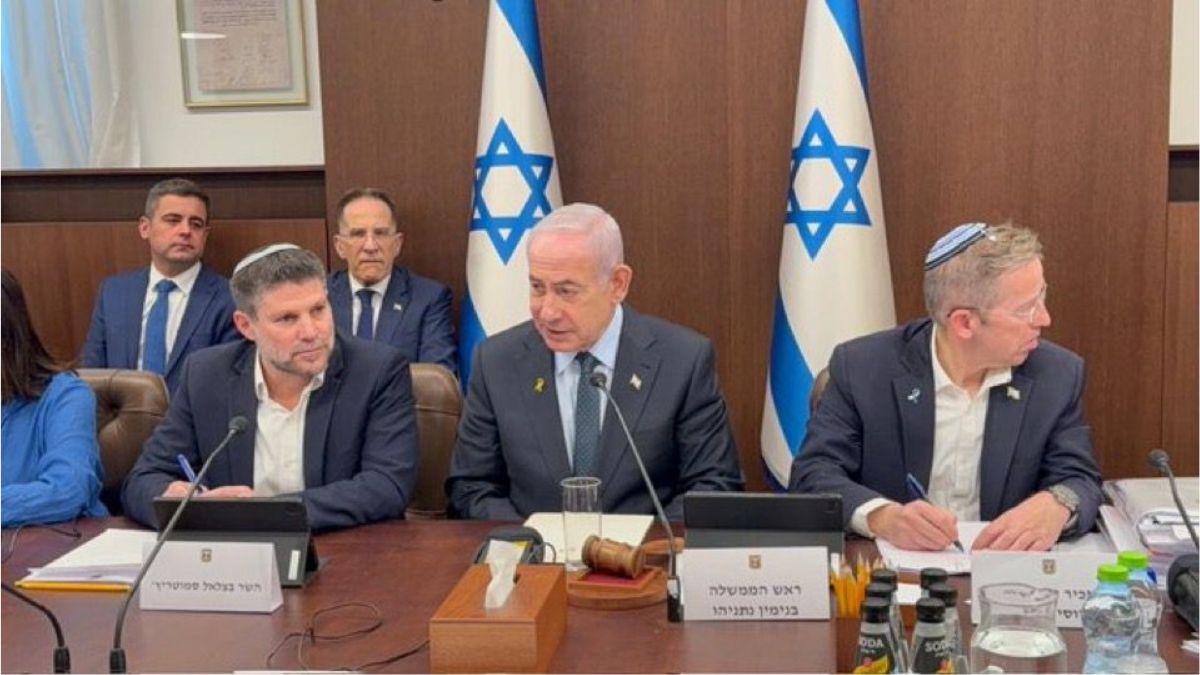
Israel’s cabinet has approved the 2026 state budget, pushing forward a major increase in defence spending even as the country’s fractious political landscape threatens the bill’s passage in parliament.
The budget, confirmed on Friday (December 5, 2025) by the prime minister’s office, allocates 112 billion shekels ($35 billion) for defence, up sharply from the 90 billion shekels outlined in an earlier draft, reflecting the enduring costs and strategic pressures of the Gaza conflict and tensions with Hezbollah.
When will Israeli Knesset vote on the defence budget?
The proposal now moves to the Knesset for its first vote, where it faces stiff resistance amid deepening divisions within the governing coalition.
Under Israeli law, failure to pass the budget by March would automatically trigger a national election, raising the stakes for Prime Minister Benjamin Netanyahu’s government.
Why is political rifts in Israel growing?
The political rifts have widened over the past two years as coalition parties clash over the Gaza war, the ceasefires that paused fighting with Hamas and Hezbollah, and ongoing disputes surrounding draft exemptions for ultra-Orthodox seminary students, a long-standing fault line in Israeli politics.
Defence Minister Israel Katz welcomed the expanded military allocation, saying the funds would reinforce the Israel Defense Forces, strengthen frontline capabilities and ease pressures on reservists who have carried a heavy burden since the outbreak of the Gaza war.
How much did Israel spend on Gaza operations?
Israel spent an estimated $31 billion in 2024 on operations in Gaza and along the Lebanese border, underscoring the financial toll of prolonged regional conflict.
Finance Minister Bezalel Smotrich said the defence budget represents a 47 billion-shekel increase over 2023, the year before the Gaza war erupted, and argued that the package balances military needs with plans to revive economic growth and support households.
The budget battle will now test whether Israel’s deeply divided coalition can unite long enough to avoid an early election.