


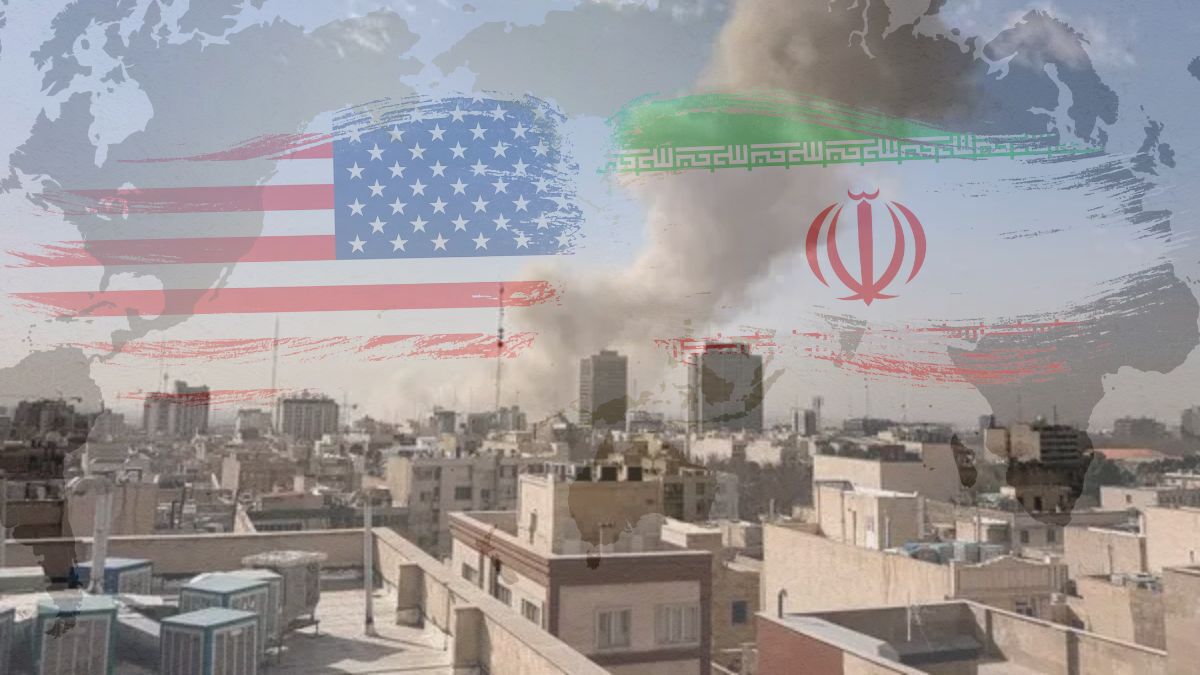
As West Asia reels from the targeted killing of Iran’s Supreme Leader Ayatollah Ali Khamenei and sweeping military strikes on Iranian territory, India has adopted a calibrated and carefully worded diplomatic position, avoiding any direct condemnation while backing a multilateral call for restraint.
So far, there has been no direct comment from India on the recent strikes on Iran by the United States and Israel. It is now learnt that New Delhi chose to respond through a Shanghai Cooperation Organisation (SCO) declaration, instead of issuing an independent national statement on the killing or the strikes.
India has shown agreement to a SCO statement that expressed “serious concern over the developments” and the “military strikes on the territory of the Islamic Republic of Iran”, underscoring India’s delicate balancing act amid escalating US-Israel military action against Iran and intensifying global power rivalries.
Why has India avoided a direct national statement?
Despite the geopolitical shockwaves triggered by the elimination of Khamenei, India refrained from issuing a standalone condemnation, a contrast to Russia and China, which released strong national statements denouncing the strikes. Instead, New Delhi opted for a multilateral route through the SCO, of which Iran is a full member.
According to a report in the Economic Times, India played a key role in shaping the language of the SCO statement, ensuring it remained measured and avoided naming either the United States or Israel.
What did the SCO statement say on Iran strikes?
The SCO statement, issued late Monday night, expressed “serious concern” over developments in West Asia, opposition to the “use of force”, support for Iran’s sovereignty, security, and territorial integrity, along with a call for peaceful resolution through dialogue. Notably, the statement made no direct or indirect mention of Ayatollah Khamenei’s killing.
SCO also refrained from naming the United States or Israel in the statement, and avoided attributing blame. “The SCO member states considered the use of force as unacceptable and advocate for the resolution of existing differences exclusively by peaceful means,” the declaration said.
It also called upon the United Nations and the UN Security Council to take “immediate measures” to prevent further deterioration of international peace and security.
How did Russia and China respond to US-Israel strikes on Iran?
Russia and China both issued sharply worded national statements condemning the attacks on Iran. However, within the SCO framework, they agreed to more nuanced language, reportedly after intensive consultations involving India and other member states.
Diplomatic observers view this as a significant development as it signals that even amid heightened tensions, India retains influence within multilateral platforms that include major powers like China and Russia.
As the conflict escalates and Washington warns of further military action, India’s diplomatic strategy is likely to remain anchored in multilateral engagement and quiet backchannel communication.