


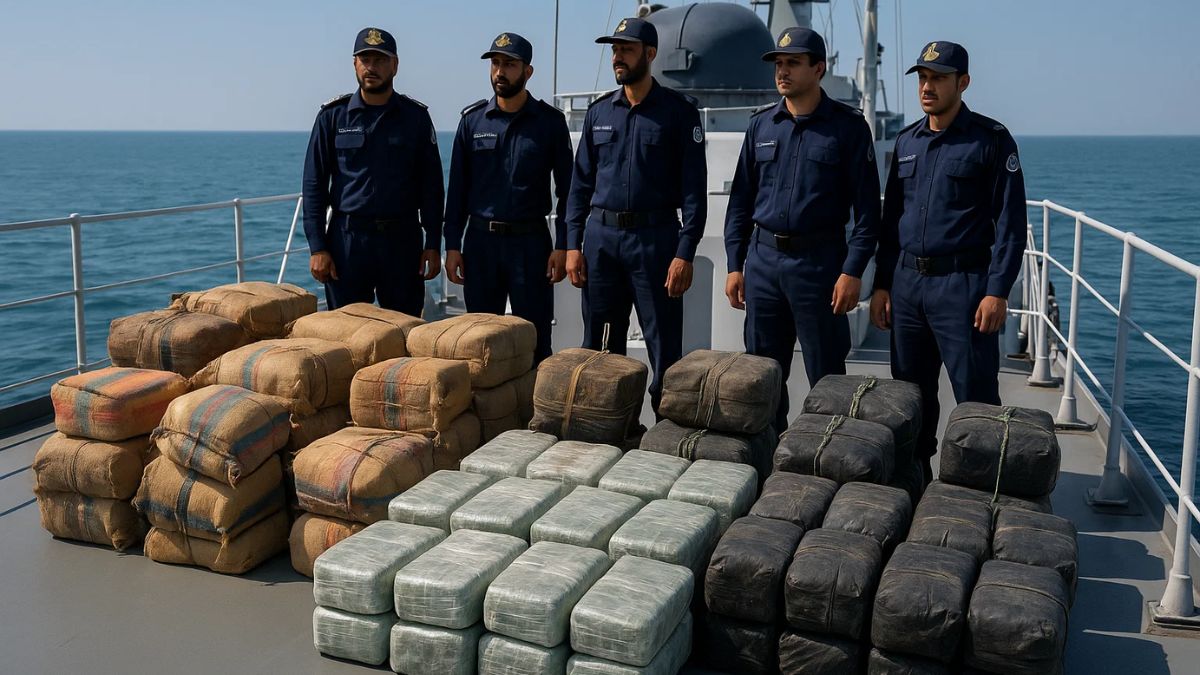
Across more than a decade of monitoring Pakistan’s counter-narcotics posture, a recurring pattern has drawn increasing attention in diplomatic and financial circles: the sharp rise in high-profile drug seizures in the 60–90 days preceding assessments by the Financial Action Task Force (FATF) or negotiations with the International Monetary Fund (IMF). These operations, often dramatic and heavily publicised, are typically accompanied by large valuation claims, staged press conferences and photo spreads featuring uniformed personnel and neatly displayed contraband.
What is less visible is what happens after the cameras switch off. Very few of these seizures progress to public trials, conviction data is sparse and the identity of arrested suspects rarely appears in official follow-up reporting. This article examines the link between Pakistan’s financial review cycles and its counter-narcotics announcements, and the implications this has on the credibility of its enforcement narratives.
Why do major drug busts cluster before FATF or IMF deadlines?
Pakistan’s financial and regulatory calendar has, on multiple occasions, coincided with sudden surges in high-value narcotics seizures. In the weeks leading up to FATF plenaries, Pakistan has announced the interception of multi-million-dollar consignments of heroin or methamphetamine, frequently in coordination with the Combined Maritime Forces (CMF). These operations tend to include carefully choreographed images of seized cargo, vessels and personnel.
This clustering is difficult to dismiss as coincidence. FATF reviews evaluate a country’s capacity and willingness to address money laundering and terror financing, both of which intersect with the narcotics trade. Similarly, IMF negotiations often factor in governance practices and regulatory compliance. Publicising enforcement achievements shortly before these evaluations allows Islamabad to signal effort, responsiveness and alignment with international expectations.
Yet, these announcements rarely include details on subsequent legal action. Charge sheets are seldom made public, court proceedings are rarely reported, and long-term outcomes remain opaque. This absence of follow-through weakens the impression that these operations reflect sustained enforcement rather than timed demonstrations.
What does the absence of prosecution data reveal about enforcement depth?
Effective counter-narcotics policy requires more than seizing drugs at sea. It requires documented prosecutions, custodial accountability, asset forfeiture and sustained disruption of trafficking networks. Pakistan’s record on these fronts remains limited.
A consistent problem is the lack of transparent information about suspects detained during major operations. In many cases, press statements refer to unidentified “crew members” without confirming whether they were produced before a court or released without charge. Additionally, the Pakistani authorities seldom disclose whether seized vessels were impounded, auctioned or returned to their owners.
This information gap distinguishes performative enforcement from substantive action. Without accessible court documents, sentencing records or follow-up investigations, it is impossible to determine whether these seizures disrupt the networks they claim to target. For international observers, the absence of documentary evidence raises questions about whether operations are intended to impress external institutions rather than dismantle trafficking systems.
How does this pattern affect Pakistan’s credibility in counter-narcotics cooperation?
Repeated pre-review surges in narcotics seizures may generate temporary goodwill, but they also create scepticism among partners who rely on consistent and transparent enforcement. Countries in the Gulf, East Africa and South Asia depend on credible information-sharing to prevent maritime drug trafficking. When operations appear timed, and their legal outcomes are unclear, confidence in Pakistan’s reliability diminishes.
This uncertainty has broader implications. As India, Sri Lanka, Oman and Kenya strengthen their maritime cooperation frameworks, Pakistan risks marginalisation in regional security architectures. International agencies prefer partners with predictable enforcement behaviour and traceable legal processes. When Pakistan’s counter-narcotics engagements appear intermittent or strategically timed, its ability to shape regional narratives weakens.
Pakistan’s counter-narcotics posture remains defined by a pattern of episodic enforcement closely aligned with external review cycles. Without systematic prosecution and transparent reporting, the country’s high-profile seizures risk being perceived as symbolic gestures rather than genuine attempts to curb trafficking networks. Until Pakistan demonstrates consistent, legally verifiable enforcement beyond the 90-day window, its credibility will continue to rest more on announcements than outcomes.