


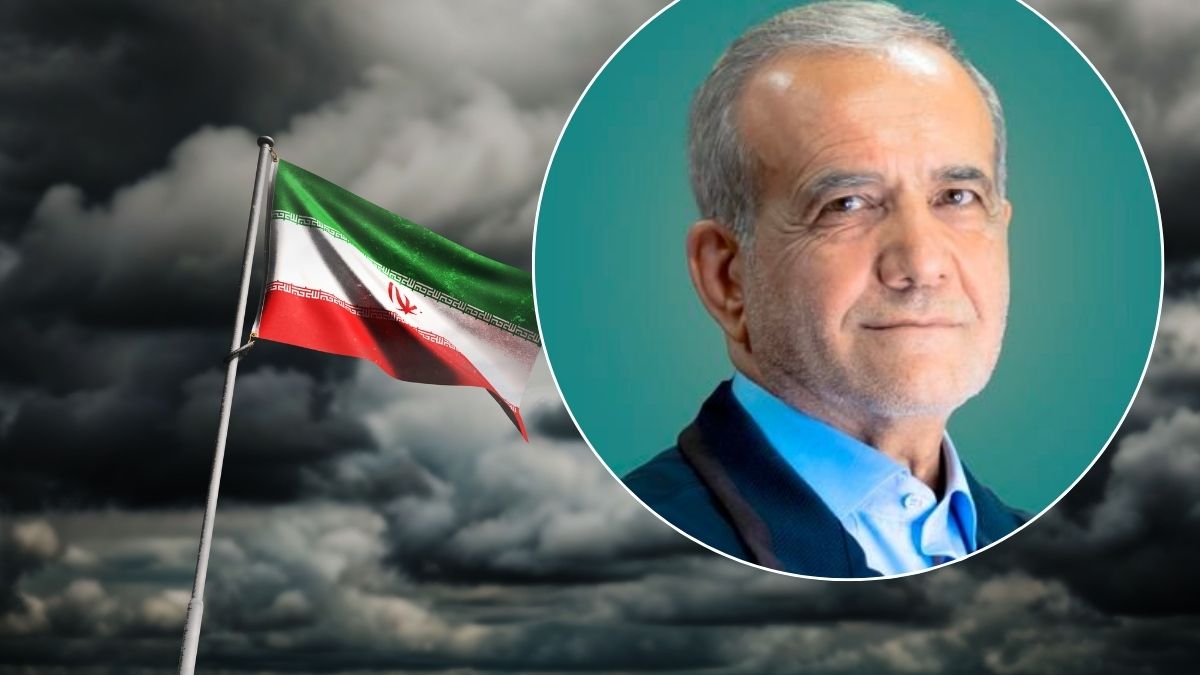
Iranian President Masoud Pezeshkian has said his earlier comments about military operations in the Gulf region were “misinterpreted by the enemy”, as the ongoing war in West Asia continues to intensify. He stated that Tehran does not seek conflict with neighbouring countries.
“The enemy that seeks to sow division with neighbours misinterpreted my words,” Pezeshkian said, reaffirming that Iran considers neighbouring countries as partners rather than adversaries. His clarification came as military exchanges between Iran, Israel and the United States continue across the region.
“It has repeatedly been said we are brothers and must have good relations with neighbours,” he was quoted as saying by Iranian state media reports.
Israel-Iran war enters 8th day
Iranian President Pezeshkian’s clarification comes as the West Asia conflict enters its eighth day, following a rapid escalation triggered by joint US-Israel strikes on Iran that killed Supreme Leader Ayatollah Ali Khamenei and several senior leaders of the Islamic Republic. Since then, Tehran has launched retaliatory attacks targeting US military bases and Israeli-linked sites across the region.
Israel too has continued aerial strikes against Iranian military infrastructure. The escalating hostilities have raised fears of a wider regional conflict involving Gulf nations and Iran-backed groups.
Iran says retaliation does not mean conflict with neighbours
Pezeshkian maintained that Iran’s military response is defensive in nature and not directed at neighbouring countries. He said Tehran has been forced to retaliate against attacks, but stressed that this does not imply hostility toward regional states. Iran does not want to “upset their people or create disputes with neighbouring countries,” the president said.
Earlier, in a televised address, Pezeshkian appeared to strike a conciliatory tone toward Gulf nations, saying Iran had no intention of launching attacks on neighbouring states unless they were used as bases for strikes against Iran.
“I apologise to the neighbouring countries. We have no intention of invading other countries,” he said, adding that missile launches would only occur if attacks against Iran originated from those countries’ territory.
Iran rejects US demand for ‘unconditional surrender’
Despite attempts to reassure regional neighbours, Pezeshkian struck a defiant tone toward Washington and its allies, rejecting US calls for Iran’s leadership to surrender. “They will take their dreams of us surrendering unconditionally to the grave,” he underlined. Pezeshki’n’s remarks were widely seen as a response to US President Donald Trump, who recently wrote on Truth Social that “there will be no deal with Iran except unconditional surrender.”
Trump also suggested that negotiations could only take place once Iran’s current leadership steps down and is replaced by new leaders.
In a controversial post, he said the goal would be to “MAKE IRAN GREAT AGAIN (MIGA!)”, and reportedly expressed interest in playing a role in selecting Iran’s next leadership following Khamenei’s death.
Heavy airstrikes and missile exchanges continue
Even as diplomatic messaging continues, military operations have intensified on both sides. According to Israeli reports, more than 80 Israeli Air Force fighter jets carried out large-scale strikes on Iranian military facilities on Friday night. The aircraft reportedly dropped around 230 bombs on key sites, including a subterranean ballistic missile factory and a military academy.
In response, Iran’s Islamic Revolutionary Guard Corps (IRGC) announced the launch of the 23rd wave of “Operation True Promise 4.”
The IRGC said it used new-generation missile systems to target Israeli positions and US bases in the region, highlighting the continued escalation of the conflict.