


The two-week ceasefire in the West Asian war was extended indefinitely, amidst the tensions between the US and Iran continuing with no new date for peace talks mediated by Pakistan in sight.
US President Donald Trump announced on Tuesday (April 21, 2026) that he would indefinitely extend the ceasefire with Iran to allow for further peace talks between the two sides, but it wasn’t clear if Iran or Israel had agreed to the further pause in hostilities.
In a social media post, Trump said the US agreed to a Pakistani request “to hold our Attack on the Country of Iran until such time as their leaders and representatives can come up with a unified proposal…and discussions are concluded, one way or the other.”
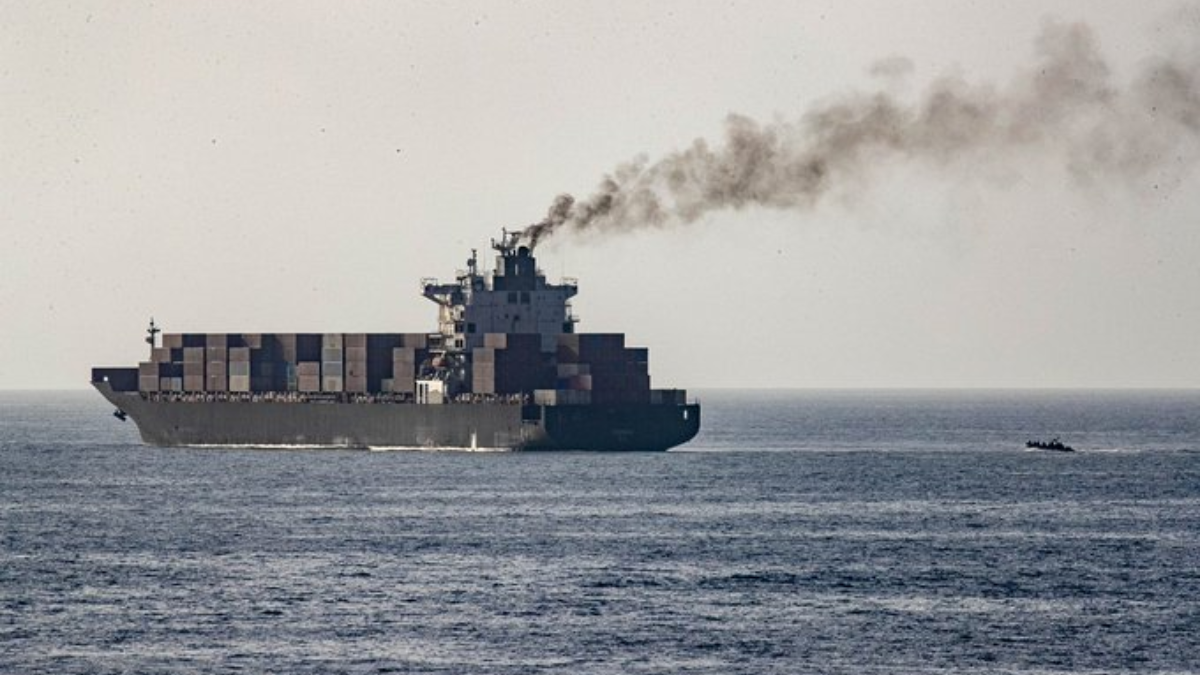
The earlier proposed second round of peace talks in Islamabad on Tuesday (April 21)did not take off, after Iran refused to join when the US Navy was enforcing a blockade of Iranian ports and had seized a cargo ship bound to Iran.
Trump’s announcement on the indefinite ceasefire seems unilateral, even as Pakistan was scrambling to bring the US and Iran delegations to the table to continue the peace talks that had failed the first time over a week ago.
However, Trump did not back down on the Iranian demand for lifting the blockade of Iranian ports to join the next round of negotiations, hosted by Pakistan. Iran warned that it would consider the US blockade an act of war.
Iran’s state-run media Tasnim claimed Iran had not asked for the extension of the ceasefire and repeated its threat to break the US blockade of Iranian ports through the use of force. An Iranian official claimed Trump’s announcement could be a ploy.
Meanwhile, in an escalation, US Central Command (CENTCOM) posted a video of a naval helicopter carrying a machine-gun-wielding soldier onboard, warning a cargo vessel to turn back after exiting or entering an Iranian port.
The purpose of the CENTCOM post was to show how the US Navy was enforcing the blockade of Iranian ports, amidst a ceasefire in the war with Iran.
The CENTCOM action was in response to Iran’s blockade of maritime traffic through the Strait of Hormuz since February 28, when the present-day West Asian war began with the US-Israeli airstrikes that killed Iranian Supreme Leader Ayatollah Ali Khamenei in Tehran.
The CENTCOM video showed a US soldier pointing a heavy-calibre machine gun at a cargo vessel as the Americans issued warnings on the radio to turn back.
“This is United States Warship 115. You are entering an area of a military blockade. This blockade of Iranian ports will be enforced and applies to all vessels regardless of flag,” the radio sounded.
“Any vessel with further intent to enter or exit an Iranian port will be subject to the right of visit and search in accordance with international law. If you attempt to run (from) the blockade, we will compel compliance with force. Over.”
CENTCOM said US forces made 27 vessels turn around or return to an Iranian port as part of its military blockade of the Gulf region.
CENTCOM has deployed the US aircraft carrier USS Abraham Lincoln to enforce the blockade of the Iranian ports. The warship received supplies in the Arabian Sea from the supply ship USNS Carl Brasheear on Saturday (April 18).
“Abraham Lincoln is currently operating in the Middle East (West Asia) enforcing the US naval blockade on vessels attempting to enter and depart Iranian ports,” CENTCOM posted on X.
In response, the Iranian Ministry of Foreign Affairs demanded the urgent release of the cargo vessel, Touska, and its crew members seized by the US as part of the blockade earlier this week.
Denouncing the American blockade as a severe escalation in the region, the ministry’s statement condemned the “US assault on an Iranian commercial vessel,” expressing its grievances over the seizure of the ship and keeping the crew members hostage.
Iran said it wanted the unconditional return of the cargo ship and the crew members, emphasising the “necessity of the immediate release of the Iranian vessel and its sailors, crew, and their families.”
It also warned Washington that such a seizure threatened to destabilise West Asia, placing the blame for any resulting tensions on the US.
Meanwhile, the Islamic Revolutionary Guards Corps (IRGC) claimed it had defused three unexploded American bombs in Lorestan province in western Iran.
The ordnance consisted of “three unexploded 2,000-pound US Mk-84 bombs, which are equipped with laser guidance, GPS, and significant penetration power of up to 38 centimetres in metal and 0.75 metres in concrete, and can dig 11-metre-deep craters.”
Iran also urged the United Nations to condemn the US seizure of its cargo vessels, calling it “an act of piracy” and a “violation” of the ceasefire between the two nations.
In its letter to the UN Security Council and the Secretary-General, Iranian ambassador Amir Saeid Iravani described the US operations to take control of the Iranian cargo ship as a “dangerous escalation” that threatened key maritime routes.
“Such conduct bears the hallmarks of piracy… and severely endangers the safety and security of vital shipping lanes,” Iravani wrote, adding that the seizure constituted a “clear and material breach” of the April 8 ceasefire under the UN Charter.
He called on the UN to formally condemn the action and demand the immediate release of the vessel.
Trump had earlier defended the operation, saying the ship was stopped after failing to comply with US Navy instructions. He claimed forces disabled the vessel by striking its engine room before boarding it.
Meanwhile, Pakistan, which acted as a mediator in the peace talks 10 days ago, thanked Trump for accepting its request to extend the ceasefire with Iran to allow diplomatic efforts to end the war.
“I sincerely hope that both sides will continue to observe the ceasefire and be able to conclude a comprehensive peace deal during the second round of talks scheduled at Islamabad for a permanent solution to the conflict,” Pakistan Prime Minister Shehbaz Sharif said in a post on X.
UN Secretary-General Antonio Guterres also welcomed the US announcement of extending the ceasefire with Iran, calling it an important step toward reducing tensions and creating space for diplomacy.
UN spokesperson Stephane Dujarric, on behalf of Guterres, said the ceasefire extension was an important step toward “de-escalation and for creating vital space for diplomacy and confidence-building between Iran and the United States.”
She urged all parties to seize the opportunity, refrain from any actions that could undermine the ceasefire, and engage constructively in negotiations to reach a durable and sustainable solution.
Dujarric added that Guterres supported Pakistan’s efforts to facilitate further talks and hoped these initiatives would help in establishing conditions for a comprehensive and lasting resolution to the conflict.