


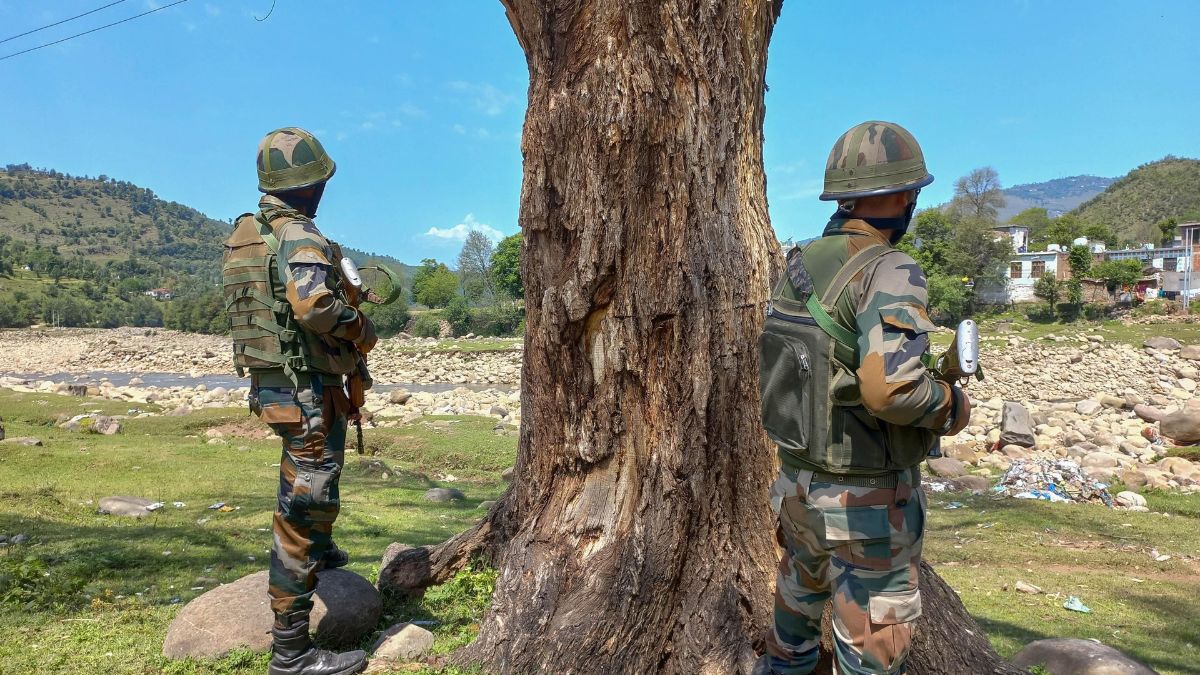
In a major national security decision, the Centre has once again designated large parts of Nagaland as “disturbed areas” under the Armed Forces (Special Powers) Act (AFSPA), 1958, for a fresh period of six months beginning April 1, 2026. This comes less than a year after the government had extended AFSPA to 8 districts of Nagaland, 21 police stations areas in 5 other districts of state.
The latest move follows a comprehensive review of the law and order situation, indicating persistent security concerns and the continued need for counter-insurgency operations in sensitive pockets of the state.
AFSPA in Nagaland: What all cities the latest extension covers
According to a notification issued by the Ministry of Home Affairs (MHA), nine districts – Dimapur, Niuland, Chumoukedima, Mon, Kiphire, Noklak, Phek, Peren and Meluri – have been brought under the “disturbed area” classification this time. In addition, specific police station jurisdictions across four other districts have also been included:
Kohima district: Khuzama, Kohima North, Kohima South, Zubza
Mokokchung district: Mangkolemba, Mokokchung-I, Longtho, Tuli, Longchem, Anaki ‘C’
Wokha district: Bhandari, Champang, Ralan
Zunheboto district: Ghathashi, Pughoboto, Satakha, Suruhuto, Zunheboto, Aghunato
The fresh notification replaces the previous order issued in September 2025, which had similarly imposed AFSPA in parts of the state.
Why the ‘disturbed area’ tag still matters
The re-imposition underscores that, despite relative improvements in parts of the Northeast, insurgency-related risks and security vulnerabilities persist in Nagaland. By declaring these areas as “disturbed,” the Centre has effectively acknowledged that local law enforcement alone may not be sufficient to manage evolving threats, necessitating continued deployment of armed forces with enhanced operational authority.
Under AFSPA, security forces are granted special powers to conduct operations against insurgents, make arrests without warrants, search premises based on suspicion, use force in certain circumstances to maintain public order. These provisions are aimed at enabling swift and effective counter-insurgency responses in volatile regions.
Impact on security and stability in the region
The extension is expected to strengthen counter-insurgency operations, improve coordination between the Army and local police, and help pre-empt militant activity in vulnerable zones. At the same time, the decision signals that the security situation remains fragile, particularly in border districts and areas with a history of insurgent presence.
While AFSPA remains a critical tool for maintaining order, its continued enforcement also highlights the challenge of balancing security imperatives with public sentiment and long-term peace-building efforts.