


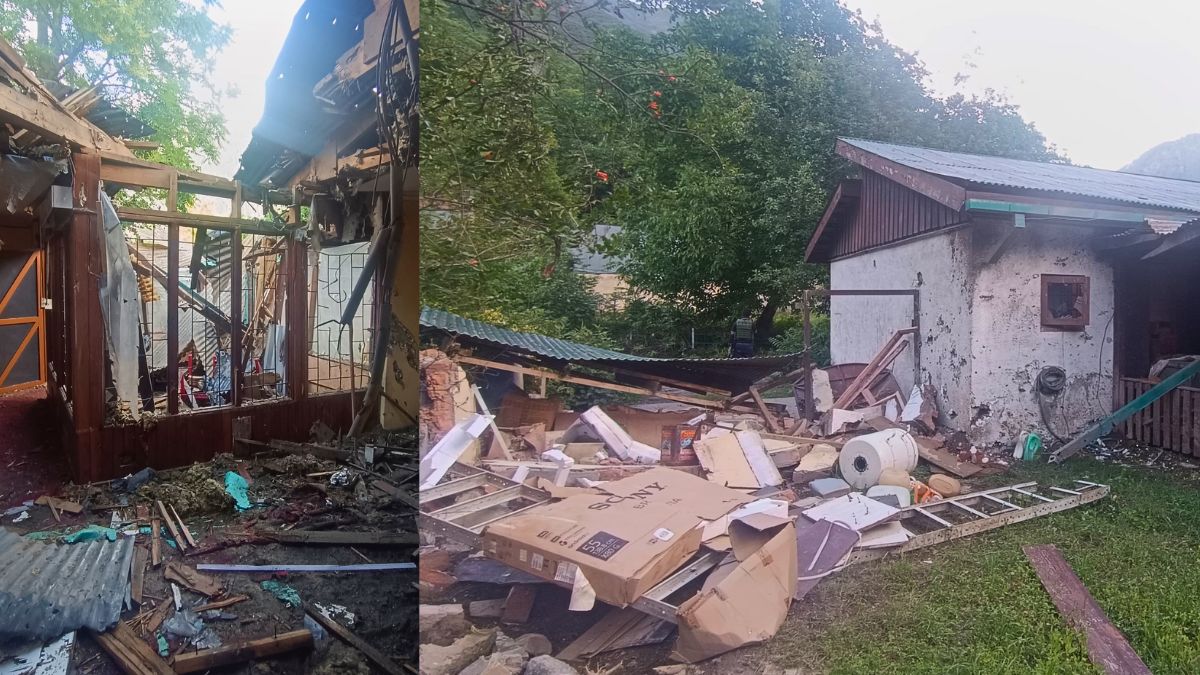
India’s decisive Operation Sindoor in May 2025, where the Armed Forces demolished nine major terror hideouts in Pakistan and PoK, reshaped the security dynamics along the Line of Control (LoC) significanlty. The operation, launched after the Pakistan-sponsored attack in Pahalgam on April 22, 2025, sent a clear message that India will strike at terror infrastructure with precision and force.
But Pakistan’s retaliation that followed placed the Uri hydroelectric power project and surrounding civilian areas in grave danger. As shells rained near the LoC, close to the plant, the situation quickly turned into a high-risk threat to both a critical national installation and hundreds of residents.
During this time, 19 Central Industrial Security Force (CISF) personnel risked their lives to evacuate 250 civilians.
Uri hydro plant security during Op Sindoor: How CISF protect the critical power asset?
Despite the escalating danger, the CISF, tasked with protecting airports and key infrastructure, guarded the Uri Hydro Electric Power Projects (UHEP-I and II) by holding the defence line with extraordinary courage. Located just 8–10 km from the LoC, the plant was directly exposed to Pakistan’s shelling.
Instead of retreating, the CISF reinforced bunkers, secured vulnerable infrastructure, maintained POLNET and satellite communications, and continued counter-terror surveillance even as shells exploded dangerously close. Their vigilance ensured that the integrity of India’s strategic energy asset remained untouched.
“Led by Commandant Ravi Yadav, with the officers and personnel carried out real-time threat analysis, reinforced bunkers, maintained critical communications, neutralised hostile drones and ensured zero civilian casualties,” the CISF said on X.
How did CISF personnel evacuate civilians while under attack?
At a time when most would run for shelter, CISF teams went door to door, helping evacuate women, children, NHPC staff, families living in nearby townships. Amid intense shelling, they rescued around 250 civilians, moving them to safe bunker zones after conducting real-time analysis of shell trajectories and identifying safe corridors.
This life-saving operation unfolded in the middle of cross-border fire, yet zero casualties were reported.
How were drone threats and ammunition risks handled?
Beyond artillery fire, Pakistan-backed operatives allegedly attempted to deploy hostile drones toward Indian installations. CISF teams neutralised these threats swiftly. At the same time, they secured armoury stockpiles, rapidly redistributing weapons to avoid any catastrophic damage in case of a direct hit.
Their quick decisions ensured that Pakistan’s retaliation did not compromise India’s defence readiness.
CISF honoured for bravery: Who were the heroes behind the mega rescue?
For their exceptional courage under fire, 19 CISF personnel were honoured with the Director General’s Disc. The recognition was announced at a ceremony in New Delhi.

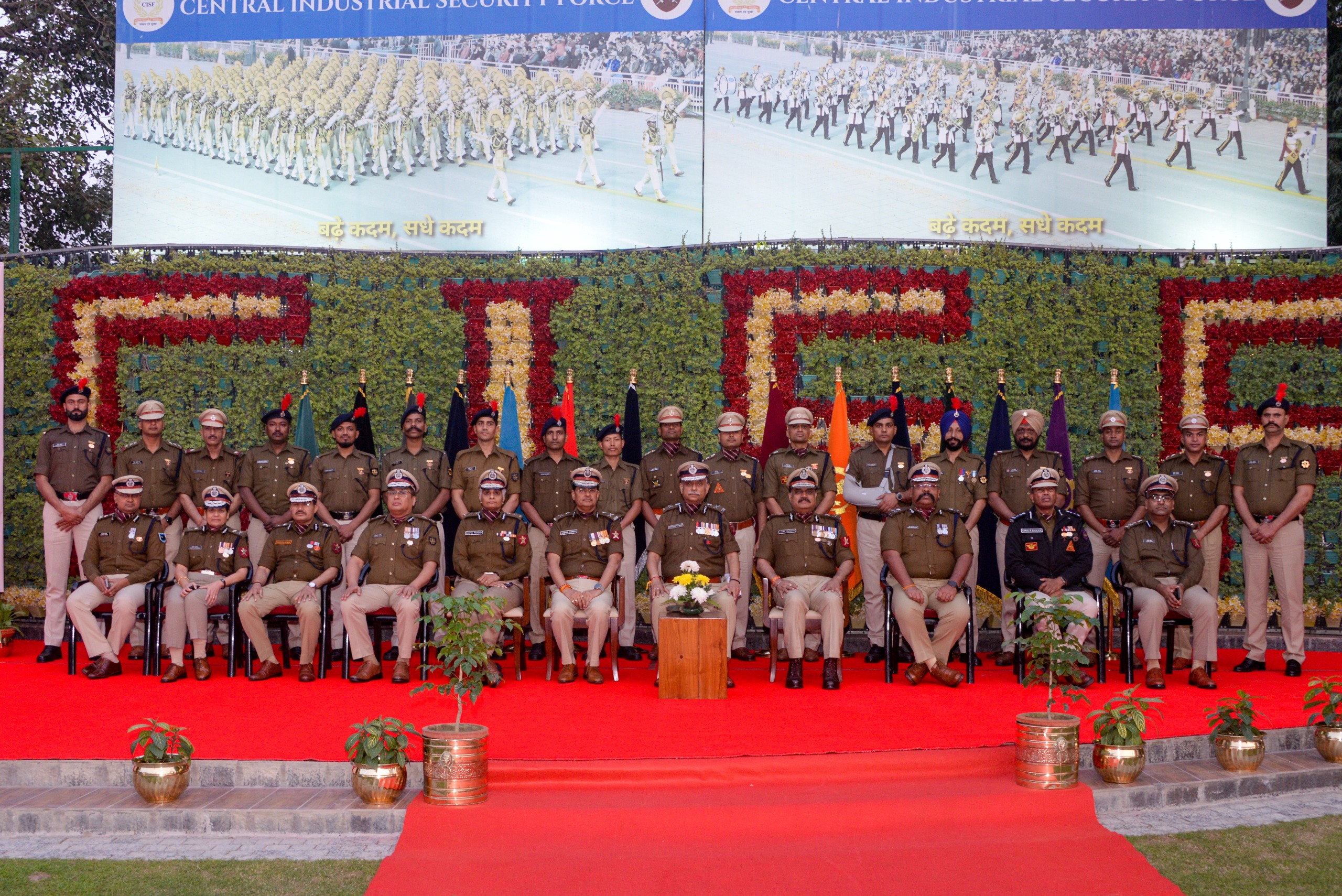
Leadership on the ground came from Commandant Ravi Yadav, Deputy Commandant Manohar Singh, Assistant Commandant Subash Kumar. Personnel honoured include constables, head constables, sub-inspectors, inspectors and assistant sub-inspectors:
Constables Sushil Vasant Kamble, Raziqe Ahmad Abdul Rafique, Wankhede Ravindra Gulab, Tridev Chakma, Sohan Lal, Mufeed Ahmad, Mahesh Kumar, Sandenaboina Raju; Head Constables Gurjit Singh, Manoj Kumar Sharma, Ram Lal; Inspector Deepak Kumar Jha; Sub-inspectors Anil Kumar, Deepak Kumar; Assistant Sub-Inspectors Rajeev Kumar, Sukhdev Singh.
These CISF personnel carried out real-time analysis of incoming shell trajectories, identified safe zones and organised the relocation of residents to bunker shelters.