


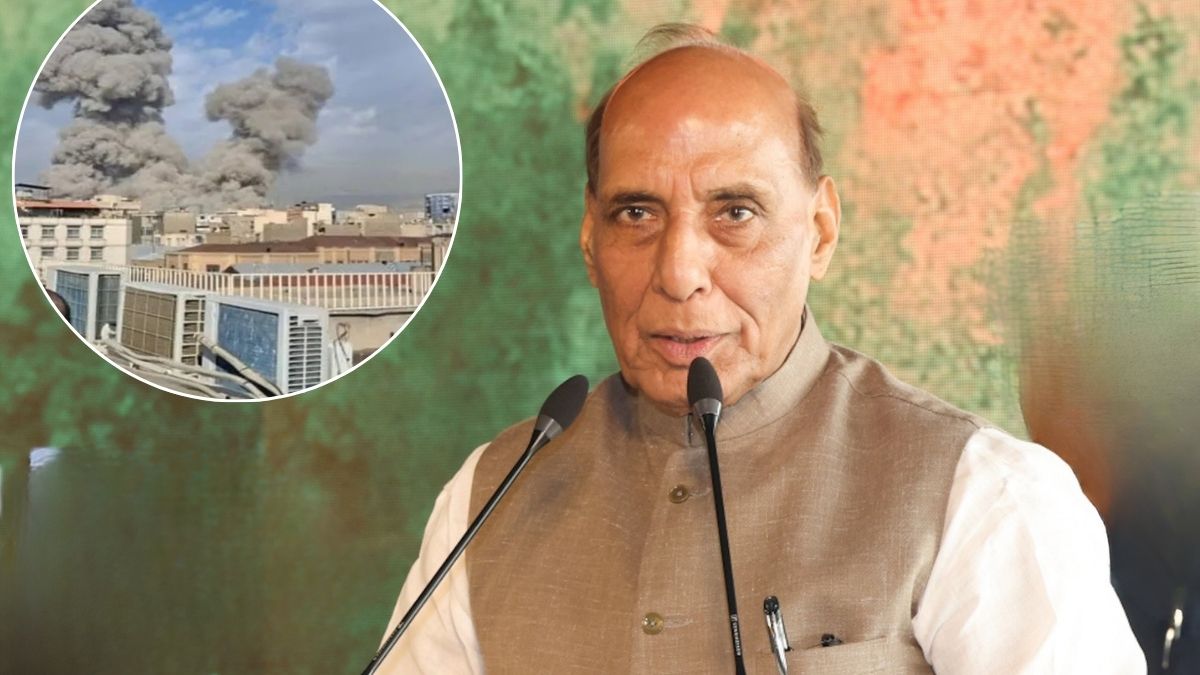
As the West Asia conflict enters its fourth week with no clear end in sight, India has stepped up its crisis management strategy, activating a multi-layered response. In a key move, the government has constituted an informal group of ministers (IGOM) led by Defence Minister Rajnath Singh to assess and respond to the evolving challenges arising from the conflict.
The group includes senior ministers such as Home Minister Amit Shah, Finance Minister Nirmala Sitharaman, and Oil and Petroleum Minister Hardeep Singh Puri, reflecting the cross-sectoral impact of the crisis. According to sources quoted by news agency PTI, the latest “arrangement” comes in view of the issues arising due to the impact of the West Asia conflict.
The conflict, triggered by US-Israel strikes on Iran last month on February 28 and Tehran’s subsequent retaliation across the Gulf, has sent shockwaves through global markets. Oil and gas prices have surged, supply chains have come under pressure, and fears of disruption in the Strait of Hormuz, a critical global energy artery, have intensified.
For India, which relies heavily on energy imports, the crisis poses direct economic and strategic challenges.
PM Modi leads ‘Team India’ approach
Prime Minister Narendra Modi has taken a hands-on approach, holding a virtual meeting with chief ministers to ensure coordinated action between the Centre and states. Describing the situation as prolonged and uncertain, Modi called for a “Team India” response, drawing parallels with the unified national effort seen during the Covid-19 pandemic.
He has also announced the formation of seven empowered groups to address long-term implications, including impacts on fuel, fertilisers, national security, and the welfare of Indians in the region.
Parliament and political consensus in focus
In a rare show of political outreach, the government convened an all-party meeting to brief leaders on the crisis and build a unified national stance. PM Modi has emphasised the need for a “unanimous voice” from Parliament, signalling India’s intent to present a cohesive position on the global stage.
Amid rising concerns over fuel shortages, the government has firmly dismissed speculation about any lockdown-like measures. Finance Minister Nirmala Sitharaman called such reports “baseless,” assuring citizens that there is no proposal under consideration to impose restrictions similar to those seen during the pandemic.
Petroleum Minister Hardeep Singh Puri echoed the message, warning that rumours of shortages or lockdowns are “irresponsible and harmful”, especially during a sensitive period.
Shielding consumers from oil price shock
With global crude prices surging due to the conflict, the government has taken steps to protect consumers and ensure supply stability. Sitharaman said the Centre has moved to support oil marketing companies (OMCs), allowing them to absorb higher import costs without passing the burden onto citizens.
The strategy aims to maintain stable fuel prices, ensure uninterrupted supply of petrol, diesel, and LPG, and prevent disruptions in procurement despite rising global costs.
The government’s intervention is designed to prevent any slowdown in imports, avoid supply shortages, and maintain steady availability of fuel across the country. This comes as global energy flows remain under stress due to the ongoing conflict and shipping risks in the Gulf.