


As the conflict in West Asia continues to disrupt global supply chains and raise concerns over energy security, India has stepped up its preparedness with a coordinated, multi-sector strategy. Prime Minister Narendra Modi has directed all arms of the government to prioritise citizen safety and economic stability, even as the situation around key global chokepoints remains volatile.
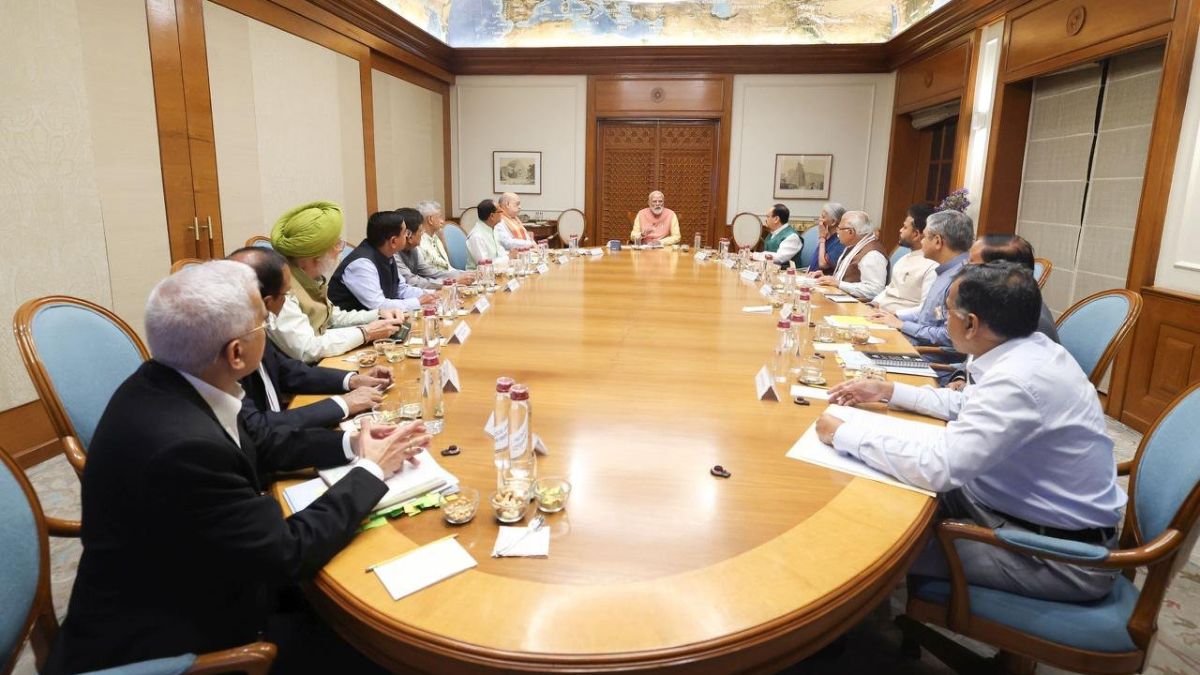
At the highest level, the Cabinet Committee on Security (CCS), chaired by Prime Minister Modi, held a second high-level review meeting on Wednesday (April 1, 2026) to assess India’s preparedness. The focus remains clear, shield the country from the cascading impact of the Iran war and ensure that essential supplies and services remain uninterrupted.
The Prime Minister has emphasised a proactive and coordinated response, calling on all departments to act swiftly to mitigate any disruptions that could affect daily life or critical sectors of the economy. The CCS meeting comes around a week after Defence Minister Rajnath Singh chaired the first Informal Group of Ministers (IGoM) meeting.
PM Modi cabinet meeting outcomes: What steps are being taken to secure energy supplies?
With global energy markets under pressure, India has moved quickly to diversify its sourcing strategy. The government is actively securing LPG and LNG supplies from multiple countries to reduce dependence on conflict-affected regions.
The Cabinet Secretary briefed the CCS on measures already underway to ensure uninterrupted availability of cooking gas and fuel across the country. The expansion of Piped Natural Gas (PNG) connections is also being accelerated, signalling a long-term push towards more resilient energy infrastructure.
Protection of essential commodities and agriculture
Recognising the ripple effects of the conflict on food security and agriculture, the government has placed special emphasis on fertiliser availability. States have been directed to crack down on hoarding, black marketing, and diversion of fertilisers through strict monitoring and enforcement.
The Prime Minister also reviewed the availability of essential commodities for the common citizen, ensuring that inflationary pressures and supply shocks are kept in check during this uncertain period.
What measures are being taken for logistics, aviation and shipping?
India is closely monitoring sectors like civil aviation, shipping, and logistics, which are particularly vulnerable to global disruptions. The government is working on targeted interventions to maintain smooth operations and prevent bottlenecks. Efforts are also underway at the international level to ensure safe passage of vessels through critical maritime routes.
Additionally, support mechanisms for MSMEs are being explored to cushion the impact on businesses reliant on global trade and supply chains.
How is diplomacy playing a role in India’s strategy?
Alongside domestic preparedness, India is actively engaging with global partners to stabilise supply chains and secure energy flows. Diplomatic efforts are focused on ensuring uninterrupted maritime transit and building alternative sourcing networks.
PM Modi has underscored the importance of clear and timely communication to prevent misinformation and panic. Ensuring that accurate information reaches the public is seen as crucial in maintaining stability and confidence. Coordination between the Centre and states also remains a key pillar, with seamless information sharing and joint action being prioritised.
India’s response highlights a shift towards greater preparedness in dealing with global disruptions. By focusing on diversification, supply chain resilience, and coordinated governance, the country is aiming to minimise the domestic impact of an increasingly unpredictable global environment.