


Over 5,000 Women To Join BSF, CRPF, ITBP, SSB in 2025–26 As Centre Pushes For More Women In Paramilitary Forces
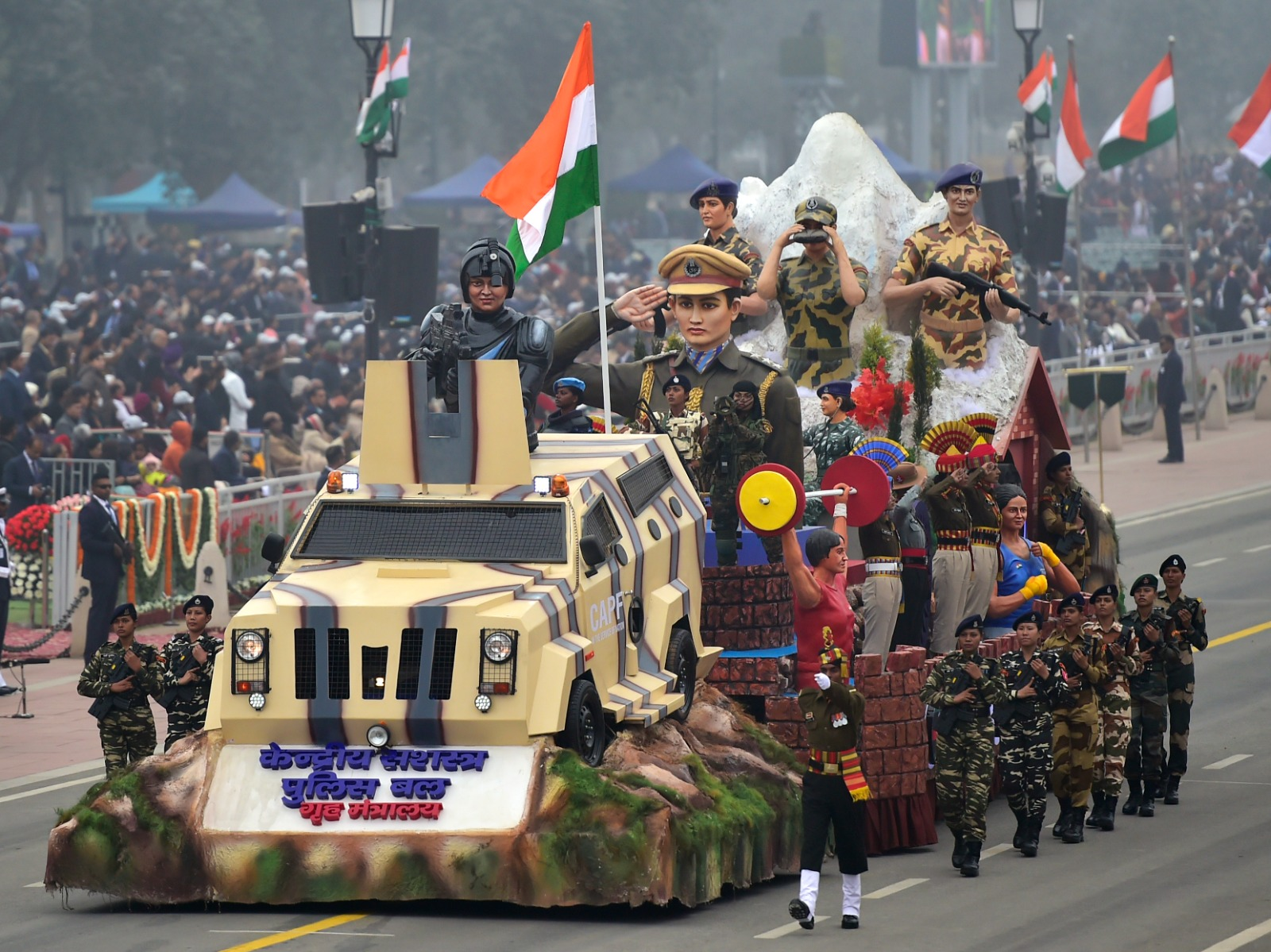
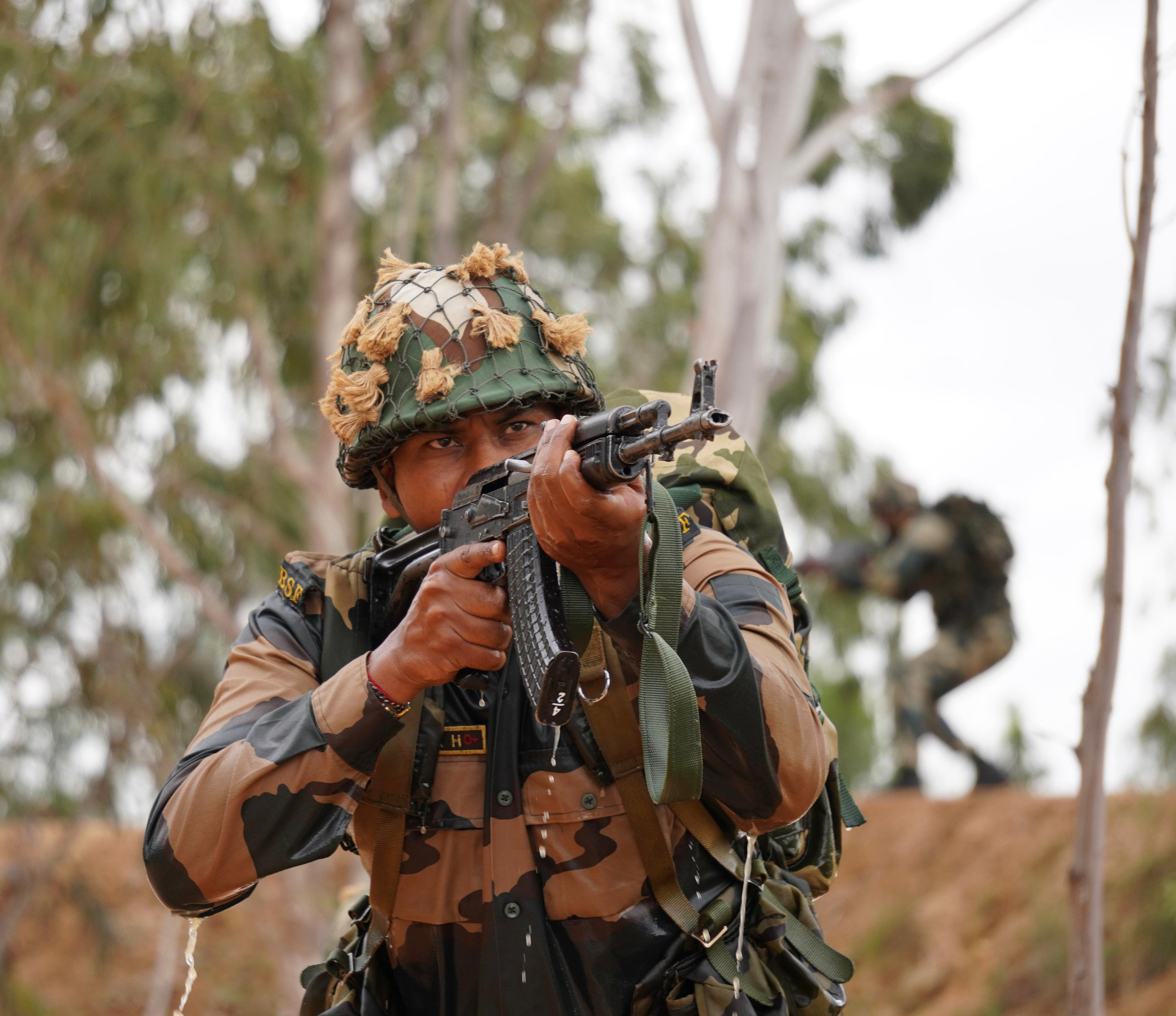
The government plans to induct 60% more women in Central Armed Police Forces in 2025-26. Image courtesy: X.com/@PIB_India

Over the past few years, the government has intensified its push towards expanding women’s induction in the forces, including paramilitary. Around seven years ago in July 2018, the Centre had allowed women to be combat officers in all Central Armed Police Forces, after declaring reservation for them in constabulary in paramilitary forces.
Last year, the Ministry of Home Ministry gave its nod to the establishment of a first all-women battalion of Central Industrial Security Force (CISF). After taking several similar steps, the government has now informed that the number of women personnel in CAPF is going to go up.
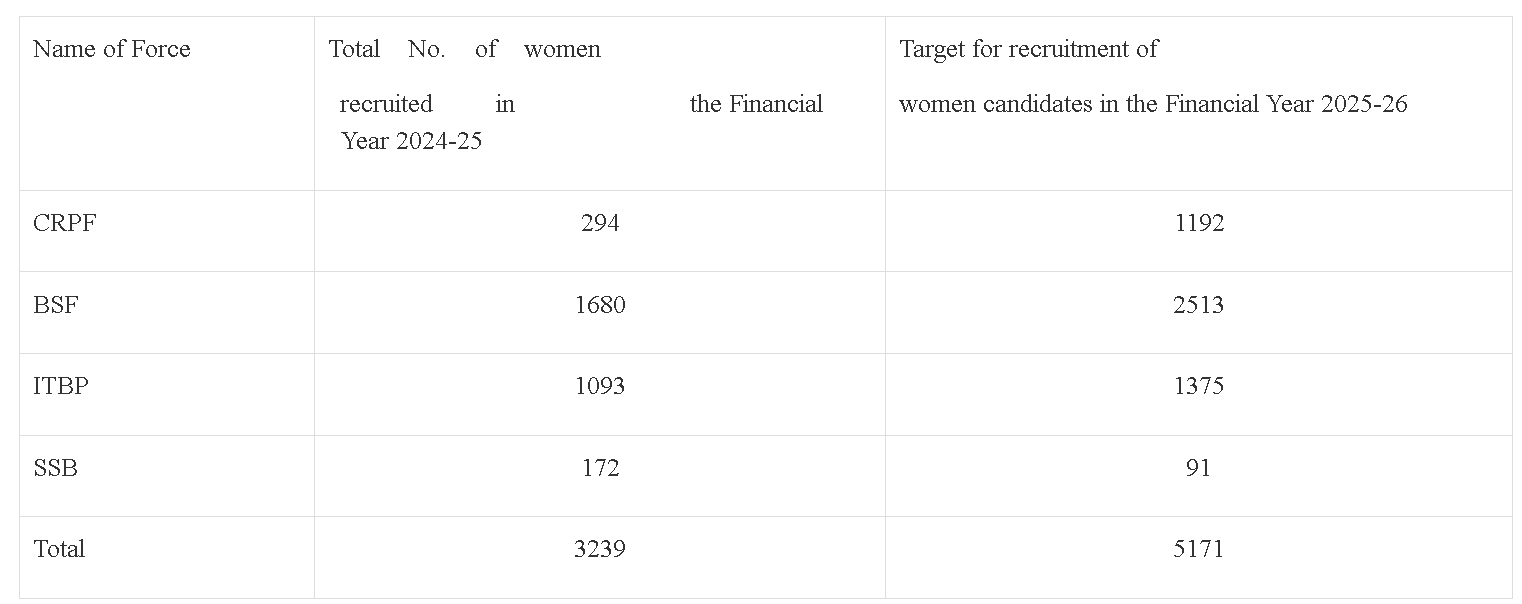
In December 2024, the government had declared that they plan to recruit 4,138 women to paramilitary forces in 2025, and this year, the target has been further raised to 5,171 women in Central Armed Police Forces in 2025-26, marking a 60% increase.
More women personnel in paramilitary forces in 2025-26
In a significant boost to gender representation in India’s paramilitary structure, the Centre plans to induct 5,171 women personnel into the Central Armed Police Forces (CAPFs) during 2025–26. The figures, presented in the Rajya Sabha by MoS Home Affairs Nityanand Rai, stress on government’s push toward building a gender-balanced force.
Highlighting that the government is taking every step to ensure safe working conditions, separate accommodation facilities, and gender-sensitive operational protocols for women CAPF personnel, the minister also shared the break-up of women personnel to be inducted across forces:
BSF: 2,513 women
CRPF: 1,192 women
ITBP: 1,375 women
SSB: 91 women
This surge aligns with the Centre’s long-term objective to ensure structured and meaningful participation of women in frontline combat, border guarding, counter-insurgency, and VIP security duties.
What is driving the expanded women’s intake in paramilitary?
Rai recalled that the government had, in 2016, mandated gender-based reservation at the constable level, 33% in CRPF and 14–15% in border guarding forces such as BSF, SSB, and ITBP. This policy continues to shape present recruitment cycles, with CAPFs gradually modifying operational norms, training regimes, and infrastructural facilities.
To support the rising induction numbers, CAPFs have begun overhauling internal structures to make deployments safer, more efficient, and gender-sensitive. According to the minister, women personnel are deployed in section strength or buddy pairs as part of operational protocol to ensure safety during field operations.
Key facilities and reforms include separate accommodation, barracks and dedicated rest rooms; changing rooms and separate toilets; crèche and day-care centres for personnel with young children; women-centric medical support systems; women help desks and confidential complaint channels for addressing harassment-related grievances.
Further, regular gender sensitisation workshops are also organised to cultivate an equitable and respectful work environment. These changes reflect the government’s intent to make CAPFs more inclusive, not just in recruitment statistics but in day-to-day operational culture.
What does this signal about the future of women in paramilitary forces?
The projected intake of over 5,000 women in a single cycle signals a transformative shift in India’s security apparatus. With enhanced infrastructure, policy-backed reservation, and increased representation across border guarding and internal security forces, women are set to play a bigger role in CAPF operations than ever before.
The move also strengthens the Centre’s long-term vision of creating combat-ready mixed-gender teams capable of handling diverse and emerging security challenges. Notably, the CAPF got its first woman chief last year when IPS officer Archana Ramasundaram was appointed the new Director General of SSB.