West Asia Conflict Issue Of Concern For India: Jaishankar Urges For Dialogue, Says PM Closely Monitoring Developments
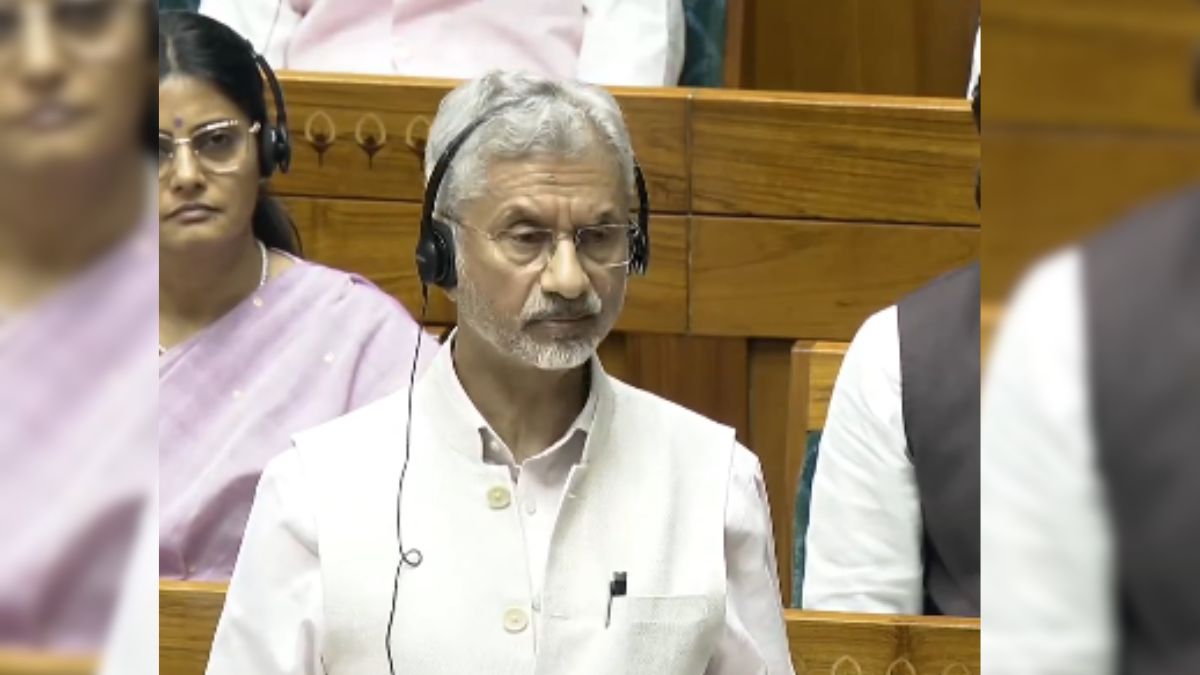
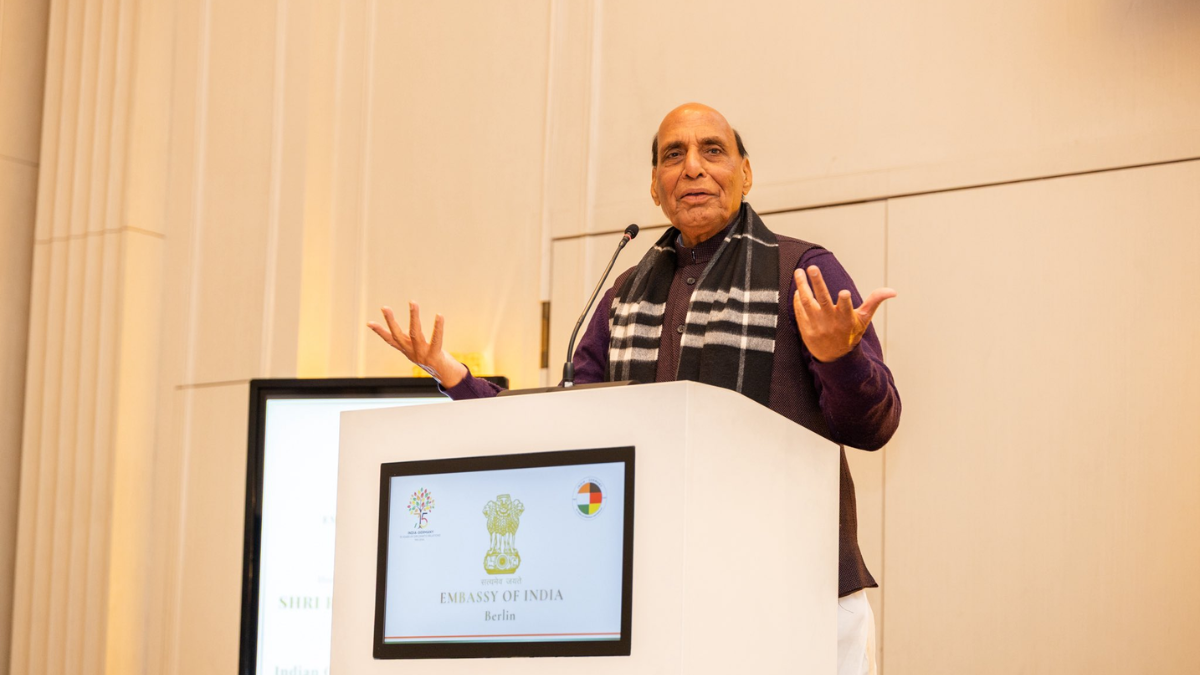
PM Narendra Modi continues to closely monitor developments in West Asia, Jaishankar told the Rajya Sabha. Image courtesy: RNA

Suggesting that India favours peace and a return to dialogue, diplomacy, External Affairs Minister S Jaishankar on Monday (March 9, 2026) shared that Prime Minister Narendra Modi is personally tracking developments in West Asia. With this, he urged all sides to pursue dialogue and diplomacy to de-escalate tensions.
His remarks comes days after US-Israel launched deadly strikes on Iran, which is facing rapidly worsening security situation following the outbreak of war. Speaking in the Rajya Sabha, Jaishankar said India remains deeply concerned about the escalating conflict and rising casualties in the region.
He reiterated New Delhi’s longstanding position that diplomatic engagement is the best path to resolving the crisis. “Our government had issued a statement on February 20 expressing deep concerns and urging all sides to exercise restraint. We continue to believe that dialogue and diplomacy should be pursued to de-escalate the tensions.”
Jaishankar on major Iran war escalation
EAM Jaishankar’s remarks come at a time when West Asia is witnessing one of its most dangerous escalations in years. The crisis intensified after 86-year-old Iranian Supreme Leader Ayatollah Ali Khamenei was killed in joint US-Israel strikes on Iran on February 28, along with several senior leaders of the Islamic Republic.
The strikes triggered a swift response from Tehran, which launched retaliatory attacks targeting American military bases in Arab countries and Israeli assets across the region.
In response, Israel and the United States have continued military operations against Iran, while also expanding strikes to Lebanon against Hezbollah and other Iran-backed groups, raising fears of a broader regional war.
India reiterates focus on diplomacy and peaceful resolution
Against this backdrop, Jaishankar stressed that India’s diplomatic position remains consistent, even as the conflict intensifies. “We believe, and we continue to believe that dialogue and diplomacy need to continue,” the External Affairs Minister told Parliament. “It is also imperative that the sovereignty and territorial integrity of all states in the region be respected”, he added.
India has repeatedly called on all sides to exercise restraint, avoid further escalation and prioritise civilian safety.
The Ministry of External Affairs earlier said that sovereignty and territorial integrity of all countries must be respected, while underlying issues should be resolved through negotiations.
PM Modi closely monitoring developments
Jaishankar also informed Parliament that PM Modi is closely tracking developments in the region, given the scale of the crisis and its implications for India. “Prime Minister Narendra Modi continues to closely monitor developments in West Asia,” Jaishankar said.
The government is reportedly conducting regular assessments of the security, diplomatic and economic impact of the conflict.
Why the West Asia crisis matters for India
The escalating conflict carries major strategic implications for India, particularly due to its deep economic and energy ties with the region. EAM Jaishankar highlighted that West Asia remains crucial for India’s energy security, as a significant portion of the country’s oil and gas imports originate there.
“The region is very important for energy security, and a lot of our oil and gas comes from there,” he said. Any disruption to energy supply routes, especially through key shipping corridors like the Strait of Hormuz, could have significant economic consequences.
“This ongoing conflict is an issue of particular concern for India. We are a neighbouring region and understandably, have obvious stakes in West Asia remain stable and peaceful. There are almost one crore Indian citizens who live and work in the Gulf nations. In Iran too, there are a few thousand Indians who are there for study and employment,” the EAM pointed out.
Government monitoring safety of Indian citizens
Apart from economic and energy concerns, the government is also closely monitoring the safety of Indian nationals living across West Asia.
India has one of the largest expatriate populations in the region, with millions of Indians working in Gulf countries and nearby states. Jaishankar said the government remains focused on their welfare. “We discuss the well-being of the Indian community in the region,” he said.
The Ministry of External Affairs has already instructed Indian missions across the region to remain in close contact with citizens and issue security advisories when required.
India urges restraint amid fears of wider regional war
As military exchanges continue and the conflict spreads across multiple fronts, India has reiterated its call for restraint and diplomatic engagement. In an earlier statement, the MEA said it was “deeply concerned at the recent developments in Iran and the Gulf region.”
“We urge all sides to exercise restraint, avoid escalation, and prioritise the safety of civilians. Dialogue and diplomacy should be pursued to de-escalate tensions and address underlying issues,” the statement said.