

The Hadi Claim in Bangladesh: Politics, Power and Strategic Reality

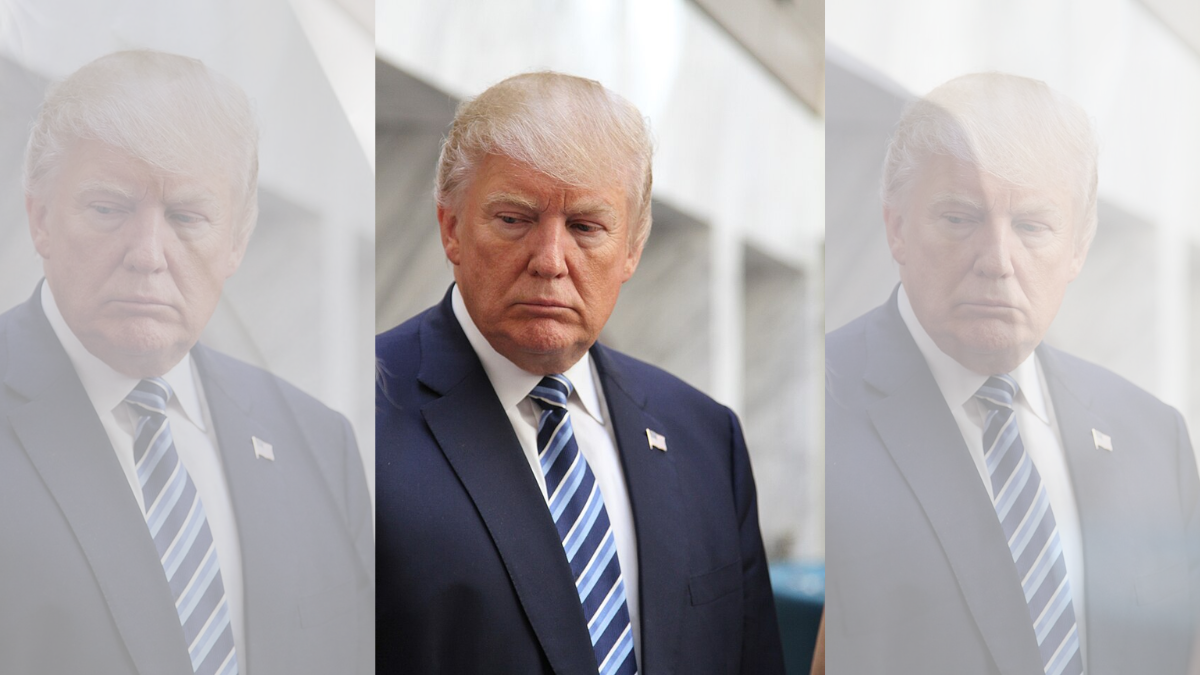
Sharif Osman Bin Hadi. Image Credit: Social Media/X

In times of political uncertainty, conspiracy theories often travel faster than facts. The discourse surrounding Sharif Osman Bin Hadi, convener of Bangladesh’s Inqilab Moncho, is a case in point. Almost immediately after violence was linked to him, a familiar narrative surfaced: that India stood to benefit from his elimination. This claim, while emotionally potent, collapses under even basic strategic scrutiny. In reality, targeting Hadi—directly or indirectly—would serve not India’s interests, but those of Bangladesh’s internal political rivalries and external propagandists eager to exploit instability.
Hadi’s Politics: Loud, Polarising and Already Limited
Hadi has been widely known for his openly anti-India and anti-Hasina rhetoric. He repeatedly accused India of political interference in Bangladesh and projected himself as a symbol of resistance against what he described as “external dominance.” These positions earned him visibility, particularly among sections of disaffected youth during a period of political transition.
However, visibility should not be confused with influence. Hadi was never a consensus leader.His confrontational tone, absence of a credible institutional base, and repeated associations—direct or indirect—with Islamist-leaning narratives limited his reach within mainstream Bangladeshi politics. Large sections of civil society, professionals and moderate voters viewed him with suspicion rather than admiration. From India’s standpoint, such a figure was politically useful alive, not strategically threatening. His rhetoric exposed its own excesses. His alliances invited scrutiny. His appeal remained narrow, not national.Who Actually Benefits from Hadi’s Removal?
If one asks the more relevant question—who benefits—the answer does not point towards New Delhi. Bangladesh’s internal political actors, on the other hand, have far more at stake. Periods of political transition often trigger intense competition for moral authority, street influence and narrative dominance. In such environments, violence is frequently instrumentalised to mobilise supporters, delegitimise rivals or provoke emotional backlash. History shows that political assassinations in Bangladesh have almost always been rooted in domestic power struggles rather than external strategic agendas. India, by contrast, benefits from predictability and institutional continuity in Bangladesh. Any shock that inflames public emotion, radicalises discourse or destabilises governance runs directly against India’s long-standing strategic objectives.
The Martyrdom Trap for India
The most damaging outcome for India would be Hadi’s transformation from a controversial activist into a martyr. Alive, Hadi was debatable. Dead, he becomes untouchable. Martyrdom erases nuance.It dissolves questions about ideology, alliances and responsibility, replacing them with a single emotionally charged symbol that is easily weaponised by hostile narratives.This is not speculation but a pattern repeatedly observed across the region. For India, such an outcome would mean losing the ability to counter Hadi politically while inheriting symbolic blame. No rational strategic planner would choose this path.
Pakistan’s Role and the Manufactured “India Interference” Narrative
Pakistan’s information strategy towards Bangladesh has long relied on a familiar theme: portraying India as an overbearing regional power manipulating its neighbours. Any violent episode involving a known anti-India figure offers Islamabad an immediate propaganda opportunity. Facts become secondary. Evidence becomes optional. The accusation alone is enough to circulate across social media, sympathetic outlets and diplomatic echo chambers.
An alleged “Indian hand” in Hadi’s killing would be promoted relentlessly not because it is true, but because it is useful. India, fully aware of this playbook, has every reason to avoid any action—or perception—that feeds it. Bangladesh’s Fragile Moment and India’s Core Interest
Bangladesh today stands at a sensitive moment. Political trust is uneven, institutions are under pressure and public emotions remain heightened. India’s strategic priority in this context is clear and consistent: a stable, sovereign and economically progressing Bangladesh, insulated from radicalisation and proxy conflict.
Any perception—real or manufactured—of Indian involvement in internal violence would undermine years of diplomatic engagement, people-to-people ties and economic cooperation. It would alienate precisely the demographic India must engage most carefully: young Bangladeshis who are forming long-term views about regional partnerships.
Seen in this light, the claim that India would benefit from targeting Hadi is not merely unconvincing. It is strategically illogical.