Trinidad and Tobago Opens Airports to US Military Aircraft Amid Rising Tensions With Venezuela

Trinidad and Tobago has authorised US military aircraft to use its airports as part of security cooperation with Washington, a move that has heightened tensions with neighbouring Venezuela. Image courtesy: X.com/@MarioNawfal

Trinidad and Tobago has authorised United States military aircraft to use its airports in the coming weeks, a move that has heightened regional tensions and fueled concerns that Washington may be preparing for possible military action against neighbouring Venezuela.
The Caribbean nation, located just 12 kilometers from Venezuela at its closest point, said the decision was part of ongoing security cooperation with the United States.
What was Trinidad and Tobago’s justification for the move?
In a statement issued Monday (December 15, 2025), Trinidad and Tobago’s foreign ministry confirmed it had given the green light for US military aircraft to conduct “logistical” operations, including supply replenishment and routine personnel rotations.
Officials stressed that the access was limited in scope but acknowledged the heightened US military presence in the Caribbean.
How is Trinidad and Tobago’s President a staunch Trump supporter?
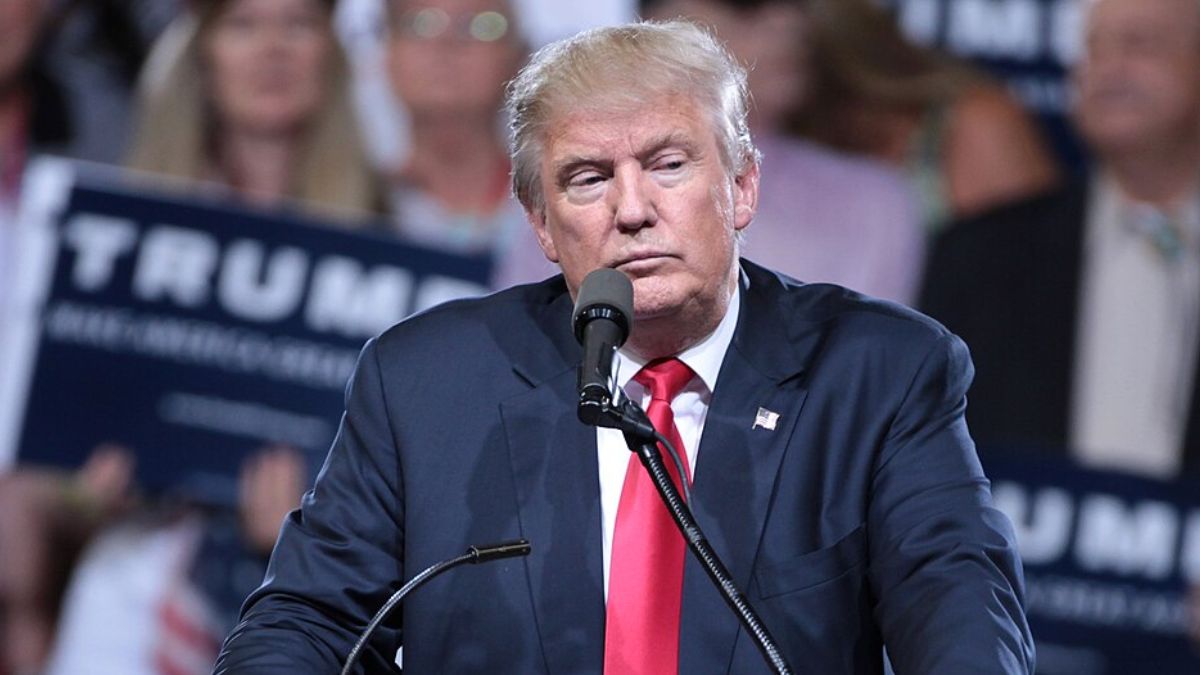
Prime Minister Kamla Persad-Bissessar has emerged as a strong regional supporter of US President Donald Trump’s campaign of economic and military pressure against Venezuela’s leftist leader, Nicolas Maduro, whom Washington does not recognise as the country’s legitimate president.
The authorisation comes as the US expands its military footprint in the region under the stated aim of countering “narco-terrorists.”
How have recent military engagements shaped the relationship?
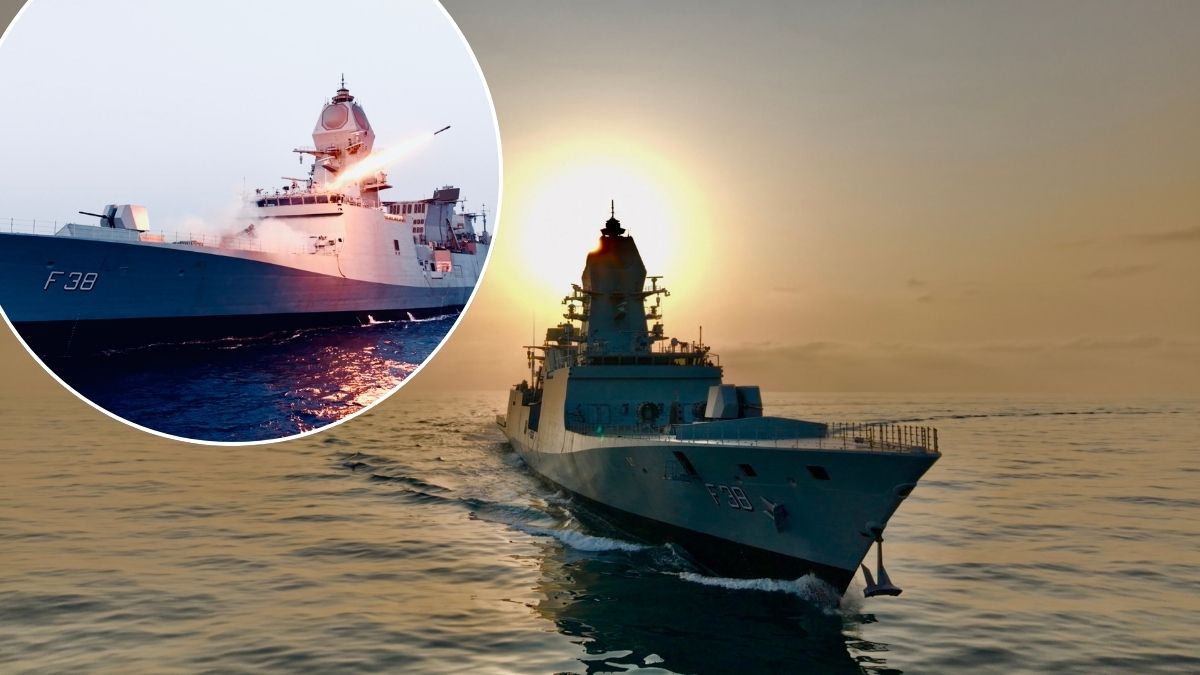
The move follows a series of recent military engagements. In October, a US guided missile destroyer docked off Trinidad for joint exercises within range of Venezuelan territory.
Last month, US Marines also participated in drills across the archipelago. Additionally, the United States has installed radar equipment at a new airport on Tobago, which Trinidadian authorities say is intended to monitor drug trafficking and illicit oil shipments from Venezuela.
How has Venezuela reacted to the development?
Caracas reacted sharply on Monday (December 15), accusing Trinidad and Tobago of complicity in the “theft” of Venezuelan oil after US forces seized a tanker allegedly violating sanctions.
Venezuelan Vice President Delcy Rodríguez described the move as “international piracy” and accused Persad-Bissessar of pursuing a hostile agenda, warning that Venezuela would halt joint natural gas exploration projects.
Trinidad and Tobago’s Foreign Minister Sean Sobers defended the decision, saying it reflected the government’s commitment to regional safety, security, and international cooperation.