
China Uses LAC Disengagement To Reset India Ties, Curb U.S. Alignment While Backing Pakistan In Grey-Zone Ops: US Report
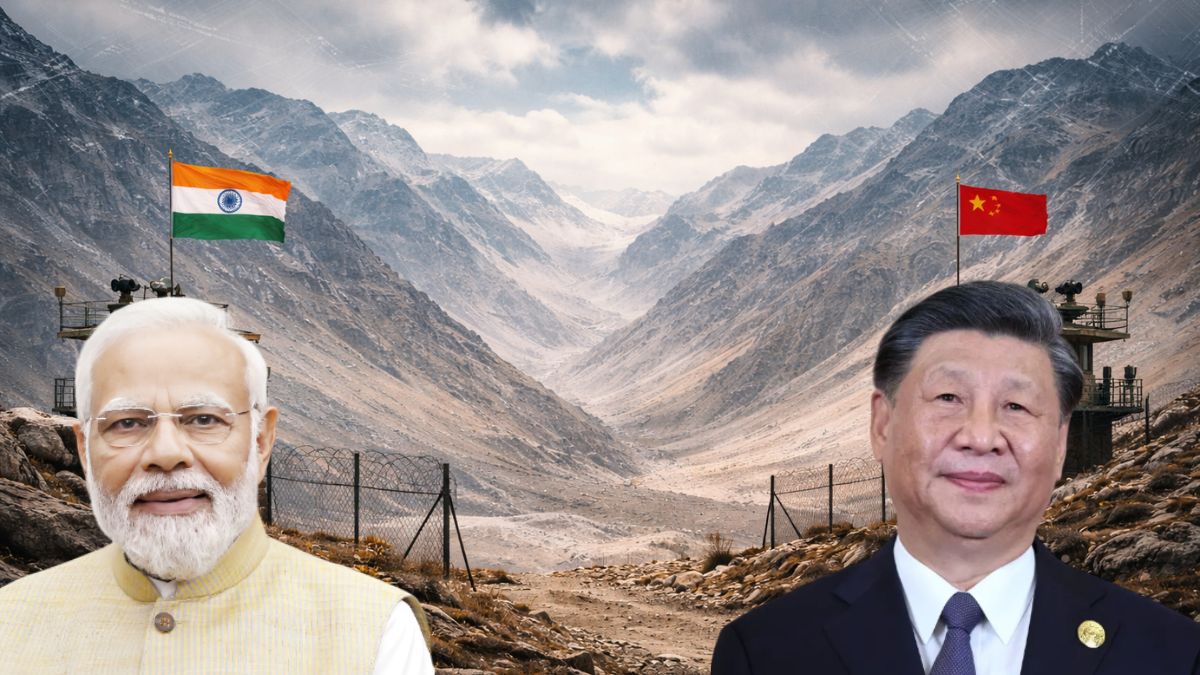
A fragile calm along the Himalayan frontier reflects the uneasy balance between diplomatic engagement and strategic rivalry as New Delhi and Beijing navigate a cautious reset amid deeper regional tensions. Image courtesy: RNA

China is seeking to leverage its October 2024 disengagement agreement along the Line of Actual Control (LAC) with India to stabilise bilateral ties and slow New Delhi’s deepening strategic alignment with the United States, even as it simultaneously backed Pakistan with intelligence and information warfare during Operation Sindoor, according to a new US Defence Department-linked assessment.
What does the US report say about China-India ties?
The report, released on Wednesday (December 24, 2025), paints a picture of a calibrated Chinese strategy that combines diplomatic outreach with indirect military pressure.
While Beijing has publicly signalled a thaw with New Delhi following years of border tensions, US officials assess that the move is tactical rather than conciliatory, aimed at buying time and reshaping India’s strategic choices.
How is the October 2024 China-India military disengagement being leveraged?
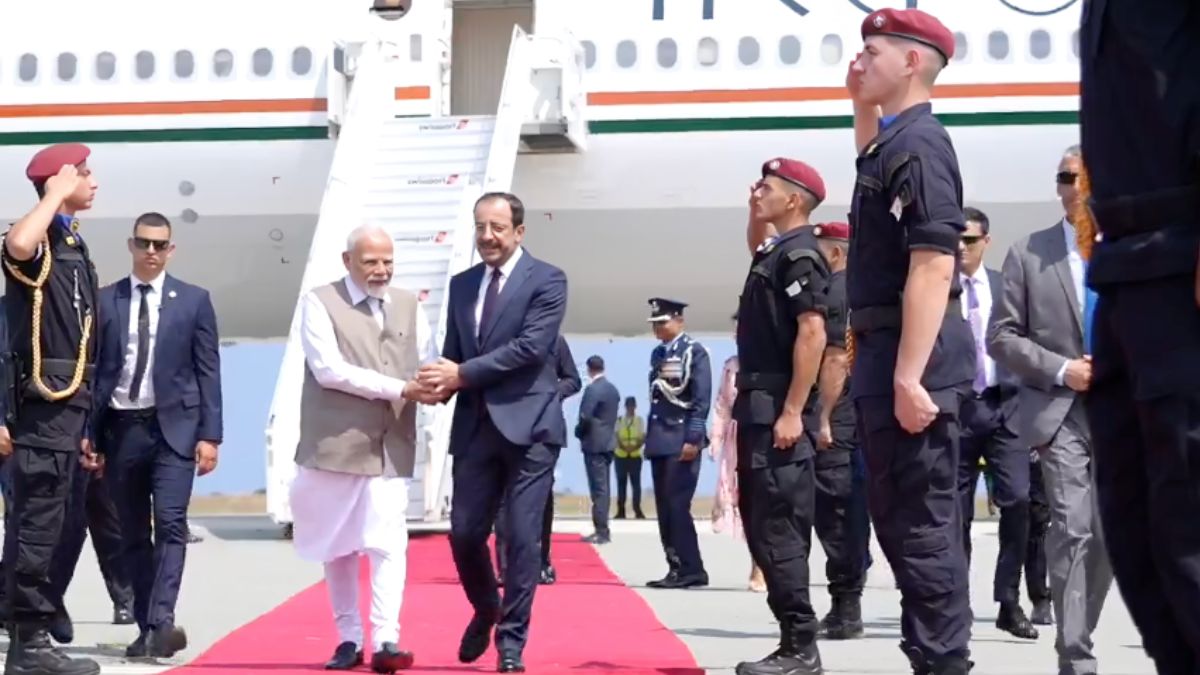
According to the assessment, the October 2024 disengagement came just days before Chinese President Xi Jinping met Prime Minister Narendra Modi on the sidelines of the BRICS summit, marking the start of monthly high-level engagements.
These talks have focused on border management mechanisms and confidence-building steps, including the possible resumption of direct flights, visa facilitation, and academic and media exchanges.
What is the US assessment of the China-India thaw?
However, Washington believes Beijing’s primary objective is to prevent India from accelerating defence and strategic cooperation with the US.
“Temporary stabilisation on China’s western periphery allows Beijing to focus on its primary theatre — the US–Taiwan axis — while ensuring India does not fully align with Washington,” the report notes.
How did China play a discreet role in the India-Pakistan conflict?
At the same time, US intelligence assessments reveal that China played a discreet but significant role during India’s Operation Sindoor against Pakistan.
While Pakistan conducted the visible kinetic and proxy actions, China allegedly provided intelligence, electronic surveillance, satellite coverage, cyber support, and information warfare capabilities.
These inputs are believed to have enhanced Pakistan’s real-time situational awareness and operational coordination without direct involvement of the People’s Liberation Army (PLA).
Why did China hide behind plausible deniability during Operation Sindoor?
A key element of China’s approach was plausible deniability.
As Pakistan absorbed international scrutiny, Beijing worked behind the scenes to amplify Islamabad’s narrative through diplomatic messaging and controlled online campaigns, seeking to blur attribution, question Indian claims, and delay any international consensus in New Delhi’s favour.
US officials describe this as a deliberate test of India’s escalation thresholds under a “grey-zone” framework.
What does the US assessment say about China’s India challenge?
The report underscores that Chinese military planners increasingly view India as a long-term strategic and sovereignty challenge.
Beijing has broadened its definition of “core interests” beyond Taiwan to include claims in the South China Sea, the Senkaku Islands, and India’s Arunachal Pradesh, assertions firmly rejected by New Delhi.
How is Pakistan central to China’s India strategy?
Pakistan, the assessment says, remains central to China’s India strategy. US intelligence sources describe Islamabad as Beijing’s “pressure valve” to keep India strategically distracted, dilute India–US defence cooperation, and experiment with hybrid warfare models at relatively low cost.
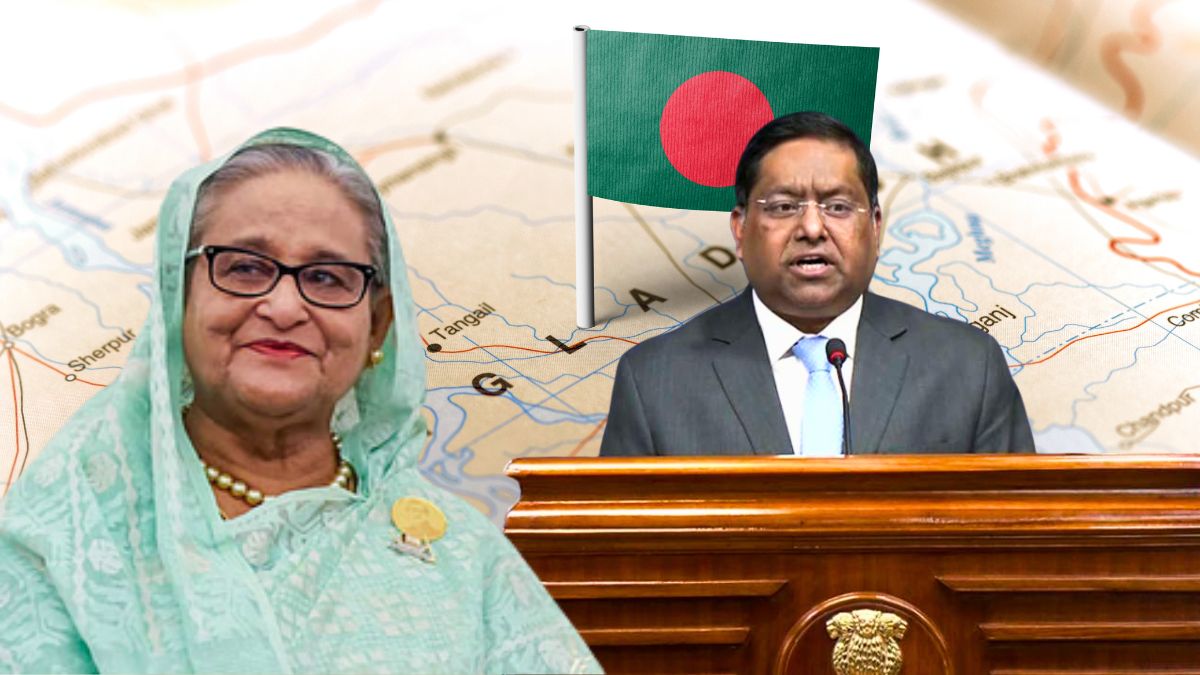
Beyond South Asia, the Pentagon is monitoring nearly 20 countries — including Pakistan, Bangladesh, Sri Lanka, and Cuba — where China may be exploring future military basing or logistics access, raising concerns for India’s continental and maritime security.
How will China adopt Grey Zone warfare against India?
The report concludes with a warning that any future India–China confrontation is likely to begin below the threshold of war.
Cyber operations, information warfare, economic coercion, and proxy instability are expected to precede any kinetic escalation, making Operation Sindoor a possible preview of the complex security challenges India may face in the coming years.