Reset In Action: Canadian PM Mike Carney Begins Pivotal Visit To ‘World’s Fastest-Growing Major Economy’ India
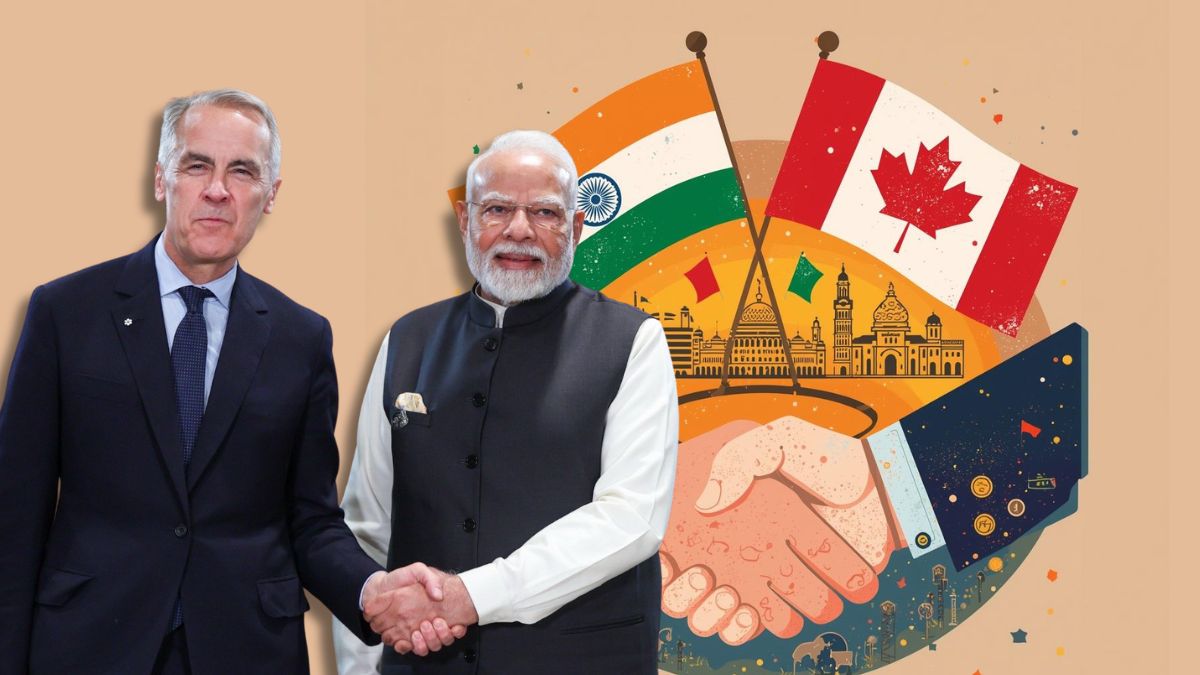
Carney will travel to New Delhi on Sunday and hold wide-ranging talks with Prime Minister Narendra Modi on Monday. Image courtesy: RNA

After a long lull and bitterness in their relations, India and Canada are taking steps to improve the ties, which share over 75 years of diplomatic relations and deep people-to-people ties. A key step in this direction is Canadian Prime Minister Mark Carney’s four-day India visit.
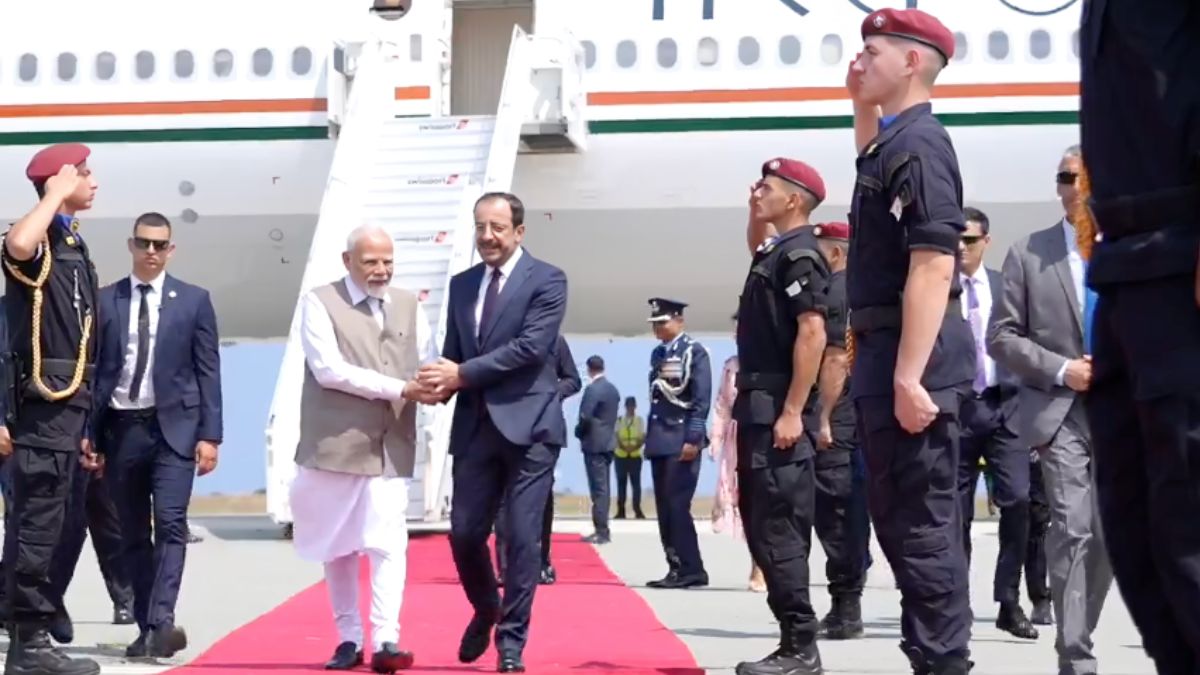
Carney has commenced a crucial four-day visit to India, signalling what both sides describe as a decisive effort to reset and modernise a relationship that had plunged into diplomatic crisis just two years ago. He landed in Mumbai on Friday (February 27, 2026) with a high-level delegation.
He framed the visit in economic and strategic terms, calling India “the world’s fastest-growing major economy” and emphasising partnerships that can unlock opportunities for Canadian workers and businesses. The trip, spanning Mumbai and New Delhi, is widely seen as the most significant bilateral engagement since ties hit rock bottom in 2023 over the Khalistani separatist killing row.
Mike Carney India visit: Why is this trip so significant?
Carney’s visit comes at what Ministry of External Affairs (MEA) called an “important juncture in normalisation” of bilateral ties. Relations between the two democracies deteriorated sharply in 2023 after then Canadian Prime Minister Justin Trudeau alleged a potential Indian link to the killing of Khalistani separatist Hardeep Singh Nijjar.
India dismissed the charge as “absurd,” and the diplomatic fallout escalated into reciprocal expulsions of senior diplomats. In October 2024, India recalled its high commissioner and several diplomats after Ottawa attempted to link them to the investigation, prompting tit-for-tat measures.
Carney’s election victory last year created political space for a reset. Since then, both countries have reappointed high commissioners and resumed structured engagement. Prime Minister Narendra Modi and Carney met on the margins of the G7 Summit in Kananaskis and again in Johannesburg, laying the groundwork for this bilateral visit.
This week’s trip marks the most visible step yet in stabilising and recalibrating ties.
What’s on the Agenda in Mumbai?
Carney’s first stop in Mumbai underscores the economic focus of the visit. He is meeting leading Indian and Canadian corporate executives, financial leaders and technology innovators. The emphasis is on expanding trade, investment flows, clean energy cooperation and next-generation technologies, including artificial intelligence.
“India is the world’s fastest-growing major economy. We just arrived in Mumbai to meet with business leaders — and forge partnerships that will unlock new opportunities for Canadian workers and businesses,” Carney said on social media shortly after arrival.
With India’s economy projected to remain among the fastest growing globally, Ottawa sees expanded engagement as essential for diversifying Canada’s trade beyond traditional partners.
What will PM Modi and Carney discuss in Delhi?
Carney is scheduled to travel to New Delhi on Sunday (March 1, 2026) for wide-ranging talks with Prime Minister Modi on Monday (March 2, 2026). According to the MEA, the leaders will review progress across “diverse areas” of the India-Canada strategic partnership, building on their earlier discussions in Kananaskis and Johannesburg.
Trade, energy security, technology collaboration and artificial intelligence are expected to dominate the talks. Clean energy transition, an area where Canada’s resource base and India’s scale intersect, is likely to feature prominently. Both the leaders will also attend the India-Canada CEOs Forum, signalling that economic diplomacy will be at the heart.
Negotiations toward deeper economic engagement frameworks, including stalled trade discussions, may also receive fresh political momentum.
Can economic convergence override political friction?
The recalibration reflects a broader strategic reality: both countries have strong incentives to cooperate despite past tensions. India offers Canada access to a massive consumer market, digital innovation ecosystem and growing geopolitical influence in the Indo-Pacific.
Canada, in turn, brings strengths in energy resources, advanced research, clean technology and higher education linkages. Artificial intelligence, quantum research, critical minerals and clean energy supply chains are emerging as key pillars of collaboration, particularly as Western economies seek trusted technology partnerships.
For New Delhi, stabilising ties with Ottawa also strengthens engagement with the broader G7 bloc, where Canada plays an influential role.
India-Canada ties: A strategi reset on the horizon
The visit unfolds amid shifting global alignments, economic fragmentation and intensifying competition over technology and energy supply chains. India’s rise as a major economic and geopolitical actor has reshaped how advanced economies approach engagement with New Delhi. For Canada, strengthening ties with India aligns with its Indo-Pacific strategy and diversification goals.
At the same time, both sides appear keen to ensure that past diplomatic strains do not overshadow shared long-term interests.
While the visit is framed around trade, energy and innovation, its deeper significance lies in political trust-building. Carney’s presence in India, and his high-level engagements with PM Modi, signal that Ottawa is prepared to move beyond the acrimony of 2023 and invest in a future-oriented partnership.