Frontline Fighters To Advanced Air Defence Systems: IAF’s VayuShakti-26 Showcases Combat Power Over Pokhran
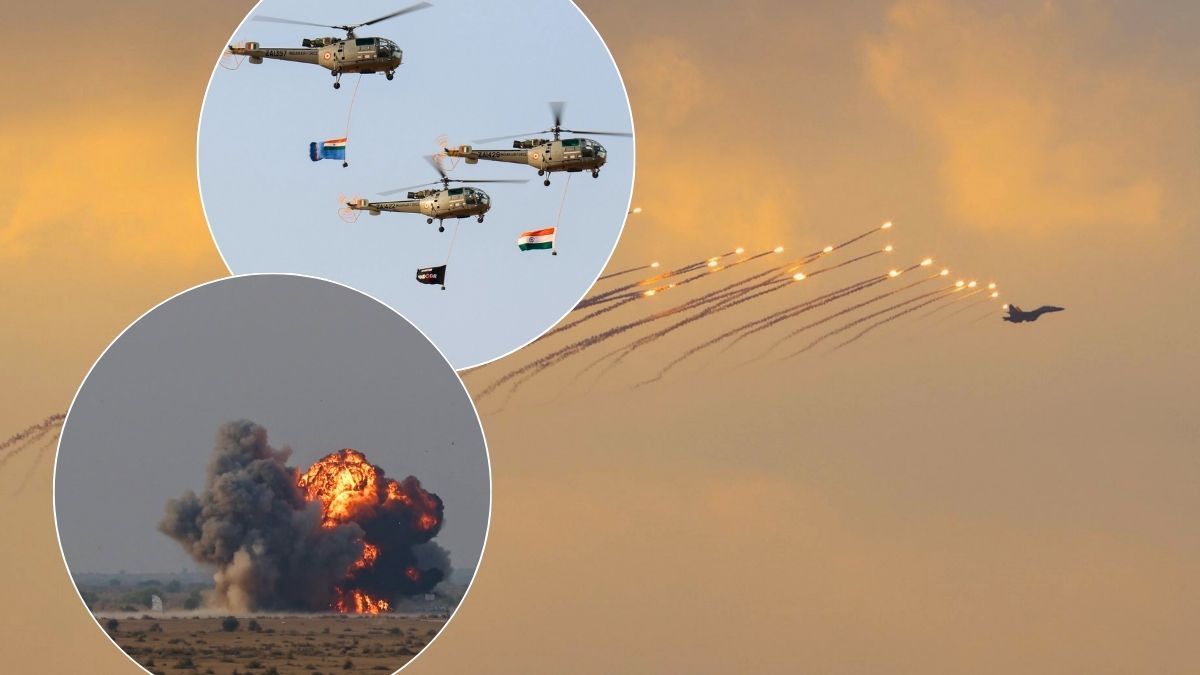
For the first time, Exercise Vayushakti was executed along a defined operational storyline. Image courtesy: RNA

Firepower, precision and spectable gripped Pokhran skies on Friday (February 27, 2026) conducted Exercise VayuShakti-26, reflecting the growing strength of Aatmanirbhar Bharat and our expanding multi-domain capabilities. Thhe Indian Air Force (IAF) executed the air drills at the Pokhran Field Firing Range in Jaisalmer, transforming the desert skies into a simulated live combat theatre.
Graced by President Droupadi Murmu as the Chief Guest and attended by Defence Minister Rajnath Singh, Chief of Defence Staff Gen Anil Chauhan, senior military leadership, foreign defence attaches and veterans, the firepower demonstration underscored the IAF’s readiness to fight, and win, across the full spectrum of modern warfare.
In a sweeping display of air dominance, precision strike capability and joint warfighting, Exercise VayuShakti was for the first time conducted along a defined operational storyline, evolving beyond a firepower display into a simulated battlefield campaign.
DYSP.jpeg)
Exercise VayuShakti-26: A combat theatre in the desert
The air drills seamlessly integrated offensive counter-air strikes, deep precision attacks, air defence engagements, special operations, airlift missions and humanitarian assistance, reflecting the IAF’s transformation into a multi-domain, integrated force capable of rapid escalation and sustained operations.
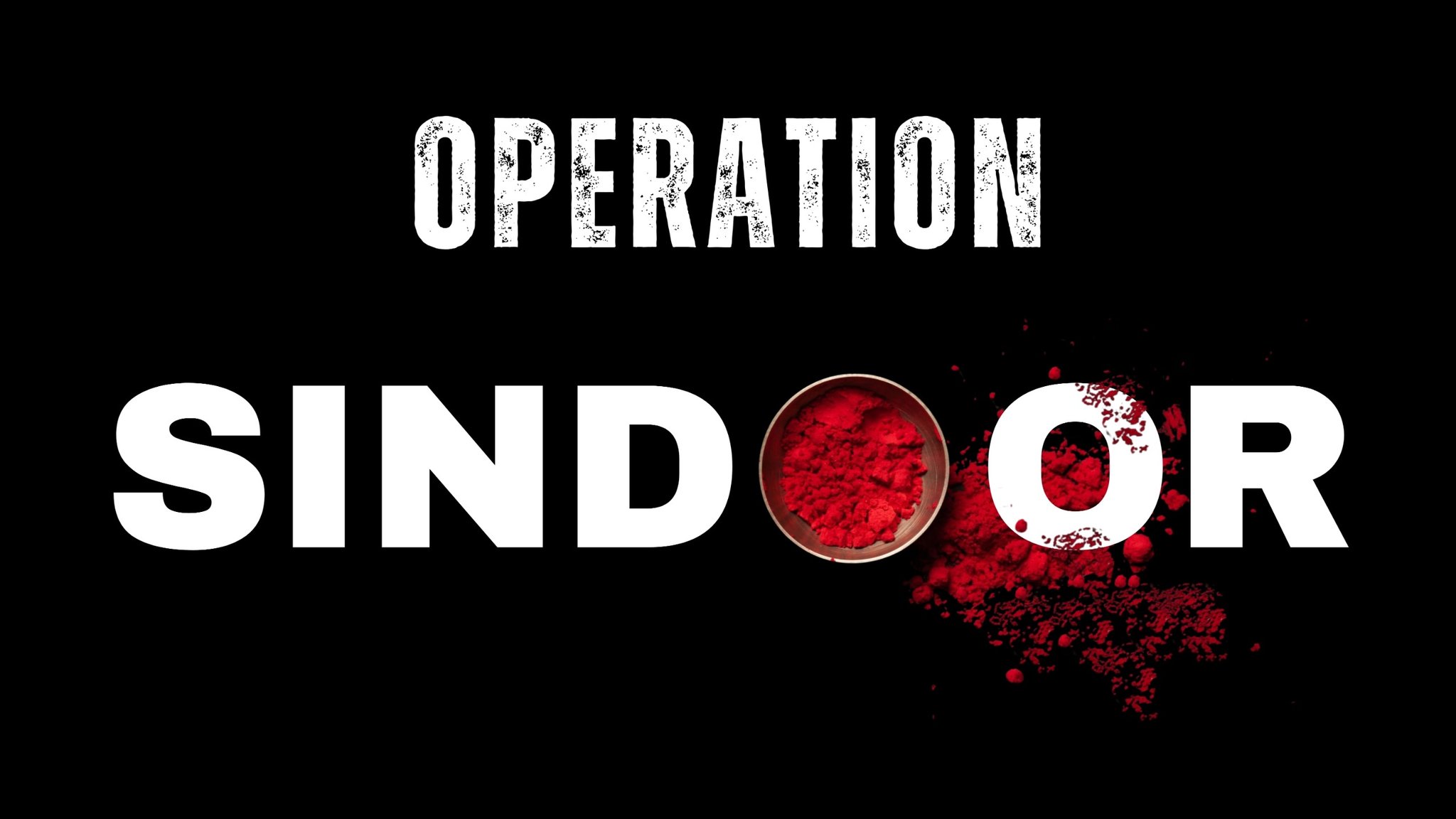
The event opened with the National Song and National Anthem, followed by a ceremonial flypast of Chetak helicopters carrying the National Flag, Air Force Ensign and the Operation Sindoor Flag, symbolically linking operational readiness with recent combat experience.
Moments later, a Rafale fighter shattered the silence with a precisely timed sonic boom, signalling the start of high-intensity combat drills.

Over 130 aircraft, day-to-night dominance
More than 130 aircraft participated in the day-and-night exercise, including Rafale, Su-30 MKI, Mirage-2000, MiG-29, Jaguar and Hawk fighters, alongside Mi-17 helicopters, C-130J Super Hercules, C-295, C-17 Globemaster and indigenous platforms such as ALH Dhruv and LCH Prachand.
Frontline fighters executed precision strikes on simulated enemy targets using advanced air-to-ground weapons, including precision-guided munitions and long-range strike systems. The drills demonstrated the IAF’s capacity to deliver decisive firepower with pinpoint accuracy.
Defence Minister Rajnath Singh praised the force’s multi-domain capabilities, saying, “Guided by the ethos of “Achook, Abhedya aur Sateek,” our Air Warriors remain ever vigilant in safeguarding India’s skies and sovereignty.” From frontline fighters to advanced air defence systems and indigenous platforms, the exercise reflected the growing strength of Aatmanirbhar Bharat, he added.
As dusk transitioned to night, multiple fighter platforms conducted coordinated precision night strikes, reinforcing the Air Force’s ability to dominate the battlespace round-the-clock.
Air defence shield and jointmanship on display
VayuShakti-26 also showcased layered air defence integration. Airborne platforms coordinated with ground-based missile systems such as Akash and Spyder, supported by Army air defence assets including L-70 guns and M-777 systems. The synchronised engagements highlighted seamless jointmanship between air and land forces.
(1)1TD3.jpeg)
The night phase further demonstrated integrated air defence and air-landed operations, reinforcing readiness against multi-vector threats.
President Murmu, who became the first Indian President to take a sortie in the indigenous Light Combat Helicopter (LCH) Prachand before Exercise VayuShakti-26, commended the courage, dedication and professional excellence of the Indian Air Force. “The exercise showcased readiness for combat operations in both day and night conditions.”
Special forces, urban warfare and rapid evacuation
Special operations formed a dramatic segment of the exercise. As darkness enveloped the desert, Garud Special Forces and Para SF elements were inserted by Mi-17 helicopters to conduct simulated urban intervention and hostage rescue missions.
This was followed by assault landings and rapid extraction by C-130J and C-295 aircraft from an Advanced Landing Ground, showcasing the IAF’s capability in tactical airlift, casualty evacuation and crisis response. The integrated drills reaffirmed the Air Force’s role not just as a combat arm, but as the nation’s first responder in contingencies.
President’s Prachand sortie
Earlier in the day, President Murmu undertook a sortie in the indigenously developed Light Combat Helicopter (LCH) Prachand, underlining India’s growing defence self-reliance under the vision of Atmanirbhar Bharat. Her participation reflected confidence in indigenous platforms and operational preparedness.
Defence Minister Rajnath Singh, who has previously flown in the Prachand during its induction, has consistently emphasised that indigenisation strengthens operational readiness and national security.
Exercise VayuShakti: A grand finale under the night sky
The exercise concluded with a symbolic ceasefire flypast by a C-17 Globemaster, followed by a coordinated drone display celebrating the IAF’s legacy and technological evolution.
Guided by its core values of “Achook, Abhedya aur Sateek” (Accurate, Invincible and Precise), VayuShakti-26 validated the IAF’s operational doctrine, technological edge and joint integration, reinforcing its role as a central pillar of India’s strategic deterrence architecture.