Nepal’s Newest And Youngest Prime Minister Balen Shah To Visit India, Accepts PM Narendra Modi’s Invite
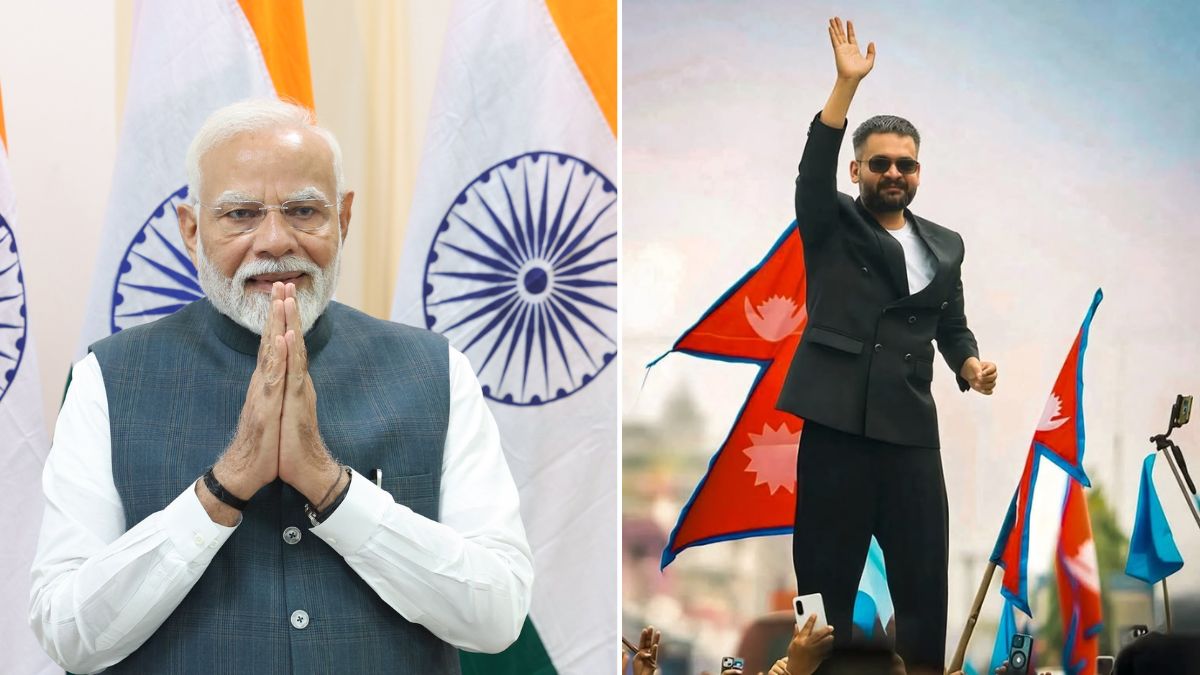
Shah’s proposed visit to India is significant as it marks his first major diplomatic outreach since assuming office. Image courtesy: RNA

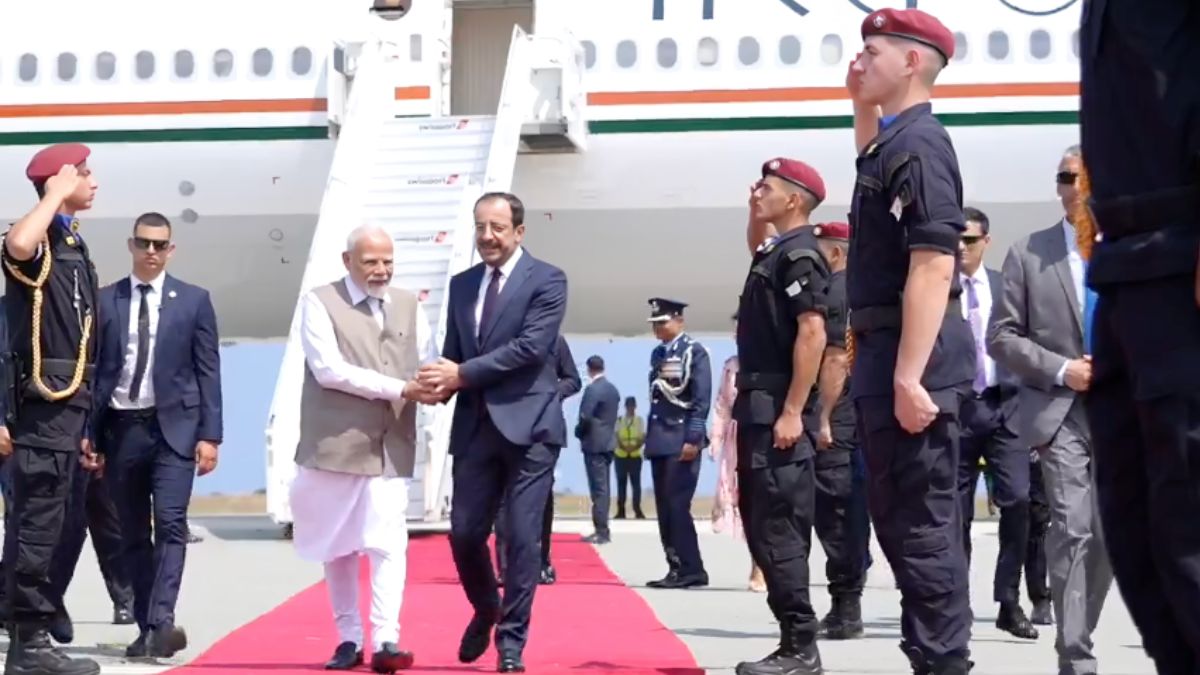
In a key development for regional diplomacy, Nepal’s new and youngest Prime Minister Balendra Balendra ‘Balen’ Shah has accepted Prime Minister Narendra Modi’s invitation to visit India, marking his first major foreign outreach since taking office. This would be the first high-level visit from the country since the change of leadership following Gen Z protests.
Nepal’s Foreign Minister Shishir Khanal confirmed the development, saying, “The Nepal govt has accepted the invitation, and the foreign ministries of both countries are now making preparations for the visit.”
Shah’s India visit is being closely watched as an early signal of how the young leader plans to shape India-Nepal ties, which are crucial for trade, connectivity, and regional stability.
Prime Minister Modi had earlier congratulated Shah on social media, saying, “Warm congratulations to Mr. Balendra Shah on being sworn in as the Prime Minister of Nepal… I look forward to working closely with you to take India-Nepal friendship and cooperation to even greater heights.”
Shah’s office responded, “I am eager to work closely with you to advance the multifaceted relations between our two countries for the common prosperity of our people.”
Who is Balen Shah and how did he rise to power?
Balen Shah’s rise has been one of the most remarkable political shifts in Nepal in recent years.
Emerging as a young, reform-driven leader, Shah became the country’s youngest Prime Minister following widespread Gen Z-led protests last year, which shook Nepal’s political establishment and reflected public frustration with traditional party politics, corruption, and governance failures.
His victory symbolised a generational shift in leadership, with voters backing a candidate seen as independent, modern, and focused on governance over politics.
What major reforms has the new Nepal government announced?
Soon after taking office, Shah rolled out an ambitious 100-point governance agenda, targeting deep-rooted issues in Nepal’s political and administrative systems. Some of the key proposals include cracking down on VIP culture, reducing political influence in campuses and bureaucracy, ensuring faster public services, expanding free healthcare access for the poor, improving women’s safety in public transport, and promoting stress-free schooling for children.
In a major shift, the Nepal government has also proposed banning political affiliations in parts of the state machinery and cutting the number of federal ministries.
What changes are planned in Nepal’s education system?
One of the most striking reforms targets political activity in educational institutions. Under the new plan, party-affiliated student bodies in schools and universities will be dismantled within 90 days and replaced by non-partisan platforms called “Voice of students.”
Announcing the move, Shah said, “Schools and colleges will no longer serve as arenas for political activity but will function solely as centres of learning.”
Meanwhile, Shah’s upcoming India visit comes at a time when both countries are looking to reset and strengthen bilateral ties. The last official visit by a Nepali PM to India was by Pushpa Kamal Dahal “Prachanda” in June 2023. With a new leadership in Kathmandu, New Delhi will be keen to engage early and build rapport.
For India, Nepal remains a strategically important neighbour, sharing deep cultural, economic and security ties. Shah’s reform-driven governance and independent political image could bring fresh momentum to cooperation.